
Last updated October 30, 2026
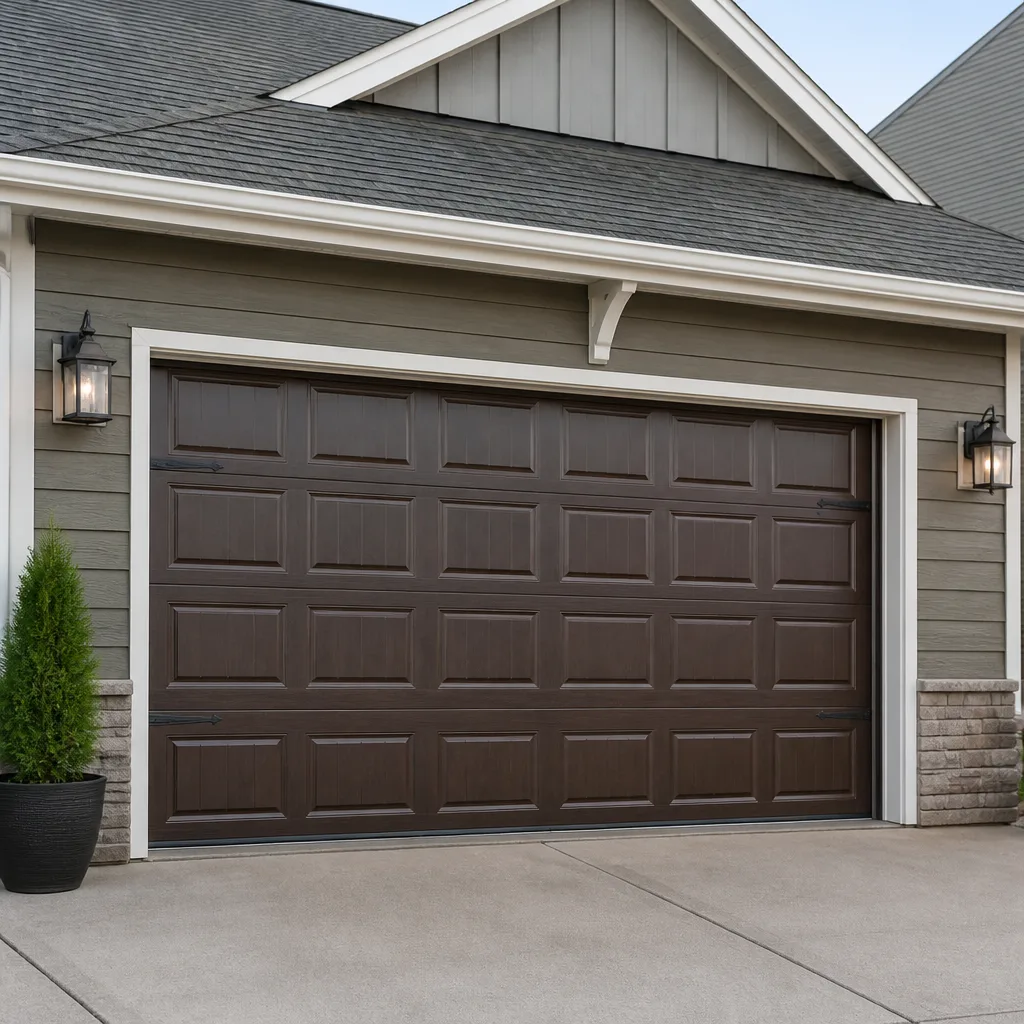 Raised-panel steel
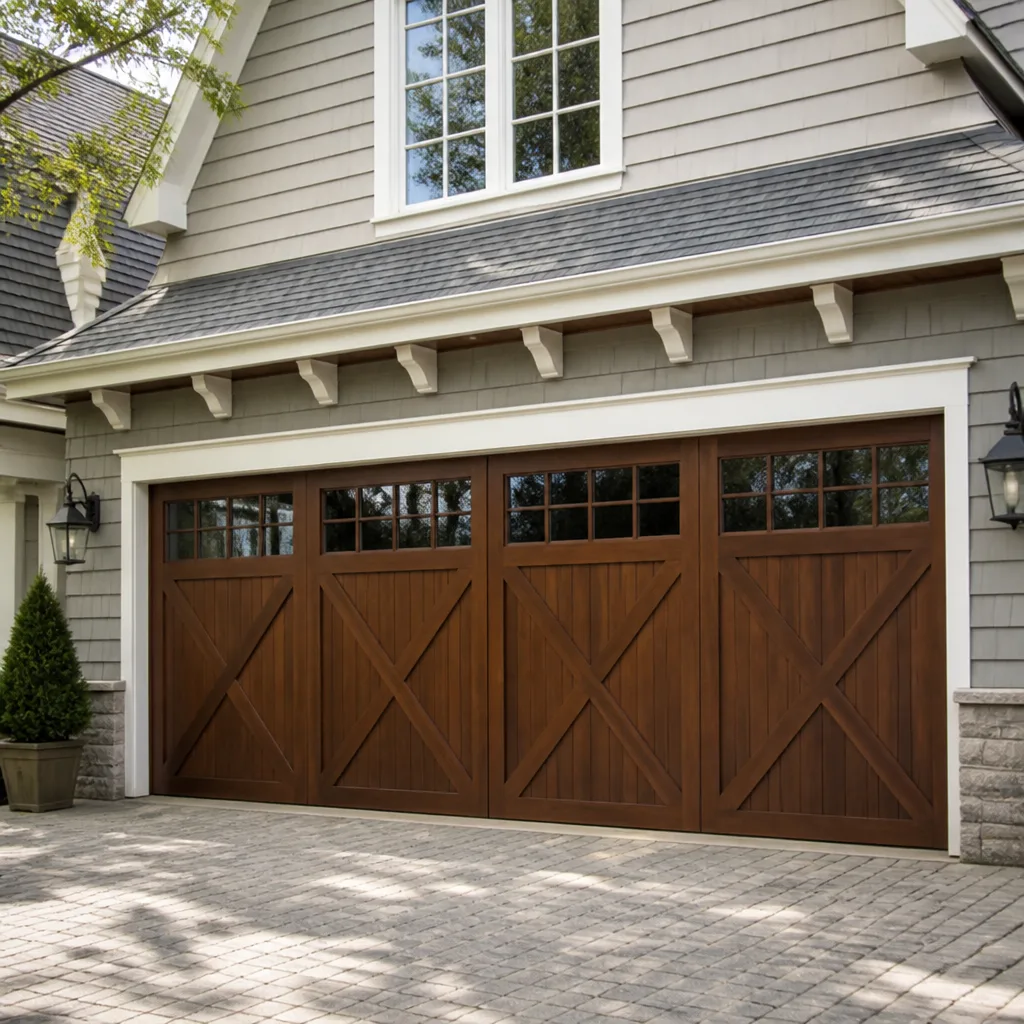 Carriage house
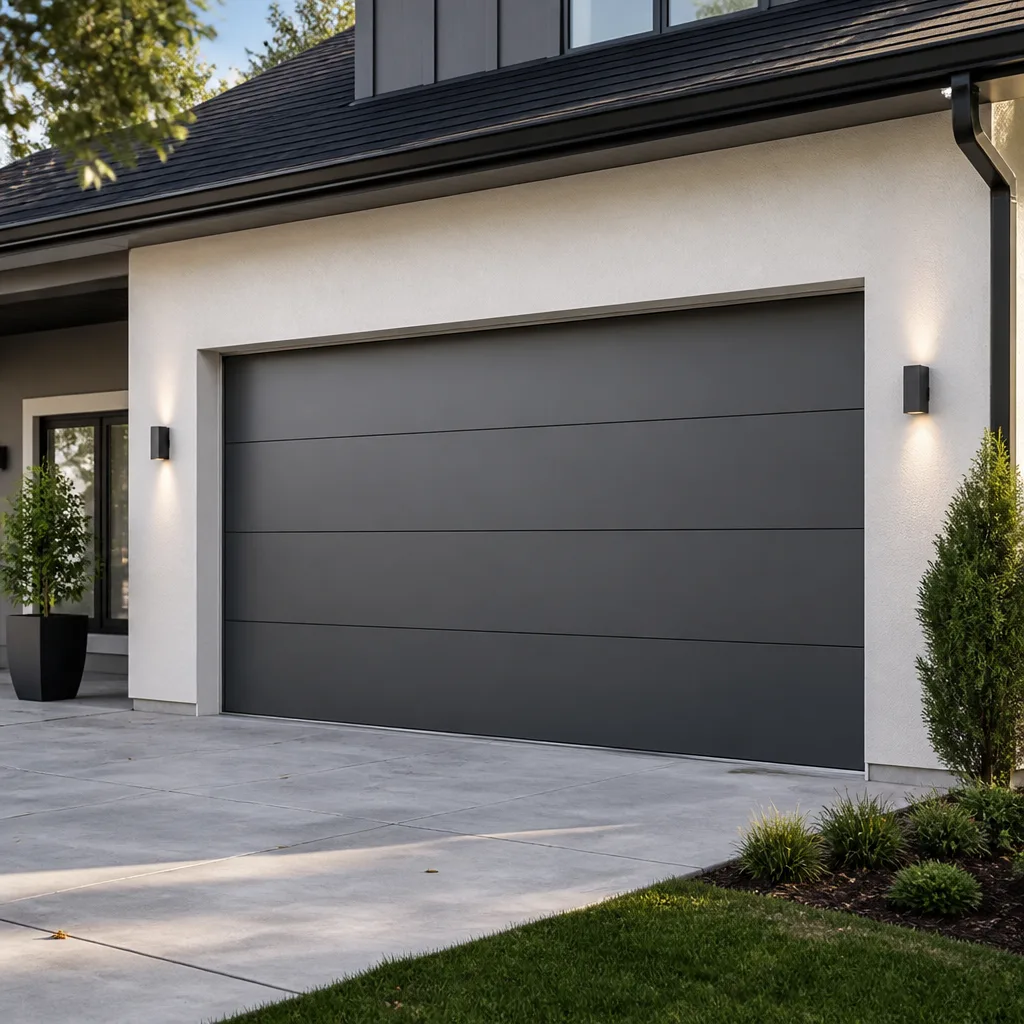 Modern flush
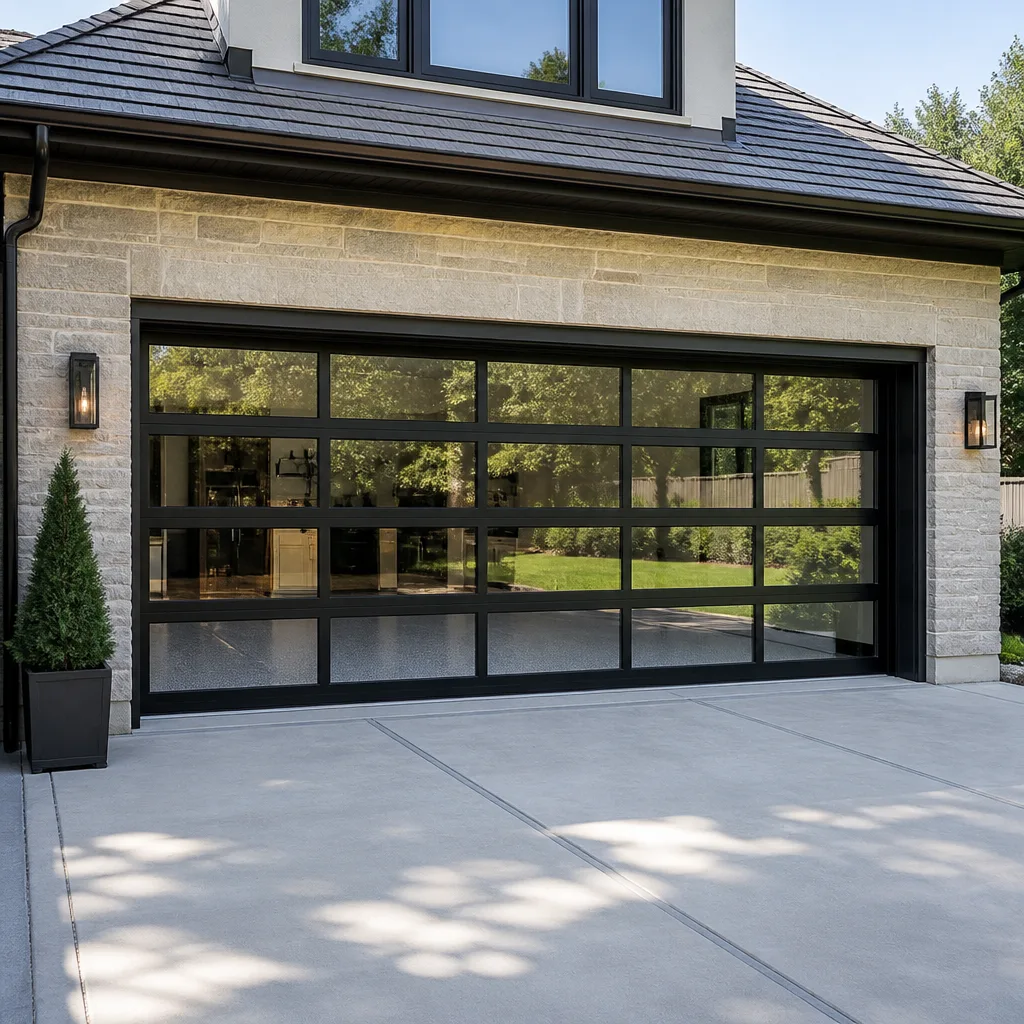 Full-view glass
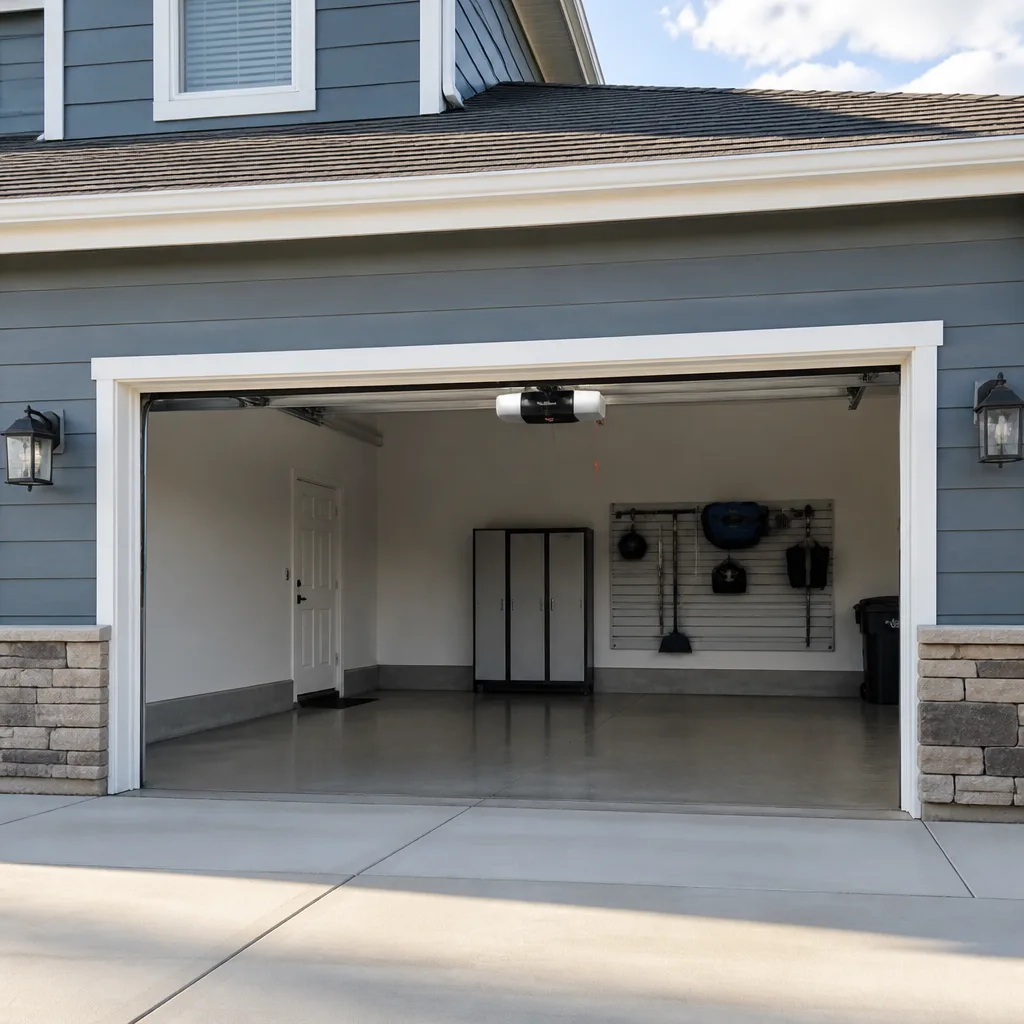 LiftMaster openers
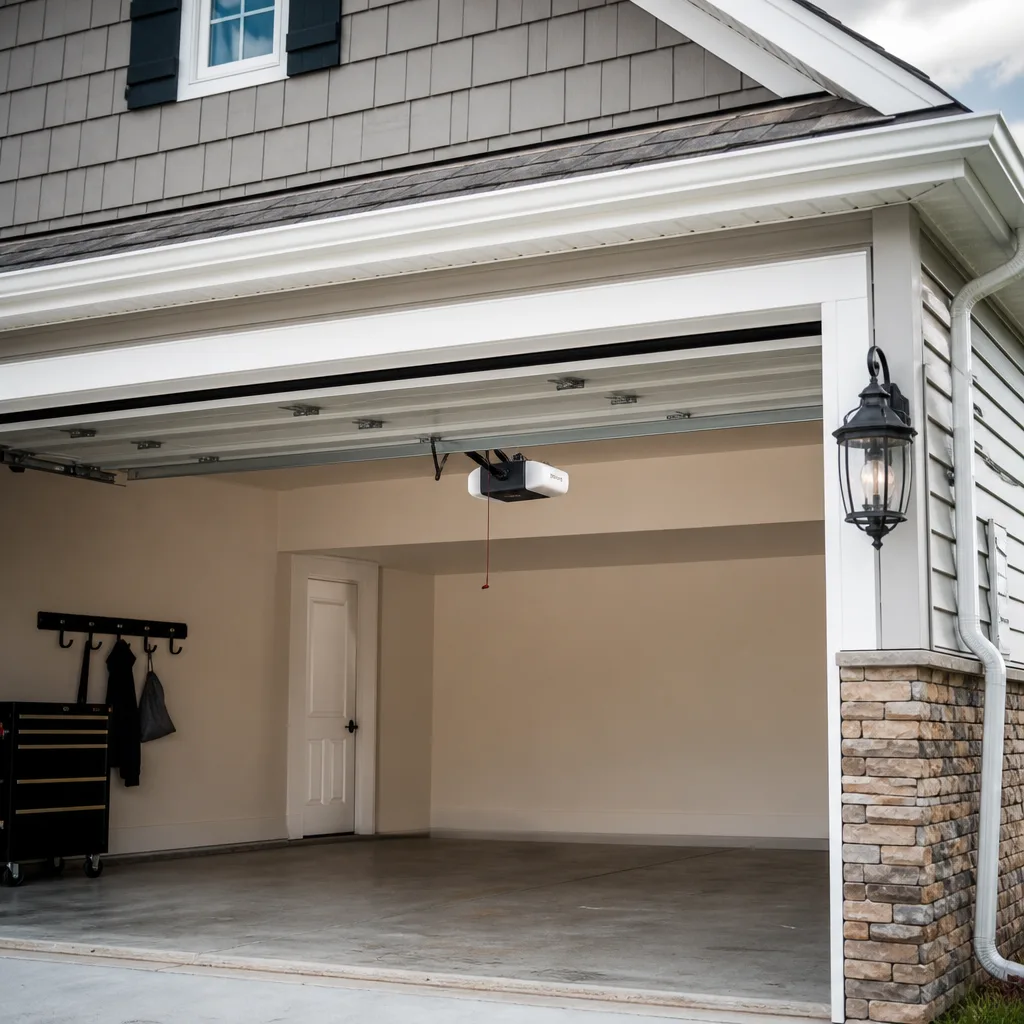 Chamberlain openers
Full 25-point door and opener safety check with every visit - springs, cables, rollers, tracks, and your LiftMaster or Chamberlain opener included
You get a price before we start. It does not change when the truck arrives.
Get your free estimateChoosing the Right Garage Door Brand: A Buyer’s Guide for Miami Beach
One of the most trusted garage door brand names in the country sells doors that are not Miami-Dade product approved in common residential widths. Homeowners who buy based on brand recognition alone end up ordering again when the inspector rejects the install. It happens more often than you’d think, and it’s an expensive lesson that no amount of national advertising can undo. This guide walks you through how to choose a garage door brand for a Miami Beach home the right way: code compliance first, material second, insulation third, and brand loyalty last. For more context, see our Complete Guide to Garage Door in Miami Beach. By the time you finish reading, you’ll know how to verify any door before you spend a dollar.
Styles & brands we work with
Quick Answer
The best garage door brand for a Miami Beach home is whichever manufacturer holds current Miami-Dade County product approval for the exact door style, size, and wind-load rating your property requires. Clopay and Amarr maintain the broadest approved product lines for coastal South Florida, while LiftMaster and Chamberlain dominate opener compatibility and battery backup performance. Verify approval status before you request a quote, and choose aluminum or aluminum-composite construction over steel for salt-air durability.
Table of Contents
- Why Miami-Dade Product Approval Matters More Than Brand Name
- How to Verify a Brand’s Approval Status Before You Buy
- Brand-by-Brand Breakdown: Who Has Real Miami Beach Coverage
- Aluminum vs. Steel: What Salt Air Does to Garage Doors in Miami Beach
- What Insulation R-Value Actually Does in South Florida
- Matching Your Door Brand with the Right Opener and Battery Backup
- Common Mistakes to Avoid
- When to Call a Professional
- Frequently Asked Questions
- The Bottom Line
Why Miami-Dade Product Approval Matters More Than Brand Name
Miami-Dade County operates the strictest building code system in the continental United States. After Hurricane Andrew flattened Homestead in 1992, the county rebuilt its code from scratch, and every structural building product now has to pass wind-load testing before it can legally be installed. Garage doors are structural openings. They get hit with the same wind-load requirements as windows and exterior doors, because when a garage door fails during a hurricane, the pressure change can lift the roof off a house.
Here’s what that means for brand selection in Miami Beach: a garage door brand can be a household name, sell hundreds of thousands of units nationally, and still have gaps in its Miami-Dade approval coverage. Maybe the company tested its 16-foot-wide doors but skipped the 9-foot-wide models. Maybe they approved their steel line in 2021 but their newer aluminum line is still pending. Maybe their approvals cover Miami-Dade wind zones but not the higher-velocity zones closer to the water in Miami Beach. None of this shows up on a brand’s marketing website. It only shows up in the county database.
We’ve walked into homes in Miami Beach where a brand-new door was sitting in the garage, still wrapped in plastic, because the homeowner ordered it online from a national retailer and the installer took one look at the label and refused to hang it. The door wasn’t approved for the home’s wind zone. The homeowner ate the shipping costs both ways. This is the single most preventable mistake in coastal garage door buying, and it costs people real money every month.
Before you compare aesthetics, before you compare prices, before you even think about insulation ratings, check the approval status. Everything else is secondary in Miami Beach.
How to Verify a Brand’s Approval Status Before You Buy
The Miami-Dade County product approval database is public, free, and searchable. It’s the same database inspectors use, and it’s the only authoritative source for whether a garage door can legally be installed at your Miami Beach address. Here’s the step-by-step process we use when we’re vetting a door for a customer:
- Go to the Miami-Dade County Product Control search portal. You’ll find it under the Building Department’s product approval section. Bookmark it. You’ll use it every time you shop for a door.
- Search by manufacturer name. Type the brand exactly as it appears on the product packaging. Some manufacturers list under parent company names, so if you search “Clopay” and get nothing, try “Clopay Building Products” or the corporate parent.
- Filter by product category. Select “garage doors” or the specific category code for sectional overhead doors. This narrows results from thousands of products to the actual door models.
- Check the approval expiration date. Miami-Dade approvals expire and have to be renewed. A door approved in 2019 might have a lapsed approval in 2025. You want a current, active approval, not a historical one.
- Verify the specific size and wind-load rating. This is the step most homeowners skip, and it’s the one that matters most. An approval might cover a 16×7 door at 175 mph but not an 18×8 door at the same wind speed. The approval document lists exact dimensions and design pressures. Match them to your opening.
- Print or save the approval document. Your installer will want to see it, and your inspector might ask for it during the final inspection. Having it on hand speeds everything up.
If any step in that process confuses you, call a local installer who works in Miami Beach regularly. We check approvals on every door we quote, because we’re the ones standing next to the inspector when the job is done. Garage Door Installation in Miami Beach is a service we provide with full code verification included as standard practice.
Brand-by-Brand Breakdown: Who Has Real Miami Beach Coverage
Here’s what we see day to day across the brands we service. This isn’t a ranking of who makes the best-looking door. It’s an honest look at who has the approval coverage and product lines that actually work in Miami Beach.
Clopay: The Broadest Approved Product Line for Coastal South Florida
Clopay maintains one of the deepest Miami-Dade approved catalogs in the residential garage door market. Their aluminum frame doors with polyurethane insulation carry approvals across common residential widths and heights, and their product engineering has historically prioritized the Florida coastal market. That focus shows in their approval documents. When a customer in Miami Beach needs a door on a home within a block of the water, Clopay is usually the first brand we check, and usually the first one with an active approval for the exact configuration.
Amarr: Strong Steel Coverage, Solid Aluminum Options
Amarr is another manufacturer with meaningful Miami-Dade approvals across their residential line. Their steel carriage house designs are popular in the single-family neighborhoods of Miami Beach, and the steel holds up if the door is properly maintained, which we’ll get to in the aluminum vs. steel section. Amarr’s approval coverage isn’t quite as deep as Clopay’s for the widest custom sizes, but for standard residential openings, they’re a solid, code-compliant choice.
Wayne Dalton: Check Every Model, Every Time
Wayne Dalton makes good doors, and some of their models carry Miami-Dade approvals. The problem is consistency. A particular Wayne Dalton model might be approved in a 16-foot width but not in a 9-foot width, or the approval might cover their 8700 series but not the 8800 series. If you buy a Wayne Dalton in Miami Beach, you have to check the approval for the exact model number and size. Generic brand trust doesn’t transfer between product lines.
Raynor: Limited Residential Coverage, Strong Commercial Presence
Raynor has historically focused more on commercial and industrial doors, and their Miami-Dade residential approval coverage reflects that. Some of their residential doors are approved for the county, but the selection is thinner than Clopay or Amarr. If you have a Raynor door on your Miami Beach home and it’s working fine, we’ll service it gladly. If you’re buying new, you’ll likely find more options with the brands that prioritize residential coastal products.
What About the Big National Names?
There are major national brands that spend heavily on advertising but have limited Miami-Dade residential approval coverage. A door that’s popular in Texas or the Midwest may never have been submitted for South Florida wind-load testing, because the testing is expensive and the manufacturer made a business calculation. That’s their prerogative. It’s also your liability if you buy one. We’re not going to list which brands fall into this category, because their approval statuses change and you should check the database regardless. Just know that national brand awareness and Miami-Dade approval are two entirely different things.
For what it’s worth, Top Notch Garage Door Repair is certified to service equipment from eight of the most widely installed garage door and opener brands on the market, including Clopay, Amarr, Wayne Dalton, and Raynor. We work on the brand you already have. For new installs, we’ll steer you toward the brands with the strongest current approvals for your specific opening.
Aluminum vs. Steel: What Salt Air Does to Garage Doors in Miami Beach
Miami Beach sits on a barrier island between Biscayne Bay and the Atlantic Ocean. The salt content in the air is relentless. It’s not a question of if a steel garage door will rust in Miami Beach. It’s a question of how fast and how badly.
Steel doors start their life with a factory finish that includes a primer and a polyurethane or polyester topcoat. That finish protects the steel until something breaks the surface: a scratch from a bicycle handlebar, a chip from a lawn tool, a abrasion from hurricane debris, or just years of salt-laden humidity working its way into the seams and screw holes. Once bare steel is exposed, the salt air does its work. The rust starts at the bottom corners, where water pools and sits. Then it moves up the stiles. Within three to five years of coastal exposure, an unmaintained steel door in Miami Beach can show visible rust blooms along the bottom edge.
Aluminum doesn’t rust. It corrodes, but the corrosion is cosmetic white oxidation rather than structural decay, and it’s far slower than steel rust. Aluminum frame doors with composite or aluminum panels are the better long-term choice for Miami Beach homes, especially within a few blocks of the ocean. The tradeoff is cost: aluminum doors typically run 20 to 30 percent more than comparable steel doors. For a home you plan to keep for a decade, that premium usually pays for itself in avoided rust repairs and a longer service life.
If you do choose steel for budget reasons, schedule a maintenance routine. Wash the door quarterly, touch up scratches immediately, and keep the bottom weather seal in good condition so water doesn’t sit against the steel. A well-maintained steel door can last in Miami Beach, but it takes active work. Aluminum is the choice for homeowners who want to set it and forget it.
The brand matters less here than the material. A mid-tier aluminum door from a manufacturer with solid Miami-Dade approvals will generally outperform a premium steel door from any brand in the Miami Beach salt-air environment. That’s a materials science fact, not a brand opinion.
What Insulation R-Value Actually Does in South Florida
Homeowners moving to Miami Beach from northern states often arrive with a mental model of insulation that doesn’t apply here. In Chicago or Minneapolis, you buy a high R-value garage door to keep heat in during winter. R-18 is a selling point when the temperature outside is ten degrees and your garage has a furnace in the corner.
Miami Beach has the opposite thermal profile. The problem isn’t keeping heat in. The problem is keeping heat out. But here’s the counterintuitive part: a high R-value garage door matters less in Miami Beach than it does up north, not more. The temperature differential between inside and outside in Miami Beach is usually ten or fifteen degrees, not fifty or seventy. A garage door with an R-value of 6 to 10 is generally sufficient for a South Florida garage that isn’t air-conditioned.
Where insulation does matter in Miami Beach:
- Noise reduction. An insulated door is noticeably quieter when it opens and closes. If your garage sits under a bedroom or adjacent to a home office, the polyurethane core cuts motor noise and panel rattle dramatically.
- Structural rigidity. An insulated door is stiffer and more resistant to wind flex. In Miami Beach wind-load requirements, a door with a solid polyurethane core can sometimes meet design pressure requirements that a hollow door cannot, which affects which models have Miami-Dade approvals at all.
- Durability. Insulated doors don’t dent as easily. A ball hit by a kid in the driveway bounces off an insulated door and puts a crease in a hollow one.
- Tropical heat management. If you use your garage as a gym, workshop, or hangout space, insulation makes the space more bearable year-round, even without air conditioning.
For an attached garage that’s only used for parking cars and storage, a mid-range R-value around 9 to 12 is the sweet spot in Miami Beach. Don’t pay a premium for R-18 unless you’re conditioning the space or you need the structural benefit for wind-load compliance. Put the savings toward better hardware, a better opener, or aluminum construction instead.
Matching Your Door Brand with the Right Opener and Battery Backup
Brand selection doesn’t stop with the door panel. The opener you choose has to work with the door’s weight, balance, and mounting configuration, and not all brand ecosystems play equally well together. We repair openers from LiftMaster, Chamberlain, Genie, and Craftsman regularly, and we’ve seen the compatibility issues that come up in Miami Beach homes.
The first question is door weight. A solid wood door or a heavy insulated steel door needs an opener with enough horsepower to lift it without straining. Most modern openers handle standard residential weights at 1/2 or 3/4 horsepower. But if you’re installing a carriage house door, a full-view aluminum door with glass panels, or an oversized door, the opener has to be sized accordingly. An undersized opener burns out the motor and strips gears. We see it on older Miami Beach homes where owners replace a heavy original door with an even heavier custom door and keep the same opener.
The second question is smart features. LiftMaster and Chamberlain dominate the smart opener category with their MyQ platform, which allows remote operation and monitoring from a phone. Genie offers its own Aladdin Connect system. If smart home integration matters to you, the opener brand matters more than the door brand. The door itself is brand-agnostic; any properly balanced door works with any properly sized opener.
The third question, and the one that’s uniquely relevant to Miami Beach, is battery backup. Miami Beach loses power during hurricanes and thunderstorms with regularity. An opener with a battery backup keeps the garage door operational when the grid goes down. This isn’t a luxury in a hurricane zone. It’s the difference between getting your car out when you need to evacuate and being stuck with a dead opener and a door you can’t lift manually. LiftMaster and Chamberlain lead the market in integrated battery backup systems across their higher-end models. Genie offers battery backup on select units. If you’re buying in Miami Beach, buy an opener with battery backup. Period.
If you already have an opener and it’s struggling, don’t assume you need a new one. Garage Door Opener Repair in Miami Beach is available from our team, and we fix LiftMaster, Chamberlain, Genie, and Craftsman units every week. A repair is often a fraction of the cost of replacement, and we’ll tell you honestly if the unit has life left in it.
Common Mistakes to Avoid
- Buying on brand recognition without checking Miami-Dade approval. National advertising budgets have nothing to do with code compliance. A door that’s unapproved in Miami Beach has to be returned or replaced, and the shipping costs are yours to eat.
- Choosing steel for a home within three blocks of the ocean. Salt air wins in the long run. Aluminum or aluminum-composite construction costs more upfront and lasts significantly longer in Miami Beach’s coastal environment. The math favors aluminum on a ten-year horizon.
- Overspending on insulation for an unconditioned garage. R-18 is overkill for a Miami Beach garage that’s just parking cars. An R-value of 9 to 12 delivers the structural and noise benefits without the premium price tag.
- Skipping a manual balance check before replacing the opener. Openers often fail because the door itself is out of balance and overworking the motor. Replacing the opener without fixing the balance burns through the new unit’s lifespan early. This is one of the most common repairs we see in Miami Beach.
- Not getting a site measurement before ordering a custom door. Track radius, headroom, side room, and opening squareness all vary from home to home. A door ordered off a rough measurement might not fit the track configuration. Measure twice, order once, and let your installer verify.
- Assuming all model lines from a brand have the same approval status. A brand’s flagship model might be Miami-Dade approved while its budget line is not. Model-specific verification is the only reliable approach.
- Handling a garage door repair alone after a hurricane. Storm-damaged doors often have compromised springs or bent tracks, and high-tension springs are dangerous to work on without training and the right tools. We strongly recommend professional service for any post-storm repair.
When to Call a Professional
Garage door springs are under extreme tension and can cause serious injury if they release unexpectedly. That’s not a DIY project in any market, and it’s certainly not one in Miami Beach after a storm when doors are misaligned and cables are frayed. If your door won’t open, makes a loud bang, has visible cable damage, or sits crooked in the opening, leave it alone and call a professional. The same goes for any door that was exposed to hurricane-force winds; structural damage isn’t always visible from the outside.
If you’re shopping for a new door, a local installer can verify Miami-Dade approval, measure your opening, check your track configuration, and match the door to the right opener, all before you spend a dollar. Top Notch Garage Door Repair offers free estimates in Miami Beach. Call (855) 754-6010 and we’ll walk you through the approval check, material options, and a written price.
Frequently Asked Questions
The best garage door brand for Miami Beach is whichever manufacturer holds a current Miami-Dade product approval for your specific door size and wind-load zone, with Clopay and Amarr offering the broadest residential approval coverage in our experience. Aluminum doors from either brand perform better than steel in the salt-air environment along the coast. Call (855) 754-6010 and we’ll check the approval database for your exact opening before you buy anything.
Yes, garage doors in Miami Beach must meet Miami-Dade County wind-load requirements, which is a stricter standard than the Florida Building Code applied in most of the state. The approval covers the door’s structural ability to withstand design wind pressures for your specific address and wind zone, and your inspector will verify the approval document during the final inspection.
An insulated garage door with an R-value of 9 to 12 is worth it in South Florida for structural rigidity and noise reduction, but spending extra for R-18 or higher is unnecessary unless your garage is air-conditioned. The thermal benefit is secondary in Miami Beach’s climate; the stiffness and durability benefits are the real value.
No, you cannot install any garage door brand in Miami Beach. The door must have a current, active Miami-Dade product approval for the exact size and wind-load rating of your opening. Unapproved doors will fail inspection and typically cannot be returned once shipped, so verification is a mandatory step before ordering.
An aluminum garage door in Miami Beach typically lasts 15 to 20 years with standard maintenance, while a steel door near the coast often shows rust damage within 3 to 5 years if not diligently maintained. Salt air is the determining factor, and it favors aluminum construction regardless of brand. For a full assessment of an aging door, Garage Door Repair in Miami Beach is available from our team.
No, you don’t always need to replace your garage door opener when you replace the door. If the existing opener is sized correctly for the new door’s weight and has functional safety features, it can often be kept. We’ll assess the opener during the installation estimate and recommend replacement only if the unit is undersized or showing signs of failure.
The Bottom Line
Choosing a garage door brand for a Miami Beach home is a code compliance decision before it’s a design decision. Check the Miami-Dade approval database for the exact size and model you’re considering. Favor aluminum over steel for salt-air longevity. Buy the insulation level that matches how you actually use the garage, not the highest number on the spec sheet. Match the opener to the door’s weight and insist on battery backup for hurricane season. And if any of this feels like more homework than you want to do, that’s what we’re here for. Top Notch Garage Door Repair works on the brand you already have and installs the brands that perform in Miami Beach. We’ll check the approvals, measure the opening, and give you a written price before any work starts. Call (855) 754-6010 for a free estimate.
Written by the team at Top Notch Garage Door Repair, serving Miami Beach since 2014. Browse our more guides & resources for Miami Beach homeowners.
See the difference
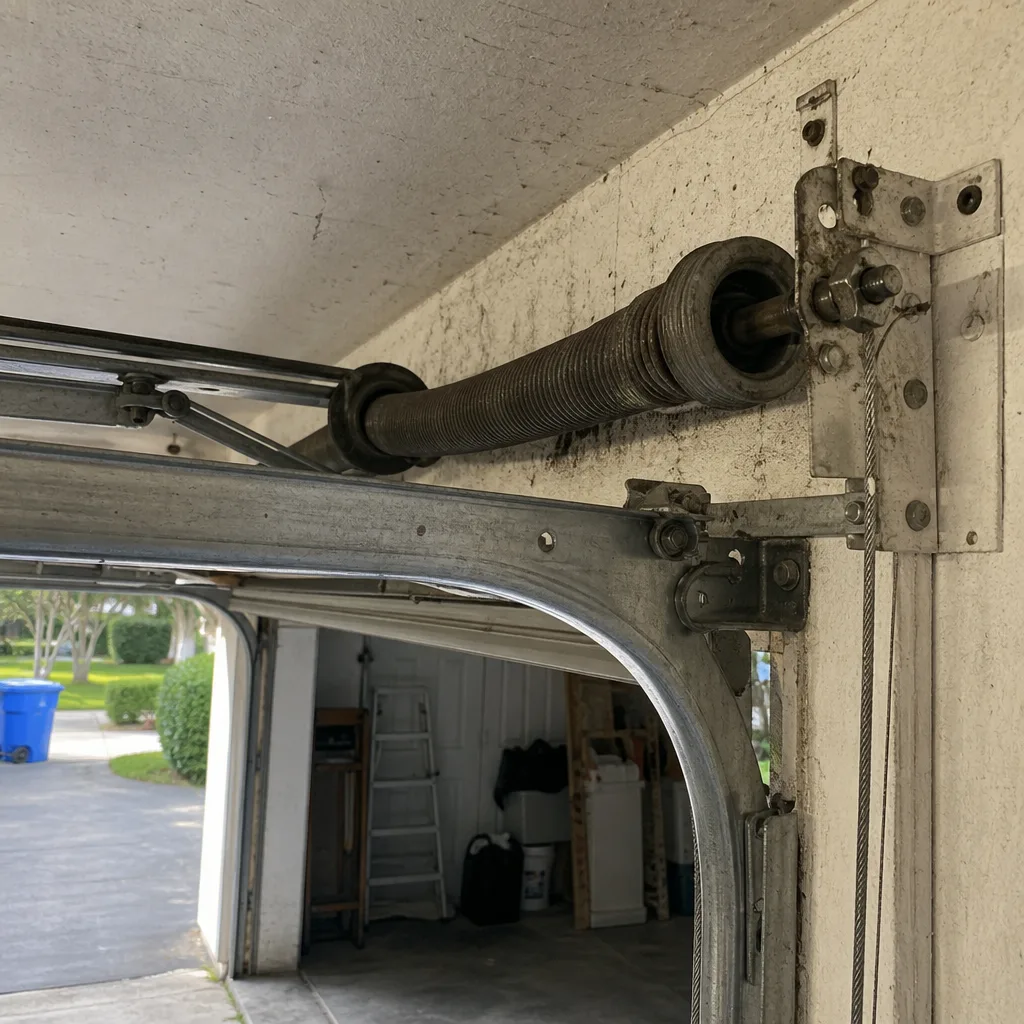 Before
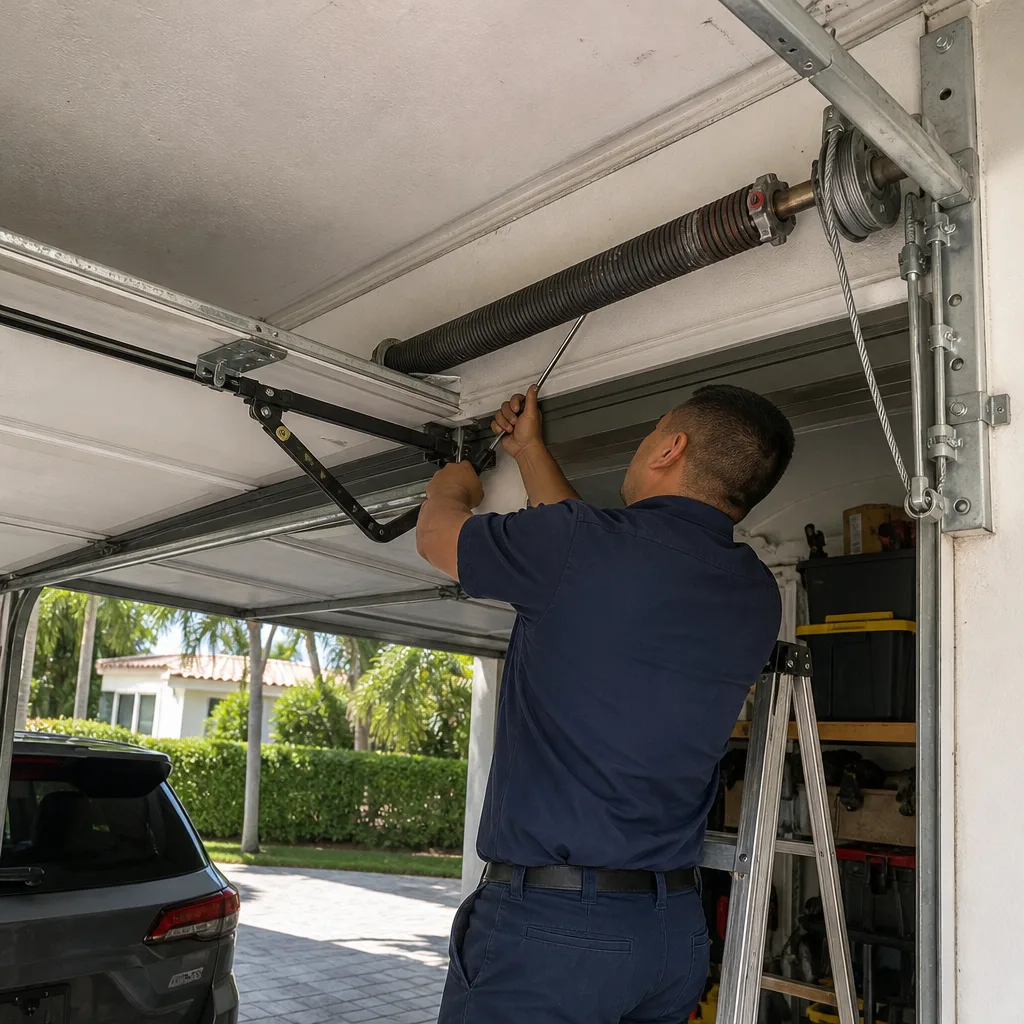 After
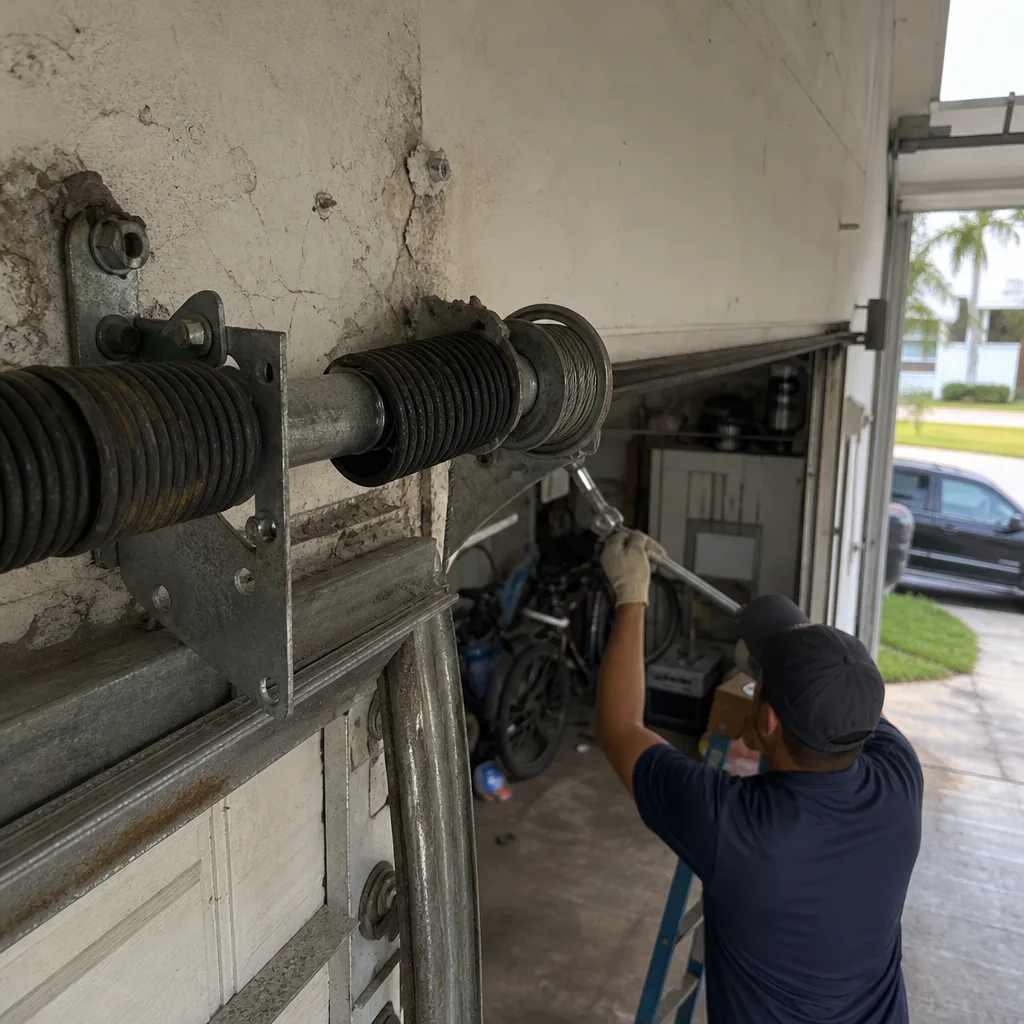 Before
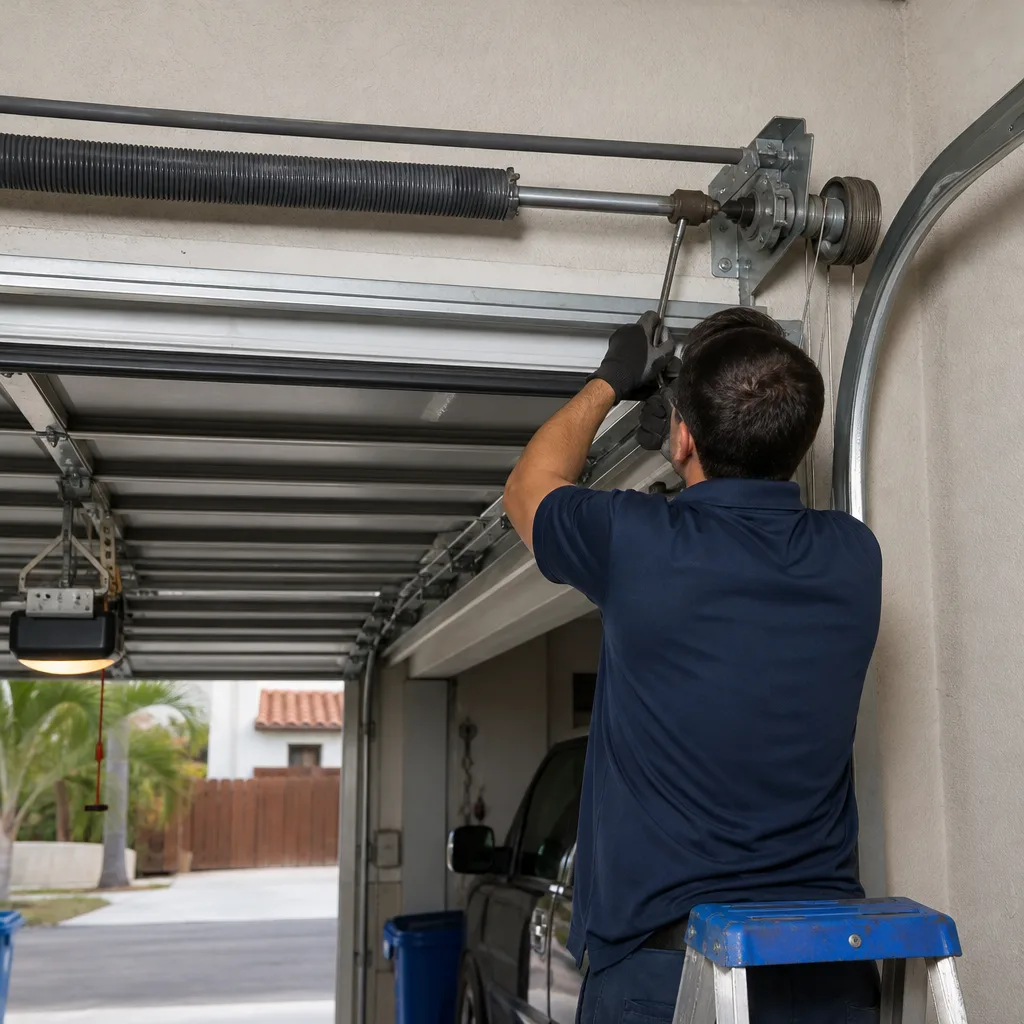 After
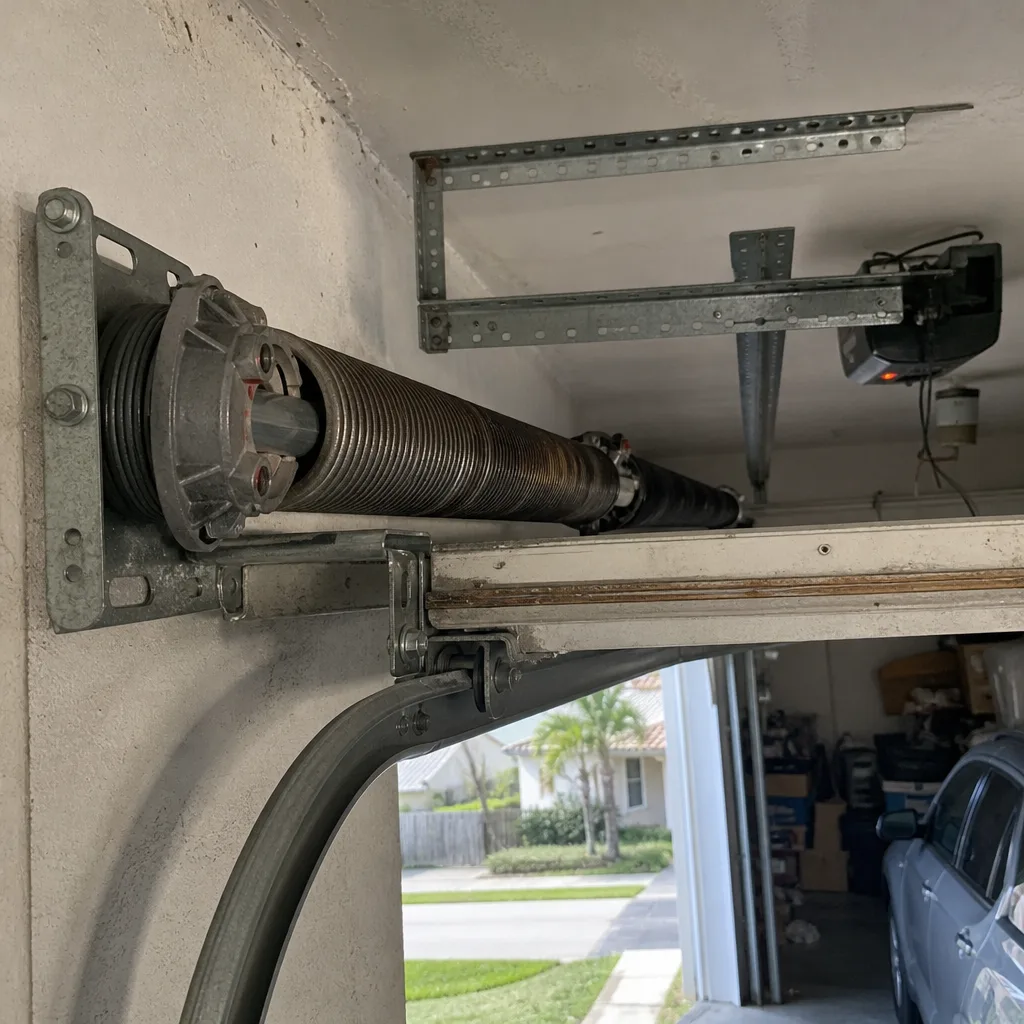 Before
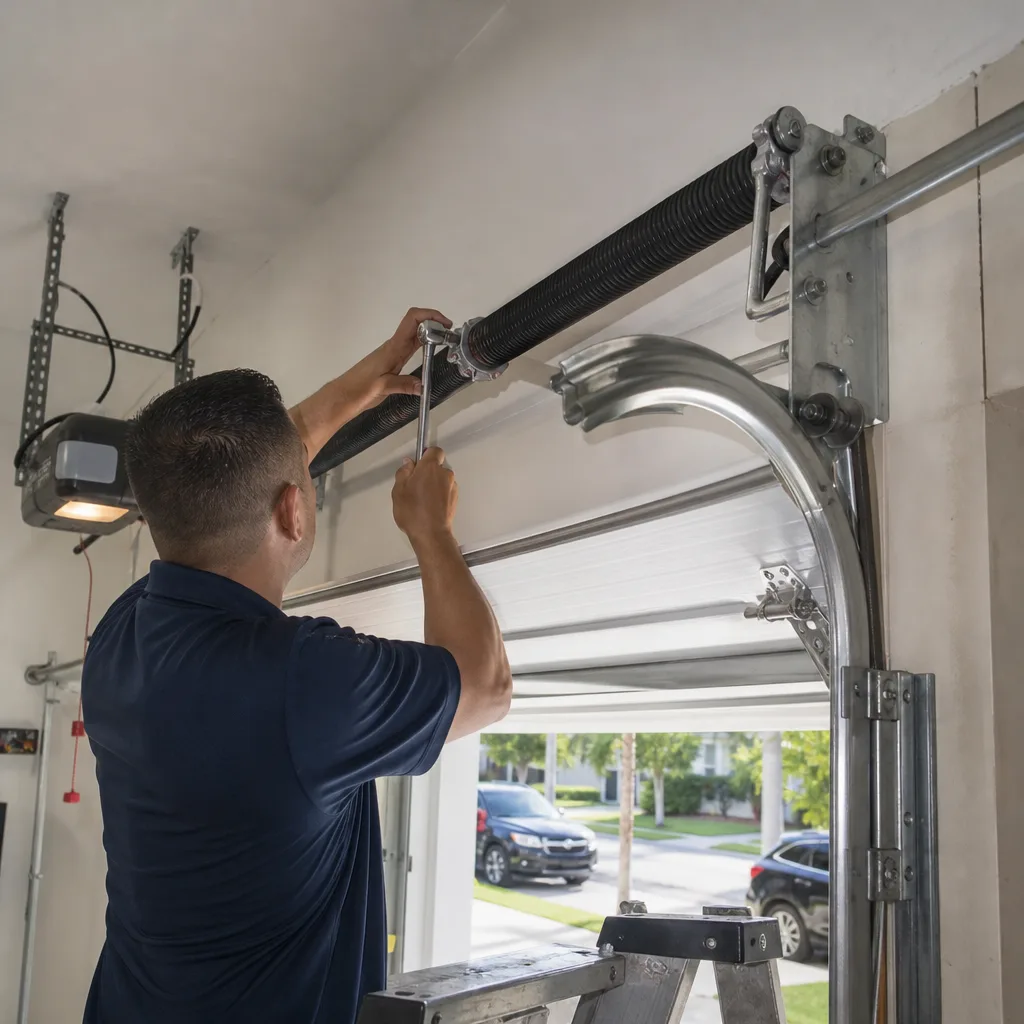 After