
Last updated October 30, 2026
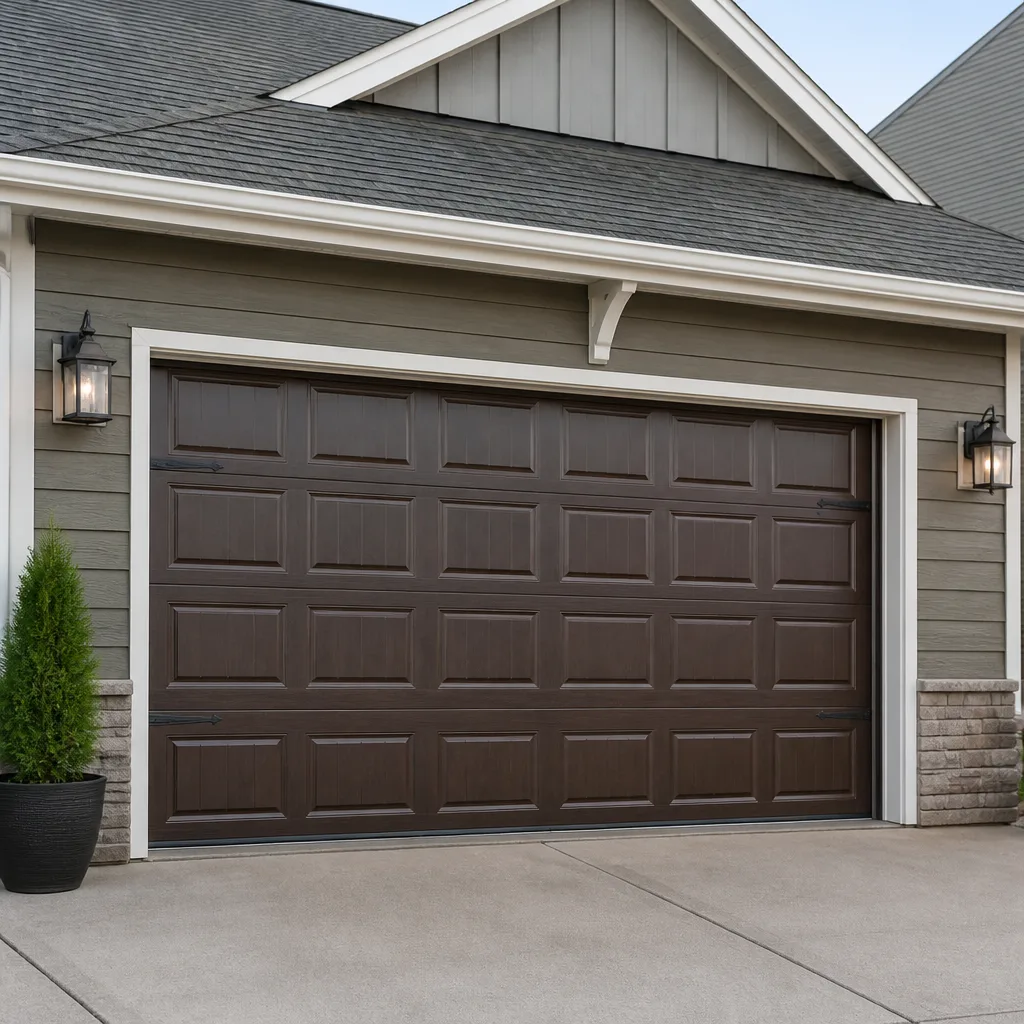 Raised-panel steel
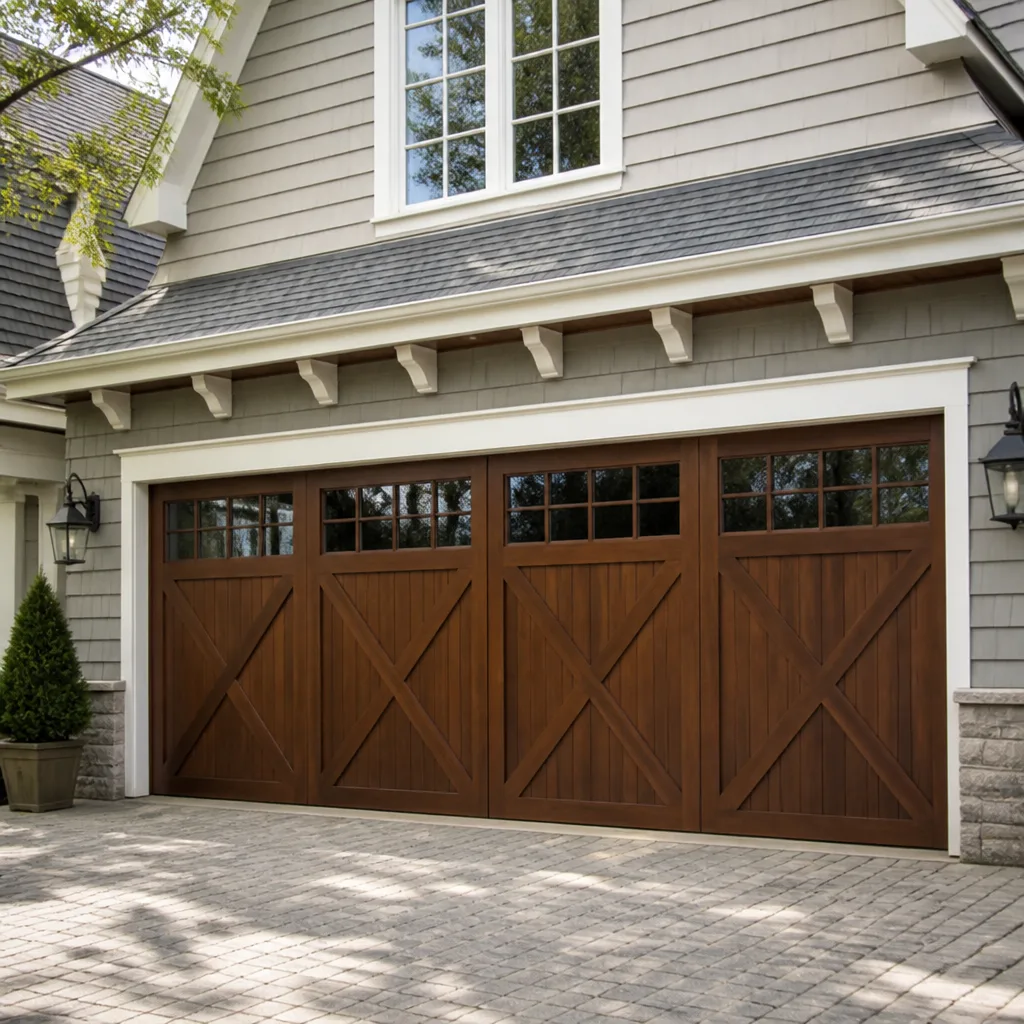 Carriage house
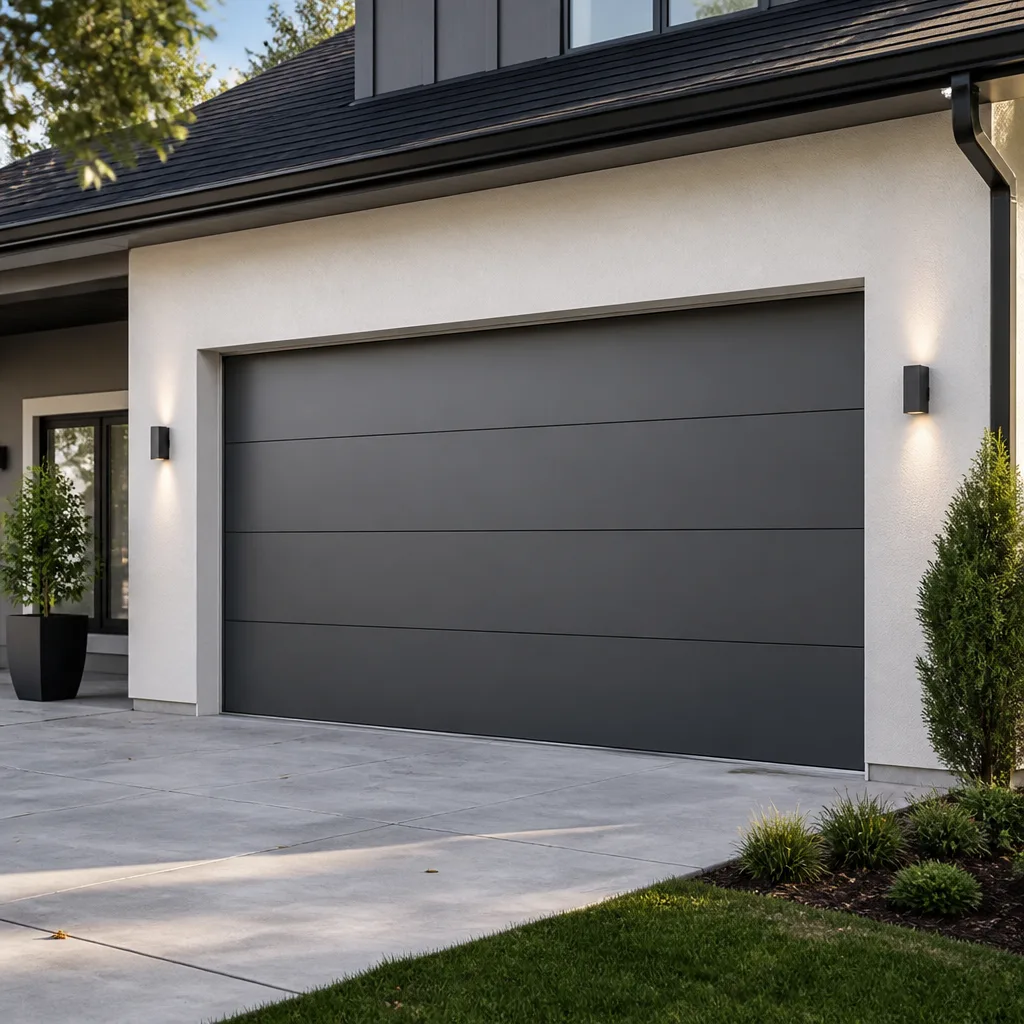 Modern flush
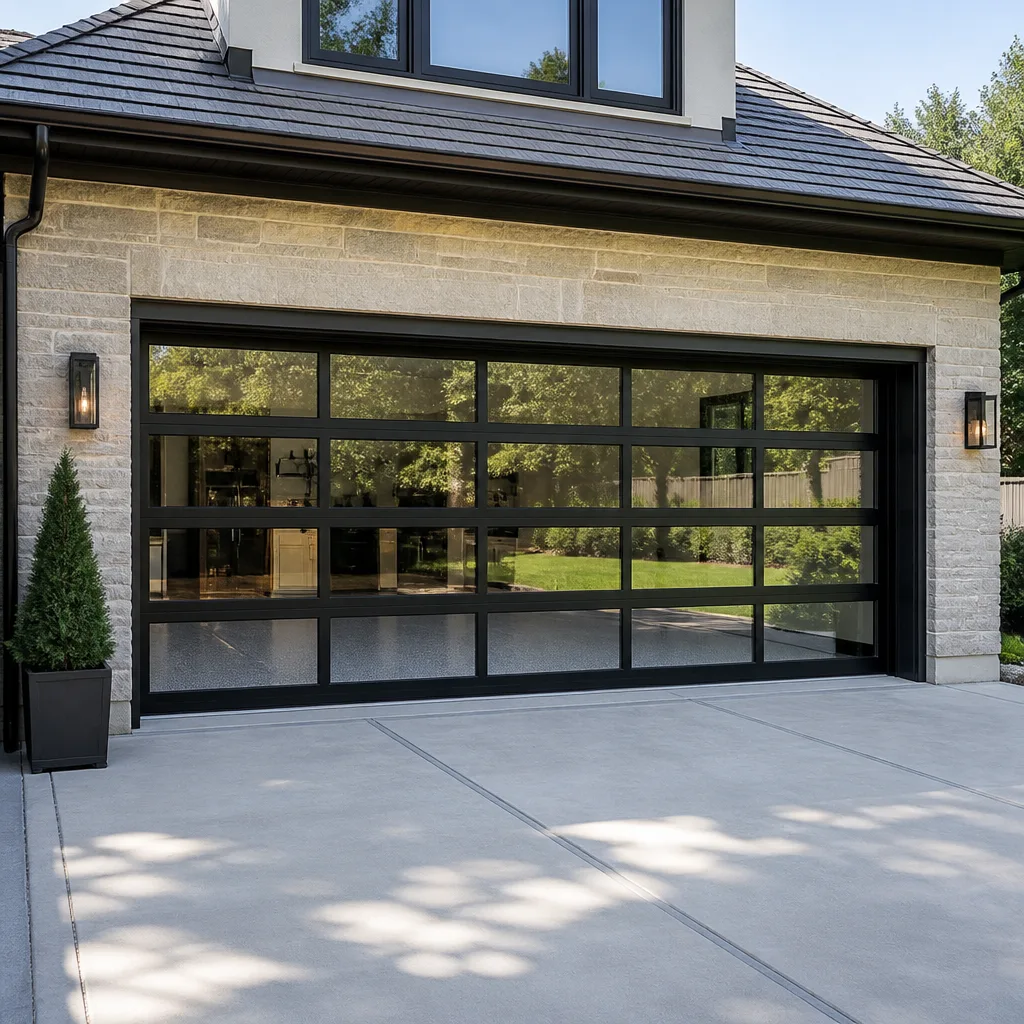 Full-view glass
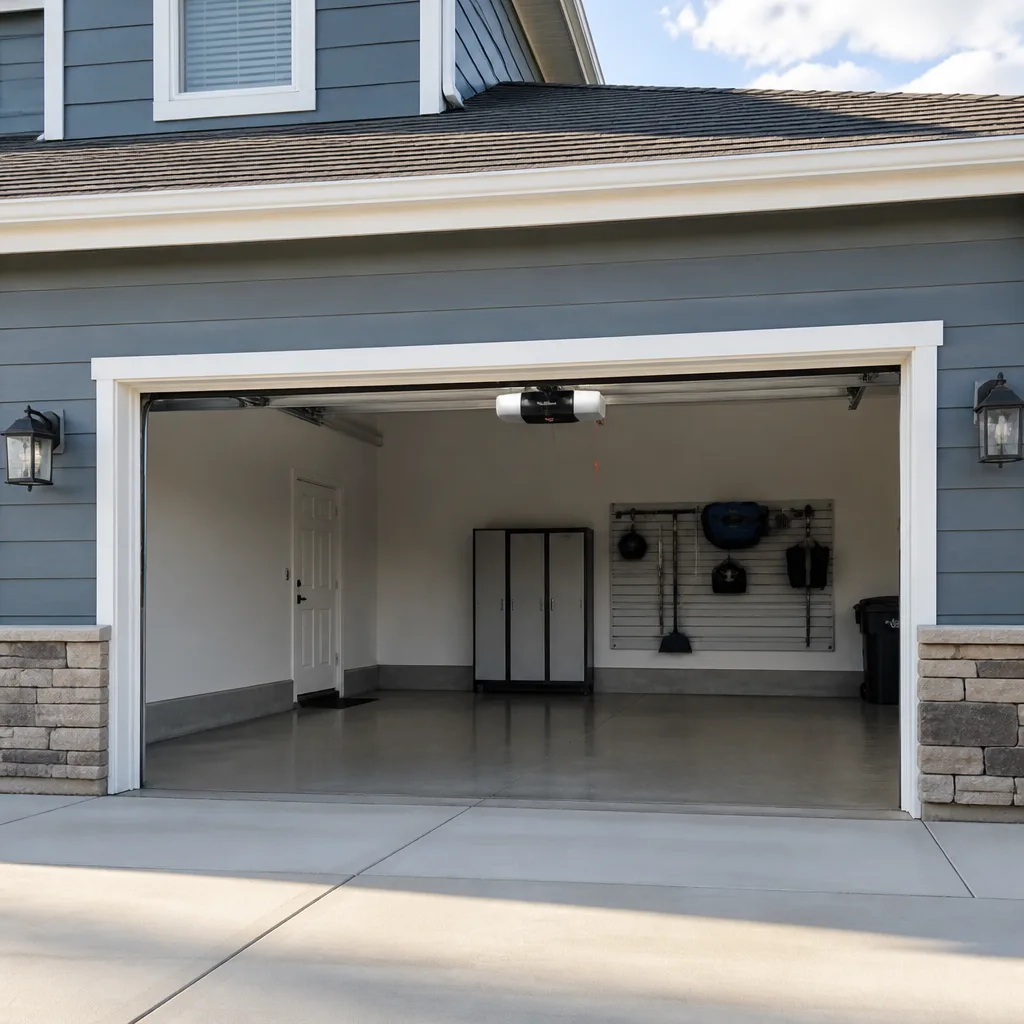 LiftMaster openers
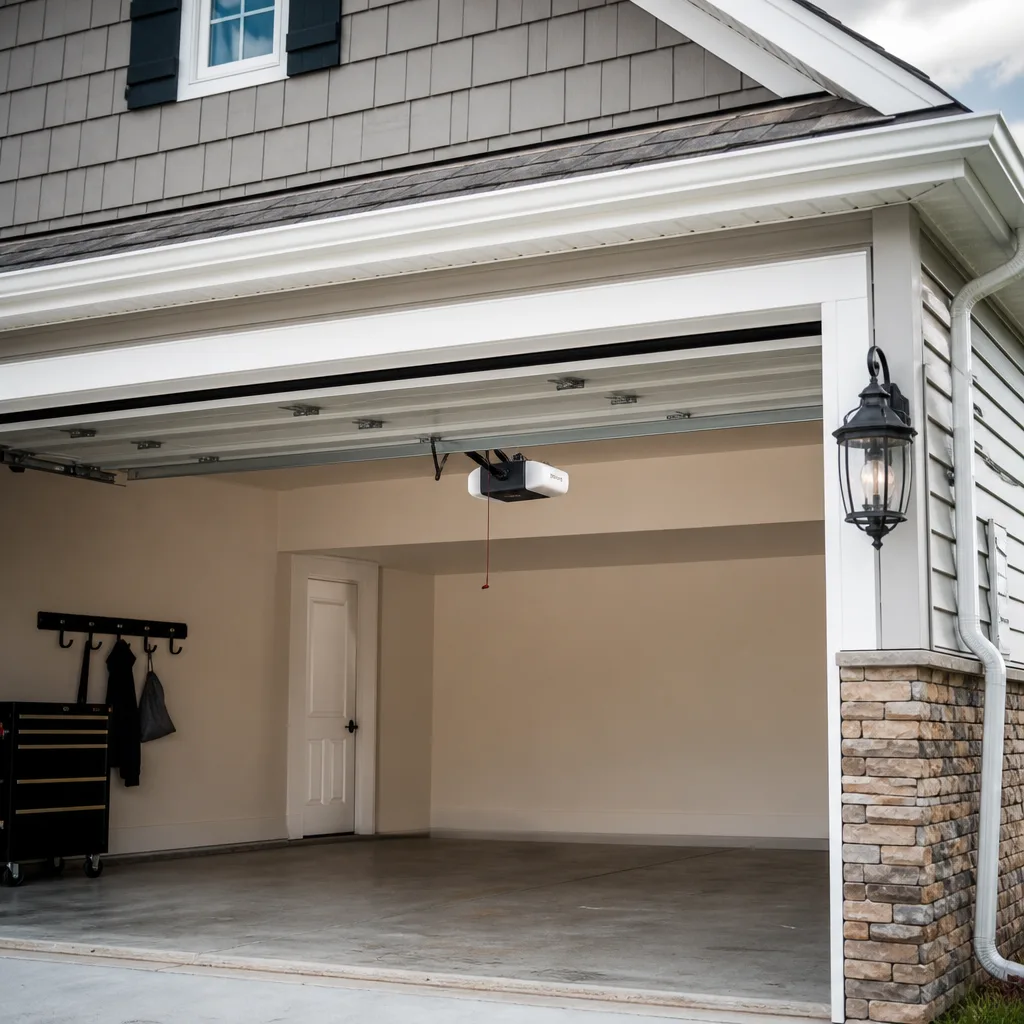 Chamberlain openers
Full 25-point door and opener safety check with every visit - springs, cables, rollers, tracks, and your LiftMaster or Chamberlain opener included
You get a price before we start. It does not change when the truck arrives.
Get your free estimateThe Complete Garage Door Repair Guide for Miami Beach Homeowners
Most garage door parts are rated for dry, temperate climates. Miami Beach averages 76% relative humidity year-round, and that single number means the lifespan estimates printed on your spring, cable, and track hardware were never accurate for your home. What lasts twelve years in Orlando might fail in seven on the barrier island. This guide explains what actually breaks, when it breaks, why coastal conditions accelerate every failure mode, and how to make repair decisions that account for salt air, hurricane wind loads, and Miami-Dade building code. For a deeper dive, see The Complete Guide to Garage Door in Miami Beach. If you own a garage door in Miami Beach, this is the repair guide written for your actual environment, not a generic copy-paste from a national template.
Styles & brands we work with
Quick Answer
Garage door repair in Miami Beach typically costs between $150 and $450 for common fixes like spring replacement, cable repair, and track realignment, with full door replacement ranging from $1,200 to $4,000 depending on wind-load rating and material. The most frequent repairs we handle in this coastal market are torsion spring failures, corroded cables, and bottom seal deterioration, all of which happen faster here than manufacturer timelines predict. Most spring and cable jobs are completed in a single visit through our Garage Door Repair services.
Table of Contents
- Why Salt Air Kills Garage Door Parts Faster in Miami Beach
- The 5 Most Common Garage Door Problems We See in Miami Beach
- The Seasonal Repair Calendar: When Things Break and Why
- Hurricane Preparedness as a Garage Door Repair Issue
- The Miami-Dade Permit Reality: What Actually Requires a Permit
- Repair vs. Replace: A Coastal Decision Framework
- Maintenance That Actually Slows Coastal Corrosion
- Common Mistakes to Avoid
- When to Call a Professional
- Frequently Asked Questions
- The Bottom Line
Why Salt Air Kills Garage Door Parts Faster in Miami Beach
Oceanfront and intracoastal properties in Miami Beach sit inside a salt-spray zone that reaches roughly a quarter mile inland, though measurable chloride deposition extends further on windy days. That airborne salt settles on every metal component of your garage door system. When combined with 70-plus percent humidity, it creates a thin saline film that accelerates galvanic corrosion, the same process that eats boat fittings and beachside AC condensers.
What this means in practical terms:
- Torsion springs develop micro-pitting on the coil surface. Pitting concentrates stress, and a pitted spring snaps at the pit, not at the center of the coil. A spring rated for 10,000 cycles in Chicago may fail at 6,000 to 7,000 cycles on Miami Beach.
- Lift cables are stranded steel, and salt intrusion between strands causes internal fraying you cannot see from the outside. By the time a cable looks frayed, it may already be at 40 to 50 percent of its original breaking strength.
- Bottom seals absorb salt, sand, and UV in equal measure. A neoprene seal that lasts five years in Denver bakes brittle here in three, and once it cracks, driven rain and salt spray enter the garage.
- Track hardware accumulates salt crust at the roller contact points. That crust acts like sandpaper against nylon rollers, increasing rolling resistance and load on the opener motor.
Material selection matters more in Miami Beach than in any other Florida market. Galvanized steel tracks hold up better than powder-coated steel in coastal exposure. Marine-grade fasteners are worth the additional cost on any driveway-facing installation. And when we repair a door near the water, we recommend components matched to the environment, not just the cheapest available replacement. That is the difference between a repair that lasts two years and one that lasts eight.
For a full breakdown of what repair work costs in this market, see our detailed Garage Door Repair in Miami Beach service page.
The 5 Most Common Garage Door Problems We See in Miami Beach
Every market has its failure patterns. In Miami Beach, the humidity and salt load reshuffle the deck. Here are the five problems we encounter most often on service calls across South Beach, Mid-Beach, and North Beach, in order of frequency.
1. Broken Torsion Springs
This is the number one repair call in every market, but in Miami Beach the failure curve shifts earlier. Most residential torsion springs are rated for 10,000 cycles, and a two-car household opening the door four times a day burns through that rating in about seven years. Coastal corrosion shaves one to three years off that timeline. The telltale sign is a loud snap that sounds like a gunshot, followed by a door that will not lift.
Spring replacement is not a DIY job. High-tension torsion springs store enough energy to cause serious injury if mishandled. A trained professional with the correct winding bars and replacement coils should always perform this repair.
2. Corroded Lift Cables
Cables on Miami Beach doors fail silently. Unlike springs, which announce themselves, a corroding cable can look serviceable until the day it parts. When a cable fails on one side, the door jams crooked in the track, and continued operation bends the track itself. If you see red rust staining on a cable or broken wire strands near the bottom bracket, do not operate the door. Call for repair before the failure compounds.
3. Bottom Seal Deterioration
Miami Beach experiences heavy afternoon downpours from May through October. A cracked or shrunken bottom seal admits water, salt spray, insects, and in some neighborhoods, the occasional lizard or snake. Replacing a bottom seal is inexpensive, typically well under $100 in parts, and it protects everything in the garage from humidity damage.
4. Opener Failure from Humidity Condensation
Garage door openers are sensitive to moisture. In Miami Beach, the temperature swing between a hot garage and a cool ocean breeze can create condensation inside the opener housing, particularly in non-insulated garages. This causes circuit board corrosion, gear wear, and sensor drift. Chamberlain and Genie openers dominate this market, and both have known humidity-related failure modes that a specialist can diagnose quickly.
For more on opener-specific repairs, visit our Garage Door Opener Repair in Miami Beach page.
5. Track Misalignment After Salt Swell
Coastal moisture causes wood jambs to swell and fasteners to rust, pushing tracks subtly out of alignment. A door that was perfectly aligned at installation can develop a bind within two years near the ocean. Symptoms include scraping noises, uneven movement, and increased opener strain. Realignment is often a straightforward adjustment, but catching it early prevents roller and hinge wear.
The Seasonal Repair Calendar: When Things Break and Why
Miami Beach has two seasons: hot and wet, and warm and less wet. Each produces its own repair spike, and understanding the pattern helps homeowners schedule preventive work before the rush.
October to December: Post-Rainy Season Spring Failures
The rainy season from May through October subjects springs to daily humidity cycles: heating, cooling, condensing, and re-drying. Each cycle stresses the steel at the microscopic level. When the first cool fronts arrive in late October and the air dries out, springs that have been quietly degrading for six months finally snap. November is consistently one of our busiest months for spring replacement in Miami Beach.
Get ahead: Schedule a spring inspection in September, before the failure wave hits.
January to March: Dry-Season Cable and Track Work
Winter in Miami Beach is the dry season, and salt residue left by evaporated summer rain becomes more visible. This is when homeowners notice rust staining on cables and track brackets. Dry-season jobs are often scheduled rather than emergency-driven, which is why it is the best window for multi-part preventive repair.
April to June: Pre-Hurricane Wind-Rating Upgrades
As hurricane season approaches, demand for wind-rated doors and reinforcement hardware climbs. Miami Beach residents who discovered during the previous storm that their existing door flexes or leaks will schedule retrofits in the spring. Smart homeowners handle this before the June inventory squeeze.
Year-Round: Bottom Seal and Weatherstripping
UV and salt degrade seals continuously. There is no seasonal window for this failure mode; it is simply a function of exposure hours. We recommend checking the bottom seal every six months for cracks, shrinkage, and compression set.
Hurricane Preparedness as a Garage Door Repair Issue
Your garage door is the largest opening in your home, and under hurricane wind loading, it is frequently the first structural element to fail. When the garage door breaches during a storm, the pressure differential can lift the roof. This is not theoretical: post-storm engineering assessments after Hurricane Andrew and Hurricane Irma consistently identified garage door failure as a primary contributor to structural roof loss. Miami Beach homeowners should treat the garage door as part of their wind mitigation strategy, not as an accessory.
What Wind-Rated Hardware Actually Means
In Miami-Dade County, new garage doors must meet High-Velocity Hurricane Zone (HVHZ) standards, which include:
- Impact resistance: The door must withstand a 9-pound 2×4 projectile launched at 34 mph without puncturing. This is the “large missile” test.
- Wind pressure rating: Doors are rated to withstand design wind pressures that vary by location on the barrier island. Doors closer to the ocean face higher design pressures.
- Reinforced track and hardware: Wind-rated installations use heavier gauge tracks, stronger rollers, and additional jamb brackets to transfer wind loads into the building frame.
How to Inspect After a Storm
After a significant storm, perform a visual assessment before operating the door:
- Check the track alignment. Look for any visible bowing, pulled fasteners, or gaps between the jamb and the track.
- Look at the panels. Impact-rated doors can take a hit and survive, but the panel may be dented or delaminated. Any puncture compromises the wind rating.
- Examine every hinge and bracket. Wind fatigue cracks metal. A cracked hinge under load will fail catastrophically on the next windy day.
- Run the door once. Listen for grinding, popping, or uneven movement. Any abnormality warrants a professional inspection before the next storm.
The Non-Compliant “Repaired” Door Problem
Here is a hard truth about the Miami Beach market: many garage doors on older homes were installed before current HVHZ requirements, and some “repaired” doors remain non-compliant because the previous repair only addressed the immediate mechanical failure. Replacing a broken spring on a door that lacks wind-rated hardware may restore function, but it does nothing for wind resistance. If your home was built before 2000 and the garage door has not been replaced since, it is worth confirming whether the door itself meets current Miami-Dade code.
When we install doors in Miami Beach, we match wind-rating requirements to the specific property’s location and exposure. For new door options, see our Garage Door Installation in Miami Beach page.
The Miami-Dade Permit Reality: What Actually Requires a Permit
Miami-Dade County has some of the strictest building code enforcement in the country, and Miami Beach adds its own layer on top. Understanding what does and does not require a permit can save you from fines, insurance complications, and problems at resale.
Repairs That Generally Do Not Require a Permit
- Spring replacement (torsion or extension)
- Cable replacement
- Opener repair and replacement
- Roller, hinge, and bracket replacement
- Bottom seal and weatherstripping replacement
- Track realignment without structural modification
Work That Does Require a Permit
- New door installation: Any full garage door replacement in Miami-Dade County requires a permit with drawings sealed by a Florida-licensed engineer or architect, specifically because of HVHZ wind-load requirements.
- Structural modification: If the door opening size changes, the header is modified, or the jamb configuration is altered, a permit is mandatory.
- Impact upgrade retrofit: Installing impact-rated glazing or adding a wind-rated door to a structure that previously had a non-rated door triggers permit review.
Permit fees for garage door replacement in Miami Beach typically run between $150 and $300 depending on the job scope, and inspections are scheduled through the Miami Beach Building Department. A licensed contractor handles this paperwork as part of the installation. If a contractor tells you a full door replacement does not need a permit in Miami Beach, find a different contractor.
Repair vs. Replace: A Coastal Decision Framework
The repair-versus-replace decision looks different in Miami Beach than it does inland. Corrosion-accelerated wear changes the math. Here is the framework we use when advising Miami Beach homeowners on whether to repair an existing door or invest in replacement. You can also read our DIY vs Professional Garage Door: The Miami Beach Homeowner’s Decision Guide for additional perspective.
Step 1: How Old Is the Door?
Track the age. A steel door on Miami Beach has a realistic service life of 15 to 20 years, shorter for doors within a quarter mile of salt water. If your door is past Year 12 and showing panel rust, seam separation, or bottom rail corrosion, replacement economics start to improve because the remaining useful life is measured in years, not decades.
Step 2: Is the Door Wind-Rated?
If your current door was installed before Miami-Dade’s current HVHZ codes took full effect and does not meet wind-load requirements, repair keeps you functional but non-compliant. A replacement door with current wind certification adds structural safety and can qualify for insurance wind mitigation credits. That changes the payback period significantly.
Step 3: What Failed?
Springs, cables, rollers, and openers are wear items. Replacing them is normal maintenance, not a reason to replace the door. Panel damage, track deformation, and structural rust are door-level failures. In our experience, a homeowner should consider replacement when two or more of the following are true:
- More than two panels show significant rust or delamination
- The bottom rail, which holds the bottom seal in place, is rusted through
- Track hardware requires replacement in three or more locations
- The door has no hurricane wind rating and the home is in a high-exposure zone
- Repair costs in the past two years exceed 40 percent of replacement cost
Step 4: The Corrosion Multiplier
Here is the coastal calculation most guides miss: an older door near the ocean has been accumulating invisible damage for years. You repair the spring, and three months later a cable fails, and then a hinge cracks. The individual repairs look cheaper than replacement, but the cascade of corrosion-related failures over 12 to 18 months can exceed the cost of a new door. If your door is old, coastal-exposed, and starting its second round of repair calls, replacement is often the better financial decision.
We work on doors from Raynor, LiftMaster, Chamberlain, and Genie, and we approach every diagnosis with the same question: what is the right fix for this specific door in this specific location? Sometimes that answer is a repair. Sometimes it is time for a new door. We will tell you honestly, because a repair that fails in six months was never a repair.
Maintenance That Actually Slows Coastal Corrosion
Generic maintenance advice does not account for a Miami Beach environment. Wiping down a door in Arizona is optional. In Miami Beach, it is the difference between a 10-year door and a 20-year door. Here is what actually works in this climate.
Quarterly: Freshwater Rinse of Track and Hardware
Salt accumulates. The single most effective maintenance habit for a Miami Beach garage door is a quarterly rinse of the tracks, hinges, rollers, and springs with fresh water from a garden hose or spray bottle. Do not use a pressure washer. You are trying to dissolve and wash away salt film, not blast grease out of the bearings. After rinsing, wipe down what you can reach with a dry towel.
Twice Per Year: Lubricate with the Right Product
Use a silicone-based spray lubricant on rollers, hinges, and bearings. Do not use WD-40 as a lubricant; it is a solvent and will strip the existing lubrication. Never spray lubricant on the flat surface of the track where rollers run; that surface should be clean and dry. Apply lubricant to the roller ball bearings, the hinge pivot points, and the torsion spring coils.
Every Six Months: Inspect the Bottom Seal and Weatherstripping
Look for cracking, shrinkage at the corners, and daylight showing under the door. On Miami Beach, six months of sun and salt is enough to harden a cheap vinyl seal. Replace it proactively before it fails during a summer downpour.
Annual: Professional Inspection with Torque Check
Even if everything looks fine, an annual professional inspection catches what you cannot see: spring fatigue, cable internal fraying, opener gear wear, and bracket fastener corrosion. Think of it as the garage door equivalent of an annual physical. It costs less than an emergency spring call.
Garage doors are all we do, and after thousands of Miami Beach service calls, we can tell you this with confidence: doors that get this minimal maintenance routine fail half as often as doors that only see a technician when something snaps. The math is not complicated.
Common Mistakes to Avoid
- Ignoring a slow-operating door. A door that opens slower than it used to is not “getting old.” It is telling you the opener is working against increased resistance, usually from corroded rollers or misaligned tracks. Waiting until it fails means replacing the opener instead of fixing the underlying cause.
- Using generic hardware store springs. Miami Beach homes often have doors with non-standard spring configurations due to older installations and wind-rated retrofits. A spring that is close but not exactly right wears faster and unbalances the door.
- Skipping the bottom seal. It looks like a minor part, but on Miami Beach it is your first line of defense against salt spray and driven rain. A failed seal invites corrosion into the garage, where it attacks everything else.
- Oiling tracks. Oil on the track surface attracts salt film and sand, which grinds against nylon rollers and shortens their life. Keep tracks clean and dry; lubricate only the moving parts.
- Assuming a repaired door is wind-compliant. Function does not equal code compliance. If the previous owner patched an old door back together, it may still fail a wind-load inspection. Verify the door’s rating before claiming it on an insurance wind mitigation form.
- Waiting until hurricane season to upgrade. June through September is the worst time to schedule a wind-rated door installation in Miami Beach. Lead times stretch, permit processing slows, and you may face a storm with an old door still in place.
- Attempting a spring repair without the right tools. Torsion springs carry dangerous stored tension. Even experienced mechanics get injured by underestimating this force. This is one repair where calling a professional is not a preference; it is a safety requirement.
When to Call a Professional
Some garage door issues are obvious DIY territory. A stuck remote battery is not worth a service call. But the line between minor and dangerous is not always clear, and in a coastal environment like Miami Beach, delaying a professional diagnosis often turns a $200 repair into an $800 replacement. Call a professional when you hear unusual grinding or popping from the opener, when the door rises unevenly or binds in the track, when you can see visible fraying on the cables, or when the door will not close fully and reverses repeatedly. Any part replacement involving the torsion spring system should always be handled by a trained technician. The springs hold the door’s full weight under tension, and they injure people who treat them casually. We specialize in garage doors and nothing else, which means we diagnose faster and fix more accurately than a generalist who splits time across five trades. For more guides & resources, visit our blog.rades. Top Notch Garage Door Repair offers free estimates in Miami Beach. Call (855) 754-6010 to schedule a visit. We work on the brand you already have, and we will tell you honestly whether the right fix is a repair or a replacement.
Frequently Asked Questions
Most garage door repairs in Miami Beach run between $150 and $450, with spring replacement typically landing in the $180 to $340 range depending on spring size and configuration. The price is quoted and agreed before any work starts, so you will know the exact cost before we touch the door. Call (855) 754-6010 for a free estimate on your specific repair.
In most cases, yes. We carry common spring sizes, cables, rollers, and opener parts on the truck, which allows us to complete the majority of repair jobs in a single visit. Emergency calls are prioritized, and we service all Miami Beach neighborhoods. Call (855) 754-6010 and we will give you an honest arrival window.
Salt air and high humidity accelerate corrosion on spring steel, creating microscopic pits that concentrate stress. A spring rated for 10,000 cycles in a dry climate may fail at 6,000 to 7,000 cycles on Miami Beach. Regular inspection and freshwater rinsing slow the process but cannot eliminate it.
Yes. Full garage door replacement in Miami-Dade County requires a permit with engineering drawings because of High-Velocity Hurricane Zone wind-load requirements. Spring replacement, cable repair, opener repair, and similar maintenance work do not require permits. We handle the permitting process for every installation we perform.
Look for a Miami-Dade County Product Control approval label or sticker on the inside of the door panel. Doors installed before current HVHZ codes may not carry a rating. Many insurance companies require documentation of wind-rating for mitigation credits. If you cannot find the label, a professional can assess the door’s wind-rating status during an inspection.
Repair makes sense when the door itself is structurally sound and the failure is a wear item like a spring, cable, or opener. Replacement becomes the better financial and safety decision when the door is older than 12 to 15 years, shows rust through the bottom rail or multiple panels, or lacks hurricane wind rating in a high-exposure Miami Beach location. We will give you an honest recommendation based on the door’s actual condition, not on what we would rather sell. Call (855) 754-6010 for a free evaluation.
The Bottom Line
Garage door repair in Miami Beach is a different discipline than garage door repair anywhere else in Florida. Salt air shortens spring and cable life by 30 to 40 percent. Humidity corrodes openers and bottom seals ahead of manufacturer expectations. Hurricane wind-load requirements add a code compliance layer that homeowners in other markets never think about. The practical takeaways: inspect and rinse quarterly, repair proactively before failures cascade, verify wind-rating before relying on your door during a storm, and hire a specialist who understands coastal failure patterns. Top Notch Garage Door Repair is based in Miami Beach and works on LiftMaster, Chamberlain, Genie, and Raynor equipment daily. We repair when possible, replace when necessary, and quote every price before work begins. Call (855) 754-6010 to schedule your free estimate. Your door should be back up and running, and that is what we do.
Written by the team at Top Notch Garage Door Repair, serving Miami Beach since 2014.
See the difference
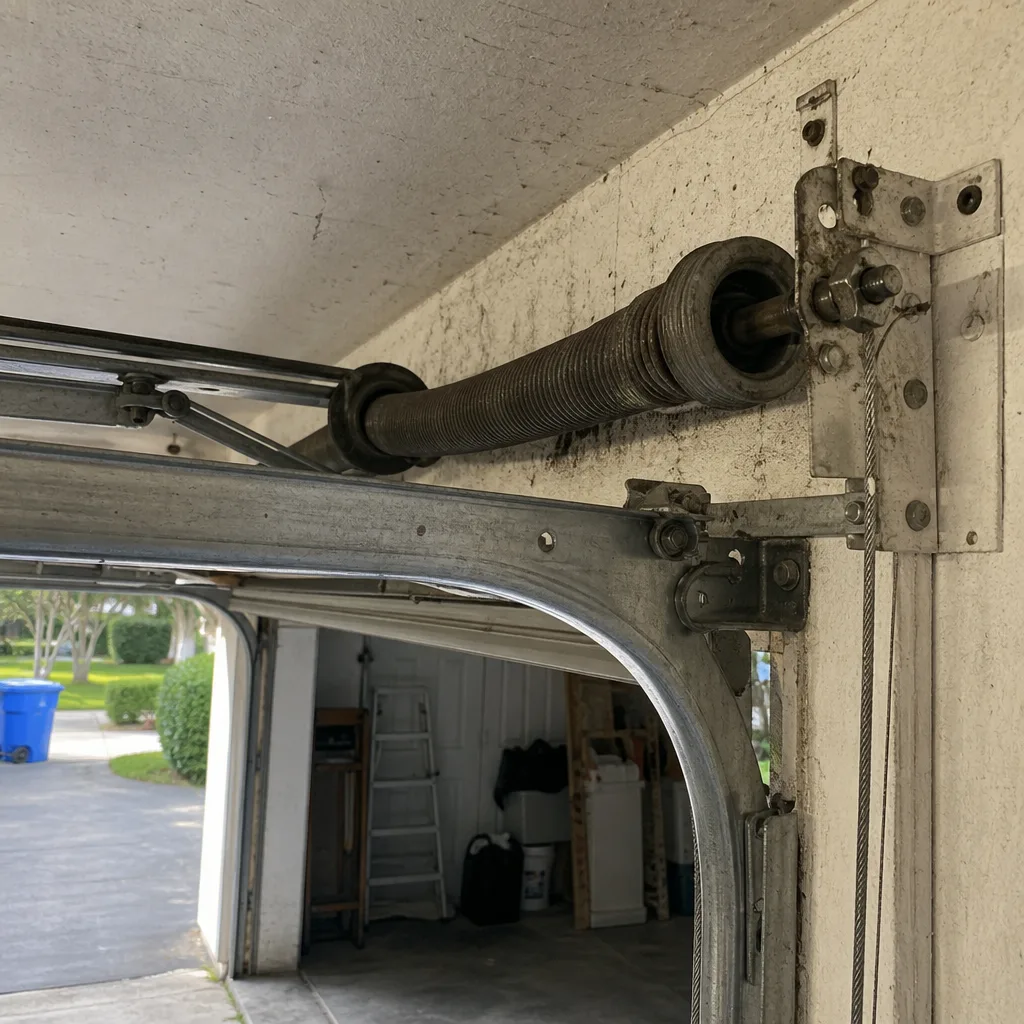 Before
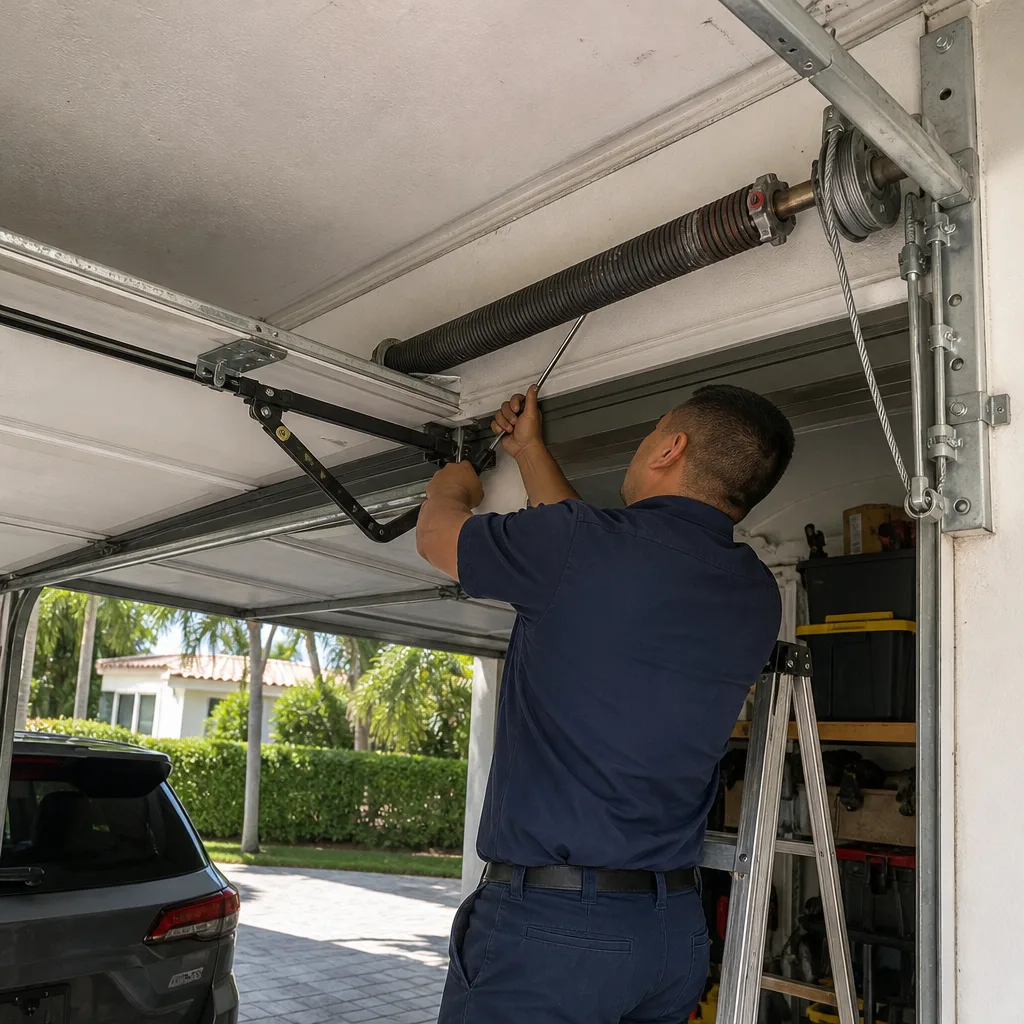 After
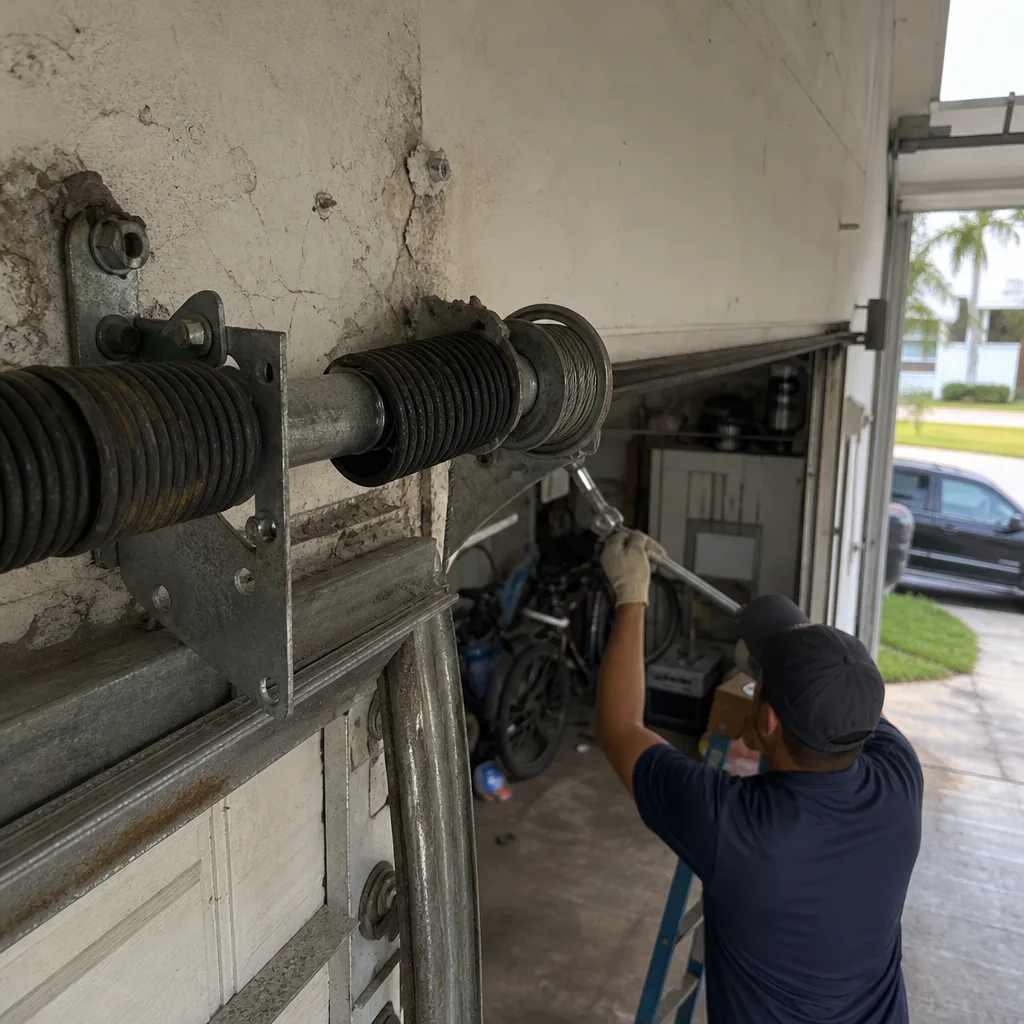 Before
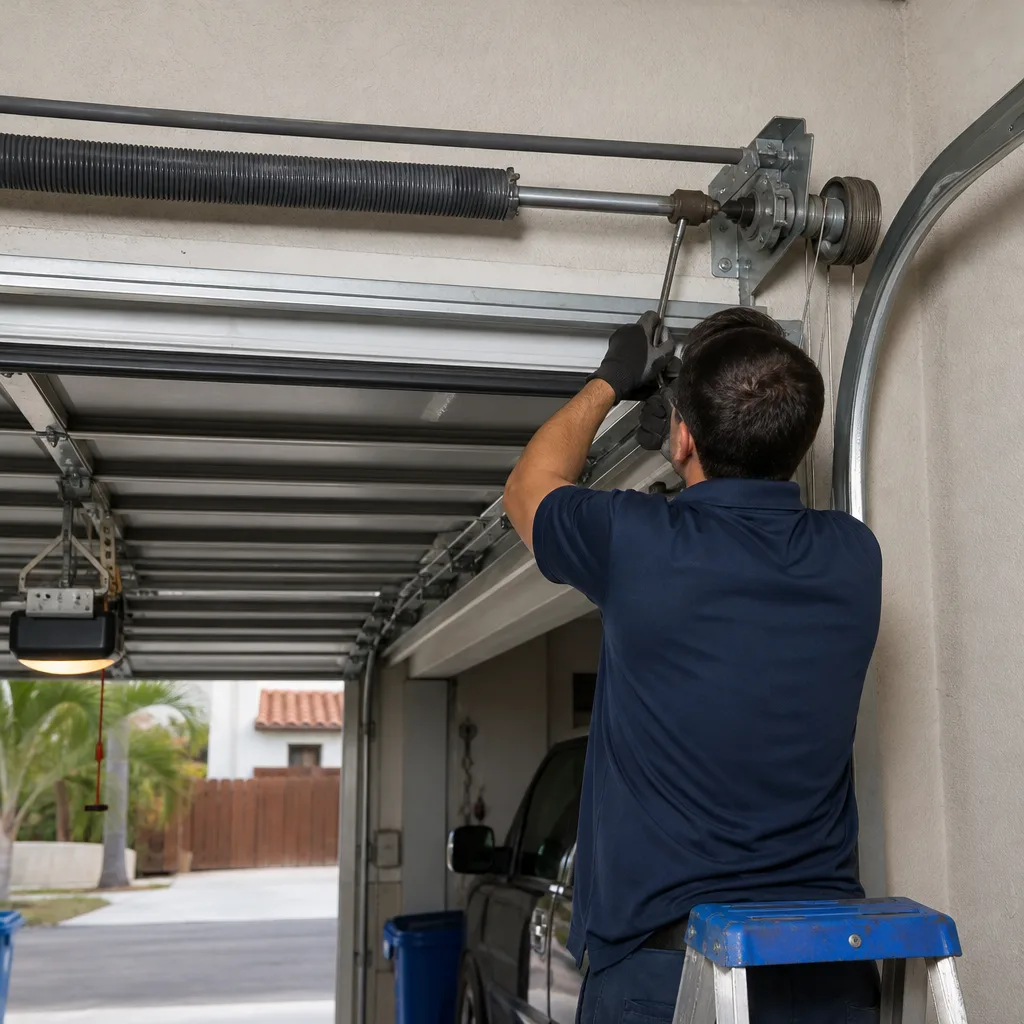 After
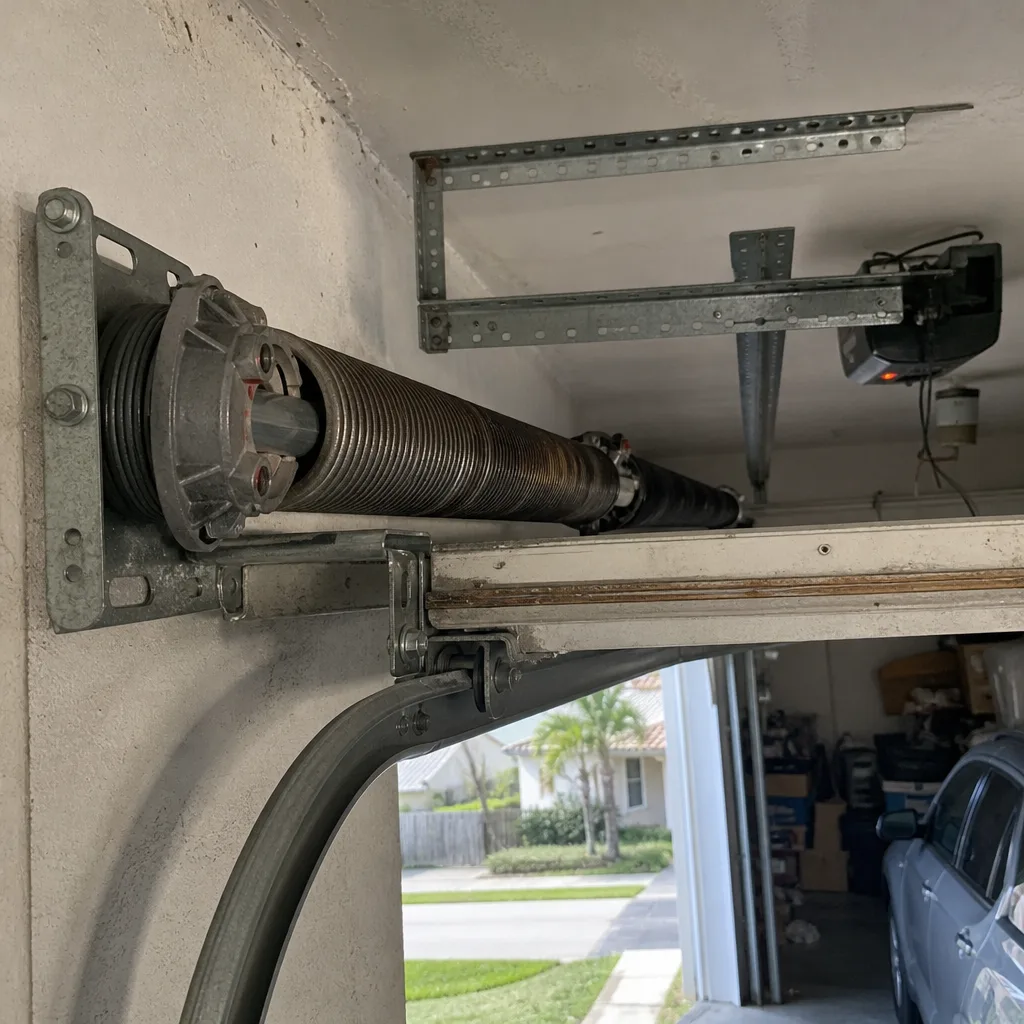 Before
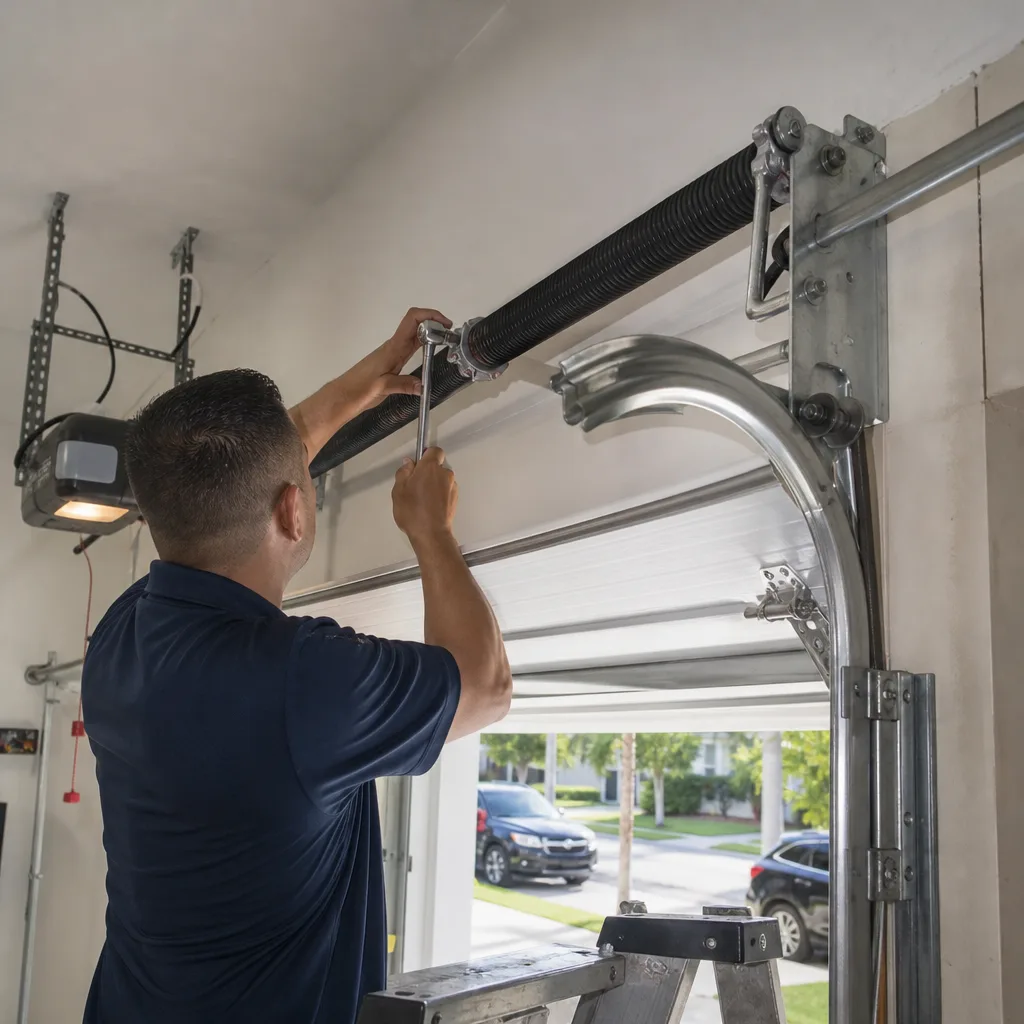 After