
Last updated October 30, 2026
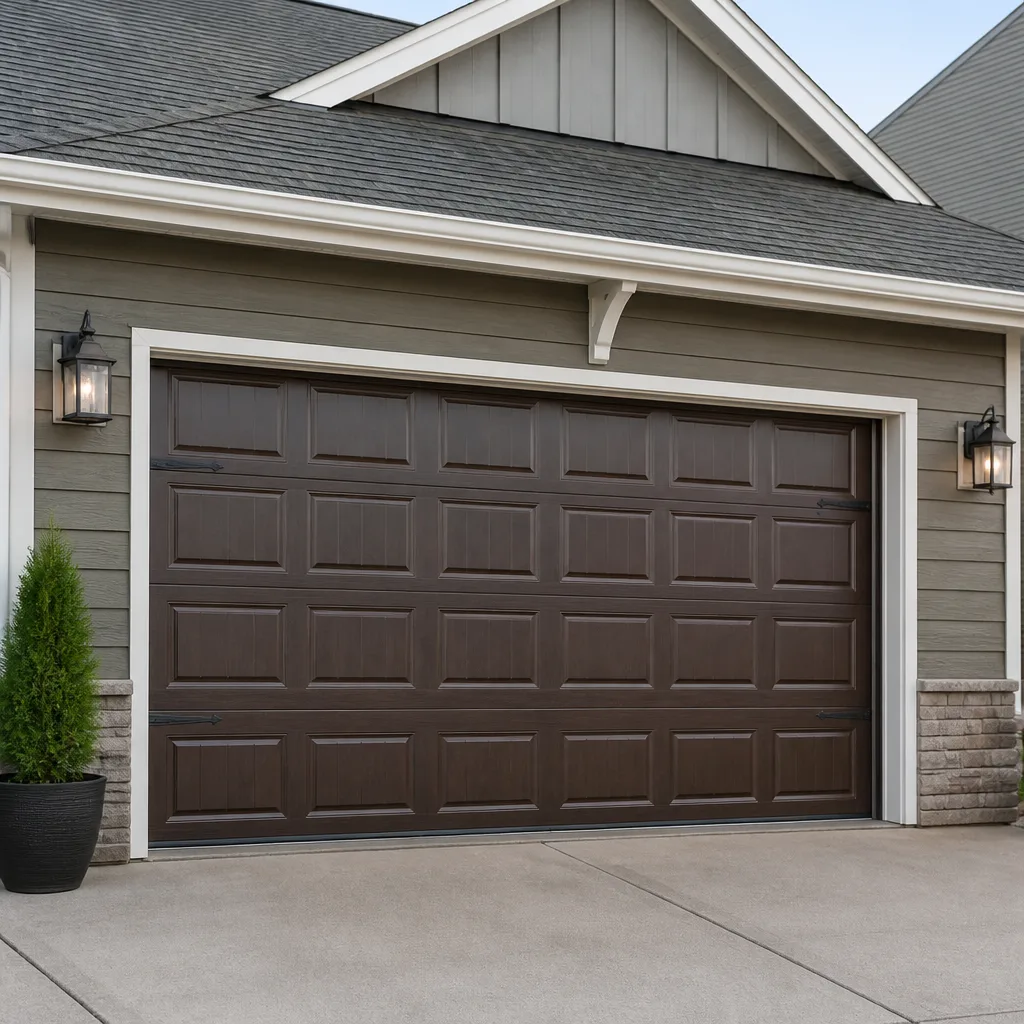 Raised-panel steel
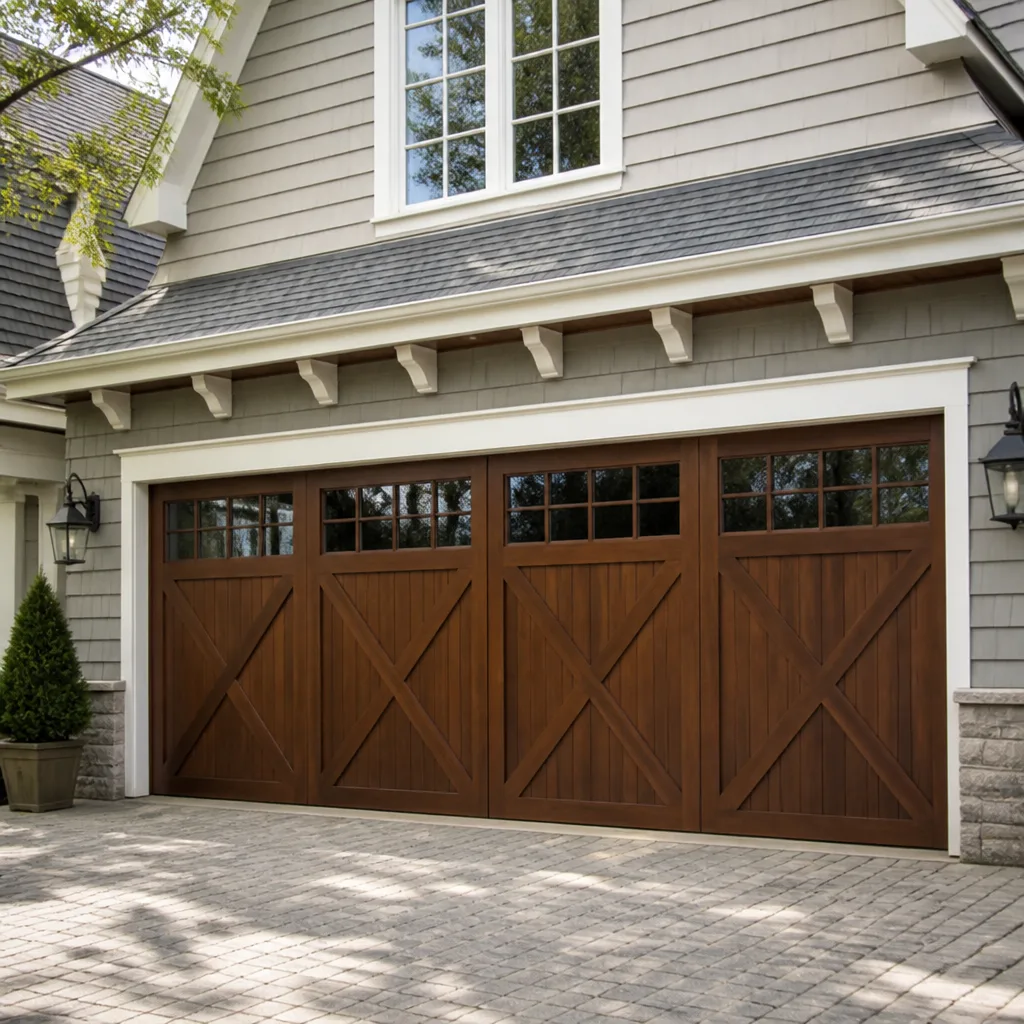 Carriage house
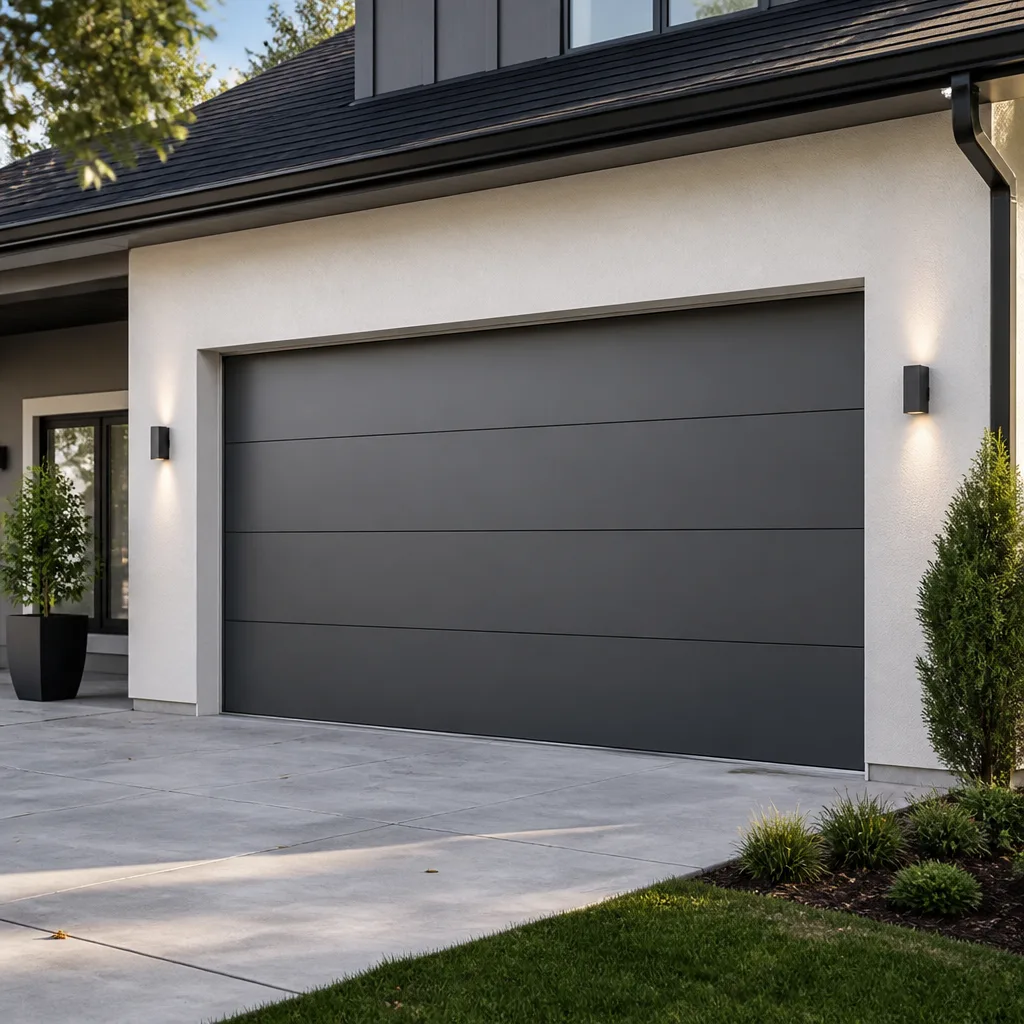 Modern flush
 Full-view glass
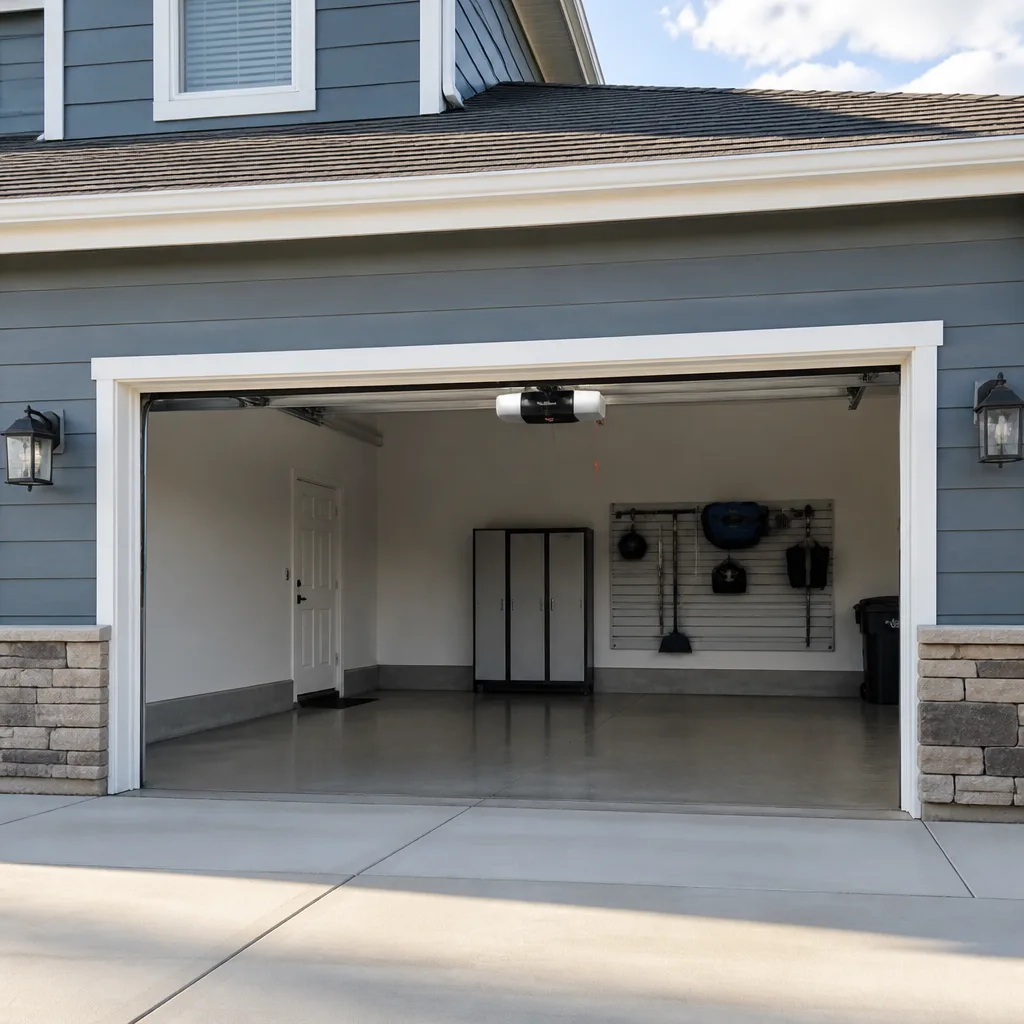 LiftMaster openers
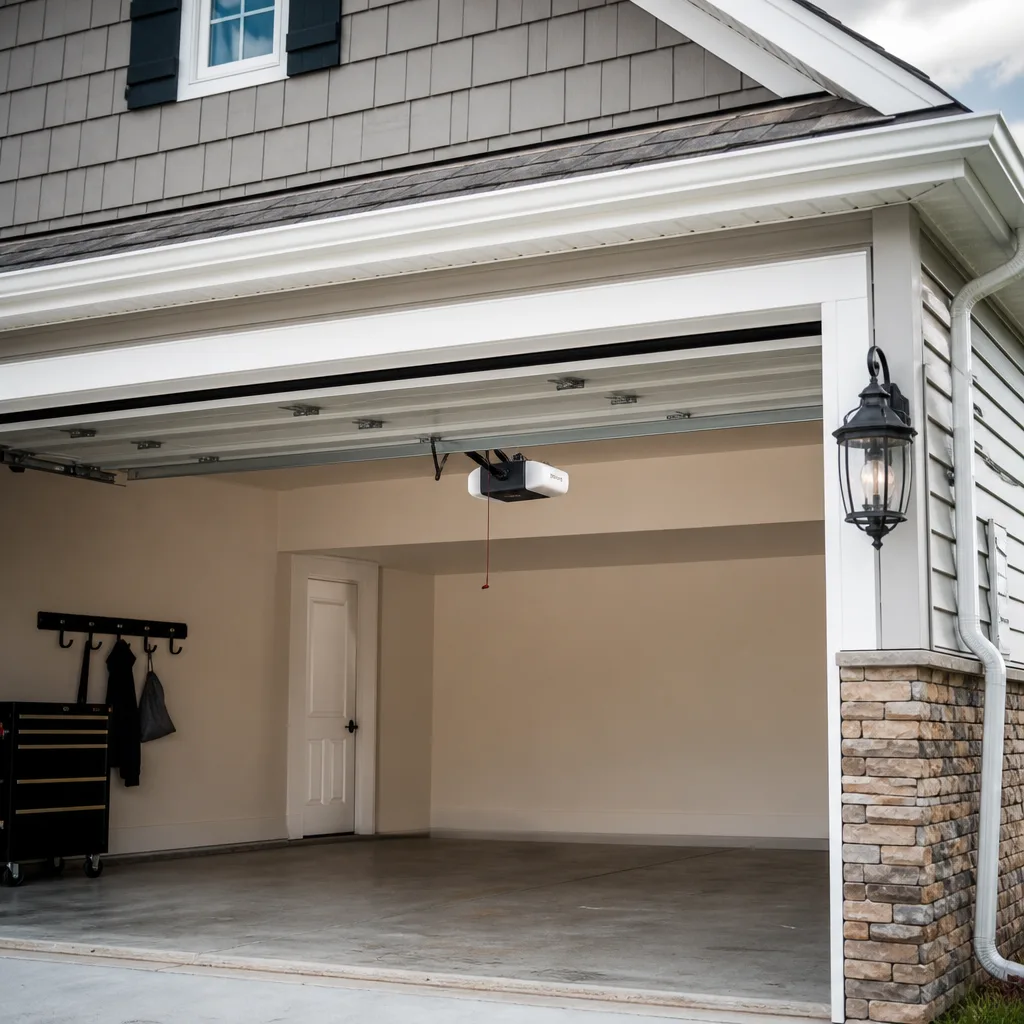 Chamberlain openers
Full 25-point door and opener safety check with every visit - springs, cables, rollers, tracks, and your LiftMaster or Chamberlain opener included
You get a price before we start. It does not change when the truck arrives.
Get your free estimateHow to Hire a Garage Door Contractor in Miami Beach: A Step-by-Step Guide
After Hurricane Irma tore through South Florida in 2017, state regulators flagged more than 2,500 unlicensed contracting complaints in a single year. A disproportionate number involved garage doors. The reason is simple: a garage door is the largest moving object in your home and, in Miami Beach specifically, it’s classified as a wind-load-bearing structural component. Hire wrong and you’re not just risking a sloppy track alignment. You’re risking a door that fails a wind-mitigation inspection after the next named storm and an insurance carrier that denies your claim because the installation was never properly permitted. This guide walks through the exact steps to hire a garage door contractor in Miami Beach, including the licensing checks, product approval questions, and red flags that filter out the storm chasers from the legitimate operators. For related reading, see our complete garage door repair guide for Miami Beach homeowners.
Quick Answer
To hire a garage door contractor in Miami Beach, verify both a Florida state contractor’s license and Miami-Dade County local licensing, confirm the contractor pulls a permit for any new installation, ask for Miami-Dade product approval numbers for the specific door model being quoted, and get a written estimate that separates materials, labor, permit fees, and haul-away charges. Skip any contractor who pressures you to sign the same day or asks for a cash deposit after a storm.
Table of Contents
- 1
- 2
- 3
- 4
- 5
- 6
- 7
- 8
- 9
- 10
- 11
- 12
Step 1: Verify the License, Then Verify It Again
A contractor can flash a license number on a business card and still be operating illegally. South Florida has one of the highest rates of license fraud in the country, and Miami Beach’s dense condo and single-family home mix makes it a prime hunting ground. You need to verify credentials at two levels: the state and the county.
Check the Florida State License
In Florida, garage door installation and repair contractors must hold a license issued by the Florida Department of Business and Professional Regulation (DBPR). Search the DBPR website by license number or business name. Confirm the license is active, the expiration date hasn’t passed, and the business name on the license matches the name on your estimate. A mismatch means the contractor is possibly renting a license from someone else, which invalidates any recourse you have if work goes wrong.
Check Miami-Dade County Local Licensing
Miami-Dade County requires local contractor registration on top of the state license. A contractor doing work in Miami Beach may hold a county certificate of competency or a local specialty license, depending on the scope. Ask for the county license number, and verify it through the Miami-Dade County contractor licensing portal. This dual verification weeds out contractors who are licensed in another county or state but lack the local authorization required to pull permits in Miami Beach.
Why Both Matter for Your Insurance
After a hurricane, your insurer will ask for documentation proving the garage door was installed by a properly licensed contractor with the required permits. If either the state or county license was absent at the time of installation, your claim can be denied outright. This is not a hypothetical. We’ve heard from Miami Beach homeowners who saved $400 by hiring an unlicensed crew after a storm, only to discover their insurance company refused a $12,000 damage claim because the installation was never legal to begin with. The short version: both licenses matter, and you verify them before a contract is signed, not after.
For garage door repair in Miami Beach, the same licensing standards apply, even for smaller jobs like spring replacement or track realignment.
Step 2: Demand Miami-Dade Product Approval Numbers
Miami-Dade County has some of the most stringent wind-load building codes in the United States. A garage door that is perfectly legal in Orlando or Tampa may not be approved for installation in Miami Beach. The county maintains a database of product approvals for every building component that must resist hurricane-force winds, including garage doors. Each approved door model carries a specific product approval number, often printed on a sticker affixed to the door itself or listed in the manufacturer’s technical documentation.
Before you sign a contract for any new door installation, ask this direct question: “What is the Miami-Dade product approval number for this specific door model?”
A legitimate contractor will provide the number without hesitation. We stock and install doors from manufacturers including Clopay and Amarr, and the product approval documentation is standard issue. If you’re still comparing options, our guide to choosing the right garage door brand for Miami Beach can help narrow the field. It includes the wind-load rating, impact rating, and the specific installation requirements the county mandates.
What Happens If the Door Lacks Approval
If a contractor installs a door without a Miami-Dade product approval number, the county will not sign off on the permit inspection. The door is considered non-compliant. Your insurance company can then classify it as an unreinforced opening, which can raise your windstorm premium or void coverage for that portion of the home. On resale, a non-compliant door shows up in the four-point inspection and can delay or kill a closing. The product approval number is not optional paperwork. It is the single most important specification on a Miami Beach garage door estimate.
Step 3: Hire a Garage Door Specialist, Not a Handyman
Miami Beach has no shortage of general contractors, handymen, and property maintenance companies that list garage door work as one line item on a long menu of services. Avoiding that category is one of the smartest hiring decisions you can make, and here’s why: in this regulatory environment, the details are everything. Wind-load requirements. Hurricane bracing. Product approval numbers. Track gauge and spring torsion specs. These are not items a generalist encounters regularly enough to master.
Garage doors are all we do. That means every job we handle involves the same mechanical systems, the same county codes, and the same brand-specific quirks. We work on the brand you already have, which matters more than people expect. A handyman who installs one garage door a month may never have seen a Wayne Dalton torsion system with a TorqueMaster spring. A specialist has seen it dozens of times. The diagnosis is faster, the repair is more accurate, and the installation is more likely to pass the county inspection the first time. For garage door installation in Miami Beach, that difference translates into real money saved and real insurance protection secured.
Step 4: Review the Written Estimate Line by Line
A legitimate written estimate for a garage door job in Miami Beach should break down the costs into clear categories. A one-line “total price” with no detail is a warning sign. Here’s what a proper estimate includes:
- Door model and manufacturer. The estimate names the exact door, including the manufacturer (Clopay, Amarr, Wayne Dalton, Raynor, etc.) and the specific model or series.
- Product approval number. As covered above, this should be listed for any new installation. For repairs, the approval number applies to replacement panels or doors.
- Materials cost. Broken out separately from labor. This should include the door, hardware, track, springs, weatherstripping, and any reinforcement components.
- Labor cost. Either flat-rate or hourly with an estimated time range. Flat-rate is preferred for predictability.
- Permit fees. Miami Beach permits for garage door installation are not free. The estimate should state who pays the fee and who files the paperwork.
- Haul-away and disposal. Old door removal, debris disposal, and any recycling fees should be a line item, not a surprise add-on.
- Warranty terms. What’s covered, for how long, and what voids the coverage. Legitimate contractors put this in writing.
One more thing worth stating plainly: the price you agree to before work starts is the price you pay. A professional quotes and gets your approval before any tools come off the truck. If a contractor in Miami Beach starts a job and then “discovers” problems that double the cost, that’s not normal business practice. That’s a red flag with a wrench.
Step 5: Screen for South Florida Contractor Red Flags
Every region has its contractor scams, but South Florida has its own particular ecosystem. The post-storm environment brings out operators who are skilled at one thing: collecting deposits and disappearing. Here are the red flags unique to the Miami Beach market:
Storm-Chaser Urgency
Any contractor who shows up unsolicited after a hurricane warning or major storm and tells you to sign today “before the next system arrives” is not acting in your interest. Legitimate contractors in Miami Beach are booked before, during, and after storm season. We don’t need manufactured urgency to fill a schedule.
Vague Permit Language
An estimate that says “permitting as needed” or “permits handled by homeowner” without explanation is a problem. Miami Beach permit requirements are not optional, and a contractor who doesn’t want to pull them is telling you something about their licensing status.
Cash-Only Deposits
Demanding a large cash deposit, particularly after a storm when callbacks are harder to make, is a classic South Florida pattern. Legitimate contractors accept traceable payment methods and provide a written contract. A deposit request for materials should be accompanied by documentation showing those materials were ordered for your specific job.
No Physical Address
Contractors who only exist as a phone number and a magnetic sign on a truck door are hard to hold accountable. A legitimate Miami Beach garage door business has a physical address, a verifiable license, and a trail of completed permit inspections.
The “I Can Use Any Brand” Lie
Some contractors claim to service every brand on the market but only stock parts for one or two. Ask which manufacturers they carry parts for, and watch the answer. A specialist who works on LiftMaster, Chamberlain, Genie, Craftsman, Clopay, Amarr, Wayne Dalton, and Raynor can name those brands and describe the differences. A generalist will say “all of them” without specifics. The distinction matters when your Genie opener has a logic board failure and the tech is Googling the part number in your driveway.
If your opener is the problem, garage door opener repair in Miami Beach is a service you want from a company that works on your specific opener brand every week.
Step 6: Get the Permit Responsibility in Writing
In Miami Beach, a new garage door installation requires a permit. This is not a gray area or a best practice. It’s a county code requirement. The permit triggers an inspection, and the inspection produces the documentation your insurance company and any future home buyer will ask for.
- Ask who pulls the permit. The contractor should handle this. If they ask you to pull the permit as an owner-builder, that’s a workaround some unlicensed operators use. Politely decline.
- Confirm the permit number exists. After the contractor files, you should receive a permit number you can look up in the Miami-Dade County permitting portal. If the contractor can’t produce one within a day or two of signing, something’s wrong.
- Attend the inspection, or get documentation. The inspector verifies the door is installed to code, properly anchored, and matches the approved product specifications. Keep that inspection report. It is your proof of compliance if you ever file an insurance claim.
- Demand final documentation. A complete job file includes the product approval number, the permit, the inspection sign-off, and the warranty. Store these with your home records. Future-you, at closing or claim time, will be grateful.
This is where the specialist advantage compounds. A contractor who does garage doors every day in Miami Beach knows the permitting process by heart. We file these permits as a matter of routine. The process that takes a generalist a week of back-and-forth takes us a day because we know exactly what the county asks for.
Step 7: Ask Which Brands the Contractor Actually Services
Garage doors are not interchangeable. A Clopay door with a torsion spring system behaves differently from a Wayne Dalton door with a TorqueMaster. A Genie opener uses different circuit logic than a Chamberlain or LiftMaster. When a contractor only installs one brand, they tend to recommend that brand even when a repair to your existing door would be cheaper and just as durable.
Our philosophy is repair when possible, replace when necessary. That only works if the company diagnosing your door knows how it was built in the first place. We service equipment from LiftMaster, Chamberlain, Genie, Clopay, Amarr, Wayne Dalton, Craftsman, and Raynor. That covers the vast majority of doors installed in Miami Beach homes, from condos in South Beach to single-family houses in North Beach and Biscayne Point. A contractor who tries to sell you a replacement before identifying what’s wrong with your current door is not doing diagnostics. They’re doing sales.
Common Mistakes to Avoid
- Skipping the license verification because “the price was good.” The cheapest bid in Miami Beach is frequently the most expensive after an insurance claim is denied or a permit inspection fails.
- Signing a contract without a product approval number. Without that number, you’re betting your homeowner’s insurance that the door meets Miami-Dade wind-load standards. It usually doesn’t.
- Hiring a general handyman for garage door work. A handyman doesn’t carry the county license or the brand-specific parts inventory, and cannot legally pull a permit. The work may look fine until the first big wind test.
- Paying a large cash deposit before the job starts. A legitimate contractor doesn’t need cash up front to “secure materials.” The materials are ordered on a business account and paid after the work is done.
- Accepting a one-line estimate with no breakdown. No product approval number, no permit fee, no warranty terms. It’s not an estimate. It’s an invitation to pay more later.
- Letting storm-season urgency push you into a bad decision. A rushed decision in September can mean a non-compliant door in October and a denied insurance claim the following June.
- Replacing instead of repairing because the contractor only sells new doors. Some companies make their money on replacements. If your existing door can be brought back to working order safely, that’s the better financial call.
When to Call a Professional
Garage door repair is not a weekend DIY project, and in Miami Beach it carries structural implications that most homeowners don’t see until it’s too late. Call a professional when the door doesn’t open or close evenly, when it makes grinding or popping sounds, when the springs or cables show visible wear, or when the door has come off its tracks. High-tension torsion springs are dangerous to work on without proper tools and training, and a door that weighs 300 pounds falling off its track is a serious hazard. For opener issues, electrical diagnostics on modern smart-home systems are best handled by someone who works on that brand of equipment regularly. Top Notch Garage Door Repair offers free estimates in Miami Beach. Call (855) 754-6010 and we’ll send a specialist who works on the brand you already have.
Frequently Asked Questions
Most garage door repairs in Miami Beach run between $150 and $400 for common jobs like spring replacement, cable repair, or track realignment. New door installations typically start around $1,200 and can exceed $5,000 depending on the door model, wind-load rating, and material. The exact price depends on your door brand, the scope of the work, and whether a permit is required. Call (855) 754-6010 for a free estimate with a written line-item breakdown.
Yes. Miami-Dade County requires a permit for new garage door installations, and the door must carry a valid Miami-Dade product approval number to pass inspection. A contractor who tells you a permit isn’t needed for a full replacement is wrong, and the omitted permit will surface later at inspection, claim, or closing time.
A Miami-Dade product approval number is a certification that a specific building product, including a garage door, meets the county’s strict wind-load and impact-resistance standards. Doors without this approval cannot be legally installed in Miami Beach, and homes with non-approved doors can face higher insurance premiums or denied storm damage claims.
A handyman cannot legally pull the county permit required for garage door installation in Miami Beach, and most lack the brand-specific training and parts inventory for proper repair work. Hiring a licensed garage door specialist protects your home’s structural compliance and your insurance coverage. Garage doors are all we do, which means the right fix the first time.
Response times vary by season, with storm season and post-hurricane periods being the busiest. For repair work, most established Miami Beach contractors can schedule a diagnostic visit within a few days. New installations require measurement, ordering, and permit processing, which typically takes one to three weeks depending on product availability. Call (855) 754-6010 and we’ll give you an honest timeframe specific to your job.
The price quoted and agreed upon before work starts is the price you pay. A legitimate contractor in Miami Beach provides a written estimate, gets your approval, and does the work for that amount. Any contractor who starts a job and then demands more money for “unexpected complications” without a clear, itemized explanation is not operating legitimately. Repairs are quoted and approved before any work begins.
The Bottom Line
Hiring a garage door contractor in Miami Beach is not a casual decision. The city’s wind-load requirements, the county’s permitting process, and the insurance implications of a non-compliant installation mean that the wrong hire can cost you far more than the job itself. Verify the state and county license. Demand the Miami-Dade product approval number. Choose a specialist who works on your specific brand. Get the permit responsibility in writing. And reject any contractor who uses storm-season pressure to rush you into a decision. Do those things and the rest of the process tends to work itself out. Skip any of them and you’re gambling with the largest structural opening in your home during the most storm-exposed season of the year. The stakes are just that simple.
Written by the team at Top Notch Garage Door Repair, serving Miami Beach since 2014. Browse more guides & resources on our blog.
Styles & brands we work with
See the difference
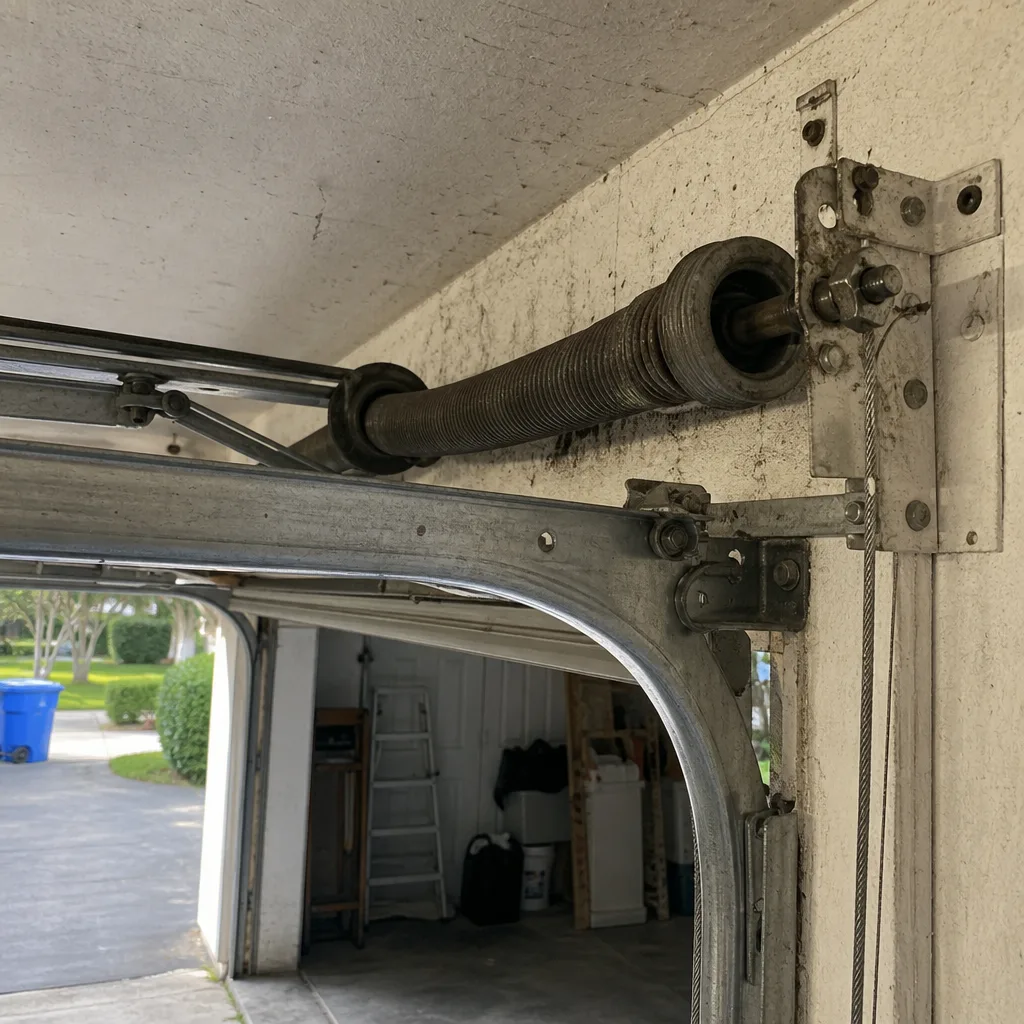 Before
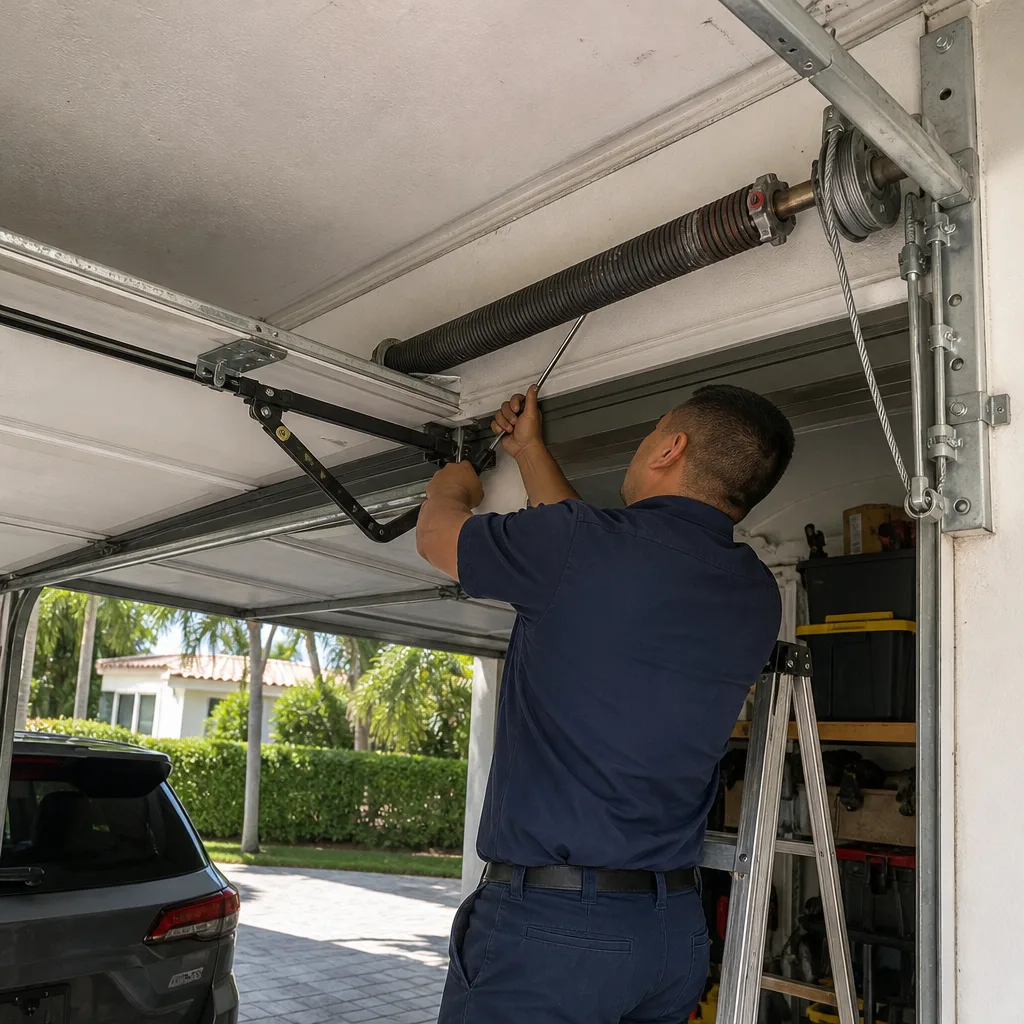 After
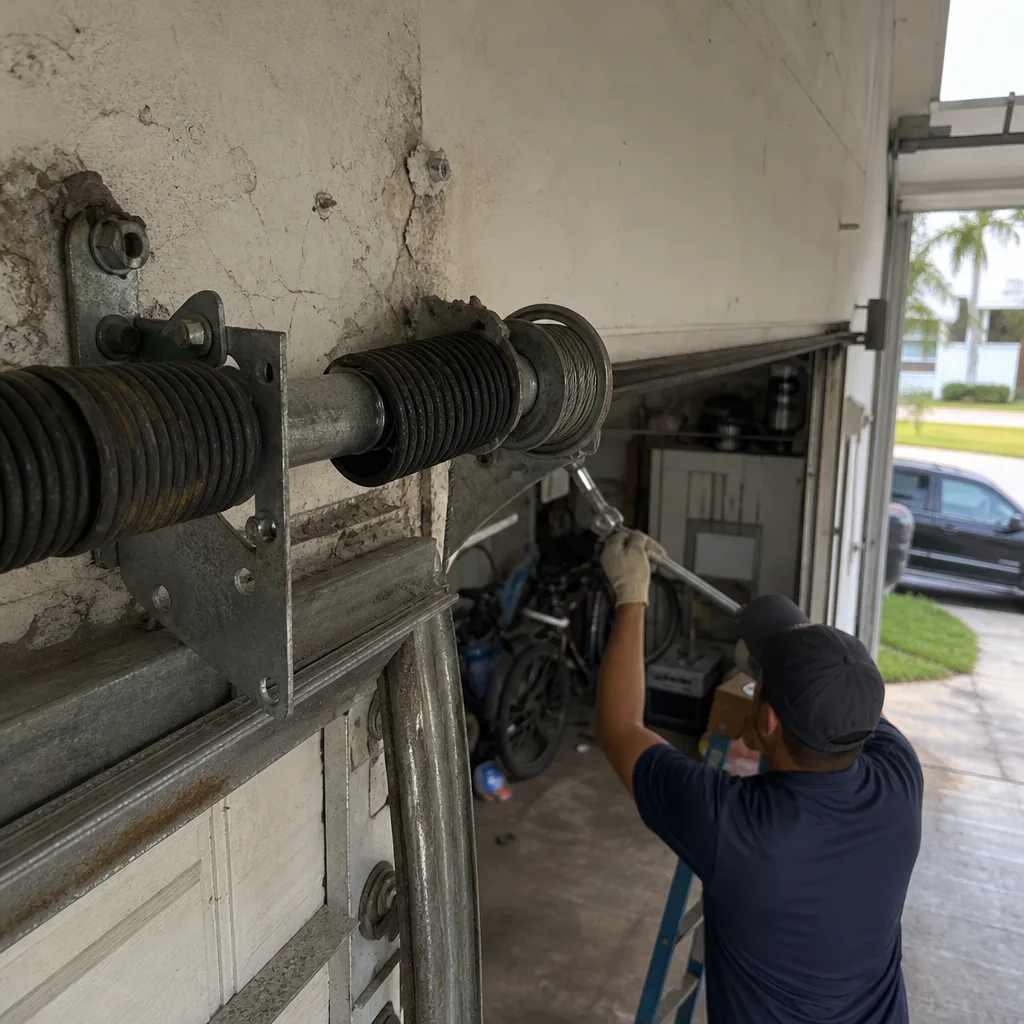 Before
 After
 Before
 After