
Last updated October 30, 2026
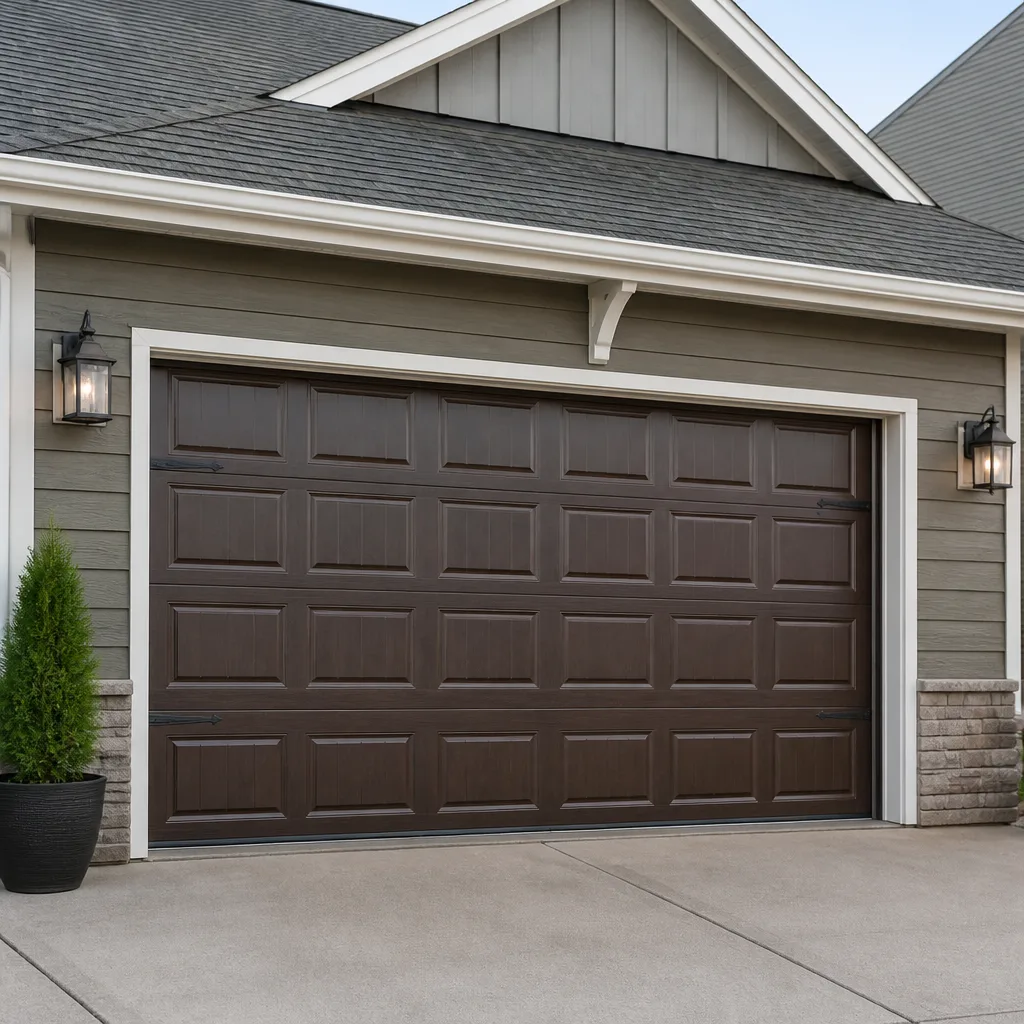 Raised-panel steel
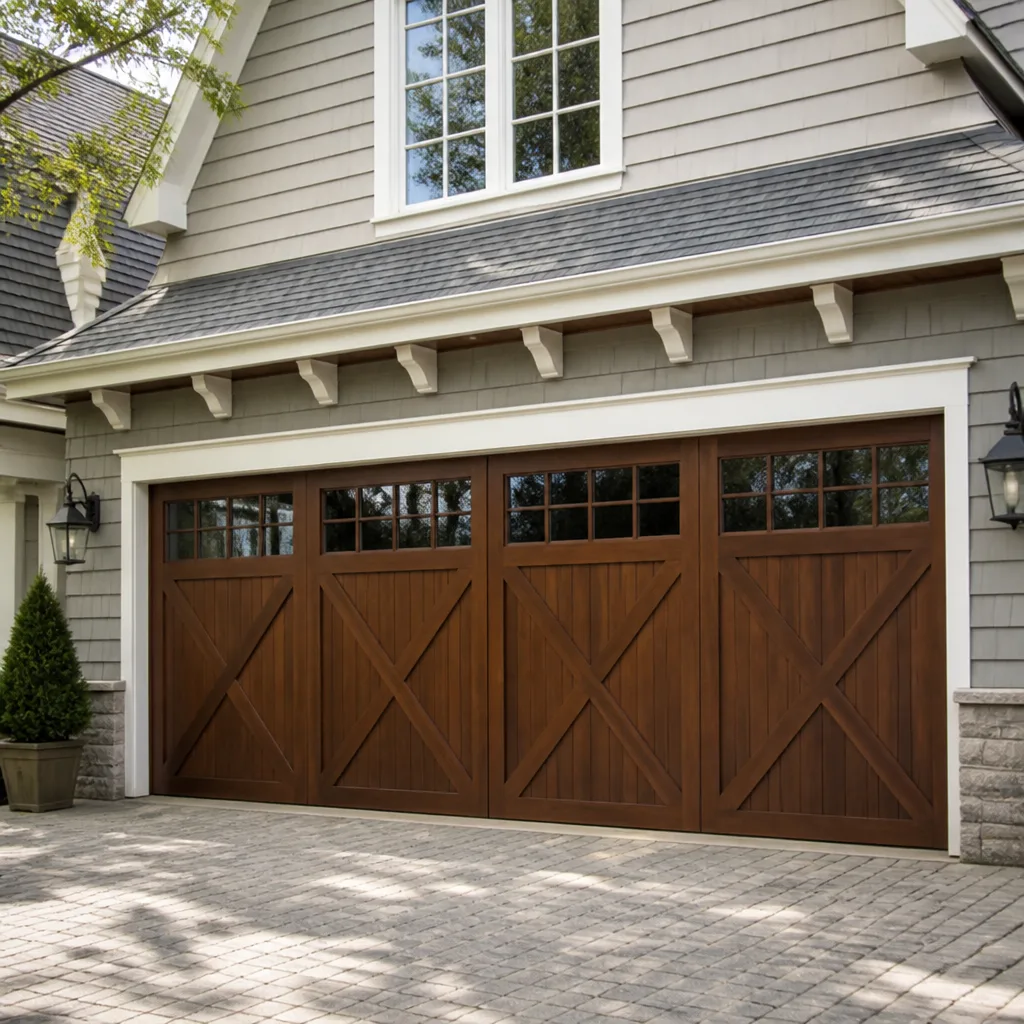 Carriage house
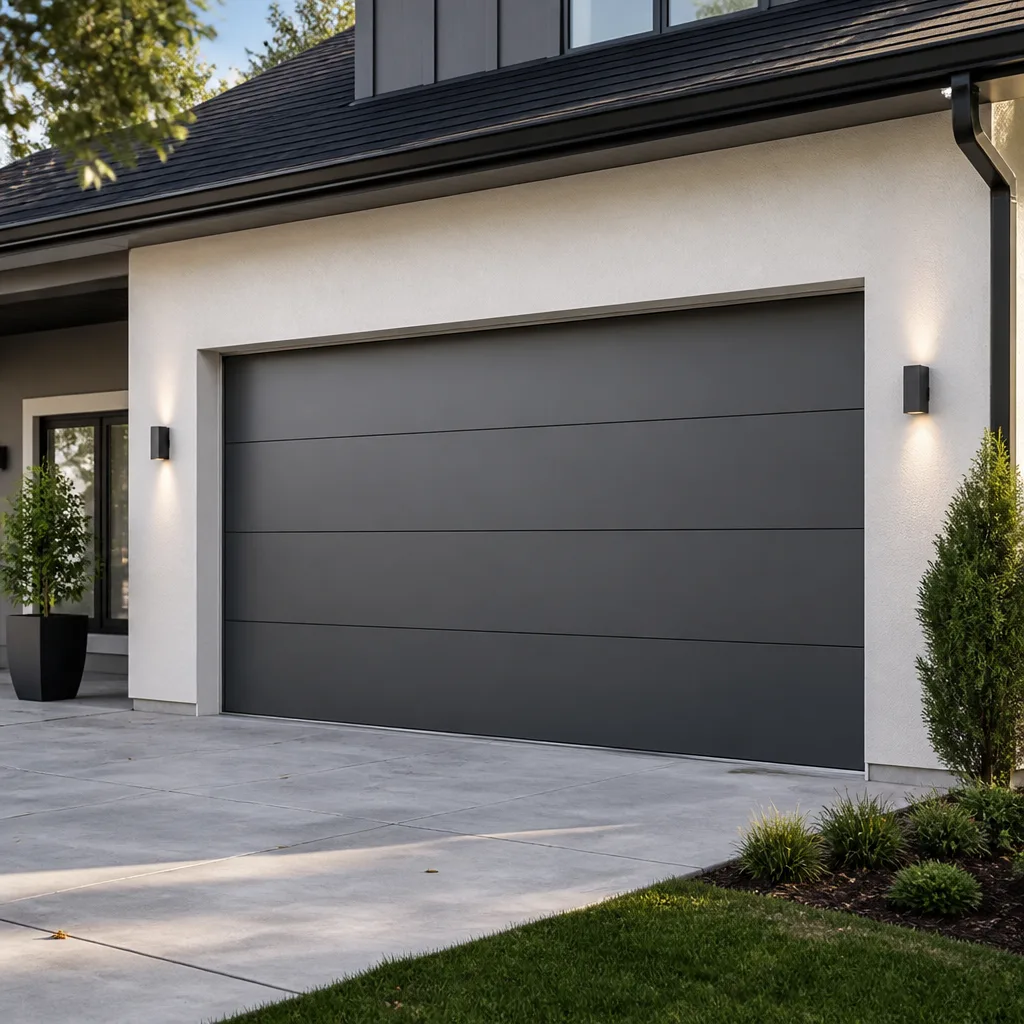 Modern flush
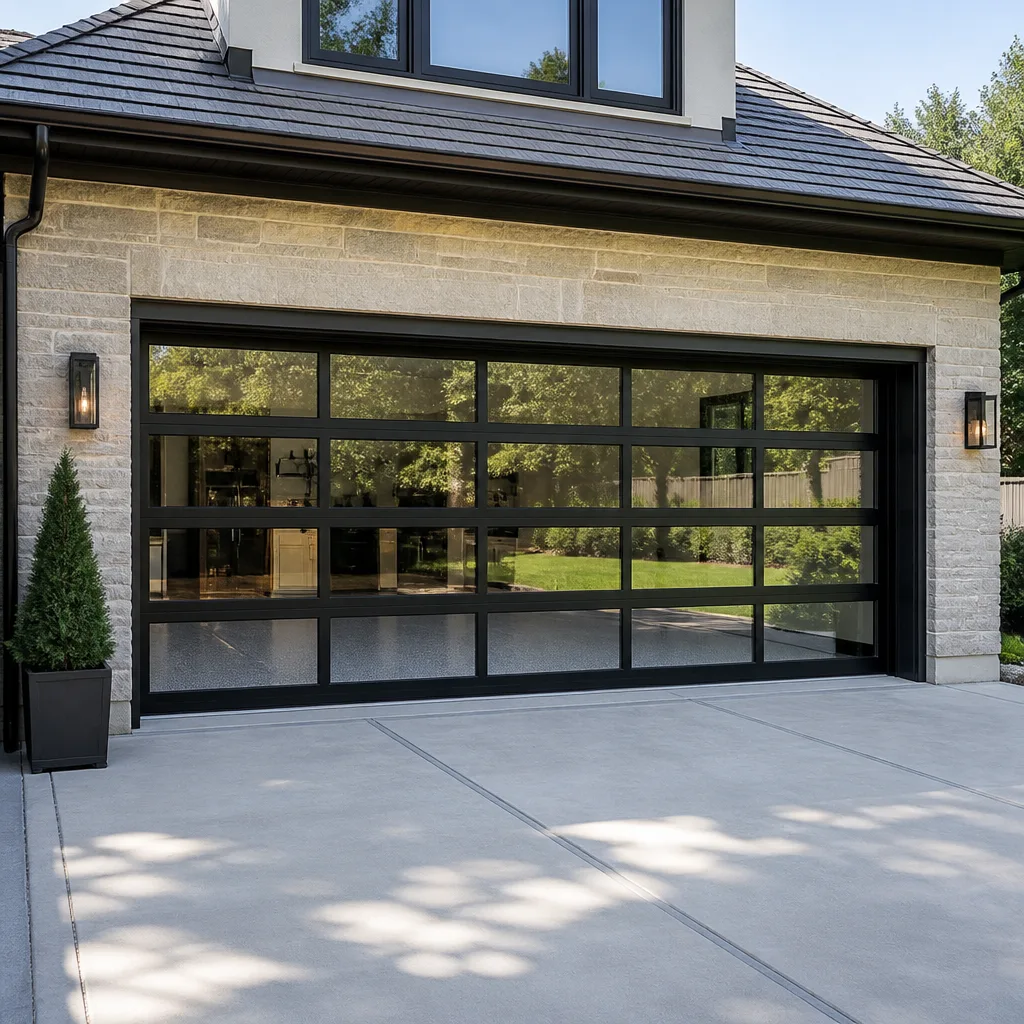 Full-view glass
 LiftMaster openers
 Chamberlain openers
Full 25-point door and opener safety check with every visit - springs, cables, rollers, tracks, and your LiftMaster or Chamberlain opener included
You get a price before we start. It does not change when the truck arrives.
Get your free estimateSeasonal Garage Door Care for Miami Beach: Year-Round Homeowner’s Guide
Miami Beach doesn’t have four seasons. It has two that matter for your garage door: hurricane season and the humid off-season. Each creates its own set of failures, and they don’t show up on the calendar most national home-maintenance guides use. A garage door that hums along fine in February can bind, rust, or fail outright by August if the salt air and storm cycles have been working on it unchecked. This guide walks you through what to inspect, when to do it, and which problems you can handle yourself versus which ones need a phone call to Garage Door Repair in Miami Beach.
Quick Answer
Seasonal garage door care in Miami Beach means running a pre-hurricane inspection by June 1st, a post-season hardware check in November, and monthly salt-air and humidity maintenance year-round. The biggest failure points here are rusted torsion springs, corroded opener circuit boards, swollen or contracted wood panels, and degraded bottom seals that let storm water and debris into the garage. A professional tune-up twice a year, timed around storm season, prevents most emergency repairs.
Styles & brands we work with
Table of Contents
- The June 1st Pre-Hurricane Readiness Protocol
- The November Post-Season Assessment
- The Dry-Season Problem: Wood Contraction and Broken Seals
- Year-Round Salt-Air Mitigation Habits
- How to Time Professional Tune-Ups in Miami Beach
- Opener-Specific Seasonal Care
- Panel and Finish Care by Material
- Common Mistakes to Avoid
- When to Call a Professional
The June 1st Pre-Hurricane Readiness Protocol
Hurricane season opens June 1st, and Miami Beach homeowners don’t get a grace period. By the time a storm enters the Gulf, you want the door already inspected and loaded. A garage door is the largest moving object on the house, and under hurricane-force winds it becomes a pressure point. If the door flexes, the wind gets under it, and then you’re dealing with a blown-in garage, a compromised roof line, or a door off its tracks. The pre-season protocol is six steps, and most of them take less than an hour.
- Test the balance. Pull the release handle on the opener so the door operates manually. Lift it halfway. A balanced door stays put. If it drops or climbs, the torsion springs are fatigued. Springs that are already weak before a storm will fail during it.
- Inspect the torsion springs and cables. Look at the springs above the door. Surface rust on a Miami Beach spring is common; deep pitting or a visible gap in the coil means the spring is close to snapping. The lift cables should be taut and free of fraying.
- Check the bottom seal. The rubber strip along the bottom of the door is your first line of defense against wind-driven rain and flying debris. If it’s cracked, flattened, or pulling away at the corners, replace it before June. A gap of a quarter inch is enough to let water in during a sideways rain.
- Tighten all hardware. Garage doors cycle hundreds of times in a storm season. Bolts, hinges, and track brackets loosen over time. A socket wrench and ten minutes prevents a roller from popping out mid-cycle.
- Test the auto-reverse sensors. Place a roll of paper towels in the door’s path and close it. If the door doesn’t reverse on contact, the sensors are misaligned or faulty. During a storm, you need the door to obey commands the first time.
- Clear the tracks. Sand, salt crust, and debris accumulate in the vertical and horizontal tracks in coastal Miami Beach. Wipe them down and confirm the rollers move freely.
If the door fails any of these checks, don’t wait until a named storm is three days out. Top Notch Garage Door Repair home offers free estimates for Miami Beach homeowners, and we can typically address spring issues, seal replacements, and opener sensor problems before the season’s first serious weather arrives.
The November Post-Season Assessment
November 30th closes the hurricane book for the year. What most Miami Beach homeowners don’t realize is that the damage done during storm season doesn’t show up right away. Salt spray, repeated humidity cycles, and the vibration of heavy wind wear down hardware slowly. The post-season assessment in early November catches these hidden stresses before they become a January emergency. Here’s what we look for when we run this check, and what you should look for yourself.
- Spring seating and stretch. Torsion springs stretch microscopically with every cycle. After a storm-heavy season with heavy use, a spring may have lost enough tension that the door sits slightly uneven. You’ll notice the door doesn’t close flush on one side, or it creaks when it starts to move.
- Bearing wear. The end bearing plates and center bearing plate absorb the load of the torsion spring. Salt air accelerates wear on these components. If you hear a squeal from above the door when it operates, the bearings are dry or failing.
- Hinge and roller play. Rollers wear unevenly under storm stress. A roller with a flat spot causes the door to shimmy. Hinges with play let the panels flex in the wind more than they should.
- Opener motor strain. After a season of heavy use, the motor may labor more than it did in May. That’s often a sign the door is heavier than the opener thinks it is, usually from a spring that’s getting tired. Running an opener against a weak spring burns out motors faster than anything else.
- Weatherstrip compression. Storm season compresses the bottom seal. If it stays compressed, it never regains its shape, and the gap that was fine in August becomes a draft point by December. Miami Beach doesn’t get cold, but it does get humidity, lizards, and the occasional tropical downpour in the dry season.
Most of these issues are fixable in a single visit. We work on the brand you already have, whether that’s a Clopay door, a Wayne Dalton, or an Amarr. The post-season tune-up is the difference between catching a $30 bearing now and replacing a $300 spring assembly in February.
The Dry-Season Problem: Wood Contraction and Broken Seals
Between December and April, Miami Beach humidity drops. Not to Arizona levels, but enough that wood garage door panels lose moisture and contract. Wood panels are porous; they absorb humidity from the air, expand, and then shrink when the air dries. The panels themselves are usually fine. The problem is what contraction does to the seals around them.
When a wood garage door contracts, the panels pull away from the weatherstripping on the sides and top. Gaps form that were never there in September. The bottom seal, meanwhile, is already compressed from storm season, and now the door sits slightly higher because the panels shrank. The result is a garage that leaks air, lets in dry-season dust and pollen, and makes the opener work harder because the door no longer sits square in its frame.
We’ve seen this pattern repeat across Miami Beach neighborhoods every dry season. In older homes with original wood doors, the gap at the bottom corners can be as much as half an inch. Homeowners notice it as a strip of daylight under the door, or a fine dust that settles on everything stored in the garage. The fix is usually a bottom seal replacement and a side weatherstrip replacement, timed for the dry months when the gap is most visible.
If you see daylight under the door edges in January or February, address it then. Don’t wait until May, when the wood reabsorbs moisture, expands, and masks the gap. By then, the structural seal has already failed, and the next hurricane season will exploit it.
Year-Round Salt-Air Mitigation Habits
Salt air is the single most destructive force working on garage doors in Miami Beach. It never stops. The ocean doesn’t take a season off, and neither does corrosion. The good news is that salt damage is cumulative and predictable, which means consistent habits reduce it significantly. Here are the year-round habits that make the biggest difference, based on what we see working on doors across the beach and the barrier islands.
- Rinse the door monthly. Use a garden hose and plain water to rinse the exterior face of the door, the tracks, and the bottom seal. No soap needed. The goal is to wash off the fine salt film that accumulates on every surface. Do this month one, and you’ll cut corrosion rates measurably.
- Wipe down the hardware quarterly. The hinges, track brackets, and spring assembly collect salt just like the door face. A damp cloth and a dry follow-up keeps corrosion from getting a foothold. Don’t spray water into the opener motor or the electrical connections.
- Lubricate moving parts every 90 days. Use a garage-door-specific lubricant (white lithium or silicone, not WD-40). Apply it to the rollers, hinges, and the torsion spring. Lubrication creates a thin barrier against salt air and keeps friction low, which extends spring life.
- Inspect for paint failure on steel doors. Steel doors with a factory finish resist salt well, but any scratch or chip becomes a rust point. Touch up scratches with automotive touch-up paint as soon as you see bare metal.
- Keep the tracks clean. Salt and sand mix into a paste that coats the tracks. Run a dry cloth through them monthly. If the rollers feel gritty, that paste is wearing down both the roller and the track.
These habits aren’t expensive, and none of them require special tools. They do require consistency. In our experience, Miami Beach doors that get monthly rinsing and quarterly lubrication last years longer than identical doors across the street that get ignored.
How to Time Professional Tune-Ups in Miami Beach
National home-maintenance guides tell you to schedule a garage door tune-up in the spring and fall. That’s useful advice for Chicago. It’s wrong for Miami Beach, as explained in The Complete Guide to Garage Door in Miami Beach. Here, the calendar that matters is the storm calendar. We recommend two professional tune-ups per year, timed like this:
- Early May (before June 1st). This is the pre-hurricane tune-up. The technician checks spring tension, cable condition, sensor function, opener force settings, and replaces the bottom seal if it’s worn. The goal is a door that’s ready to ride out a storm cycle.
- Early November (after the season closes). This is the post-season tune-up. The technician inspects for the cumulative wear described above, lubricates everything, and documents any components that are nearing end-of-life so you can budget for them before they fail.
If you can only do one tune-up per year, do it in May. The pre-storm check is the higher-stakes visit. A door that fails during a storm is a safety hazard and a property-damage liability. A door that fails in January is an inconvenience. For an Garage Door Opener Repair in Miami Beach issue that develops over the storm season, the November check catches it early.
Miami Beach homeowners in condos and single-family homes along the water may want to add a third check in August, especially for doors that face east and take direct salt spray. Doors within a quarter mile of the ocean simply wear faster.
Opener-Specific Seasonal Care
Garage door openers in Miami Beach face two seasonal threats: humidity and storm-related power surges. The humidity is constant, and it does slow but steady damage to circuit boards and electrical connections. The power surges are intermittent but severe; a lightning strike on the grid can fry an opener’s control board instantly.
Our team repairs openers across the major brands: LiftMaster, Chamberlain, Genie, and Craftsman. The seasonal issues are consistent across all of them. Here’s what to do:
- Check the force settings twice a year. Openers have an adjustable force setting that controls how hard the motor pushes. Door weight changes seasonally in Miami Beach, especially on wood doors that expand and contract with humidity. An opener set too weak will stall on a humid September day; set too strong, it becomes a safety hazard.
- Test the auto-reverse monthly during storm season. This is the opener’s most important safety feature. Test it with the paper-towel method described earlier. If it doesn’t reverse, the opener needs service immediately.
- Inspect the emergency release cord. During a power outage, the release cord is the only way to operate the door manually. Make sure it’s in good condition and accessible. Miami Beach loses power during storms with some regularity.
- Consider a surge protector. Most homeowners plug their opener directly into a ceiling outlet. A simple plug-in surge protector rated for motors costs less than $40 and can save a $300 control board. For a door that faces a storm exposure, it’s cheap insurance.
If your opener is a smart-home model from LiftMaster or Chamberlain, seasonal changes don’t affect the Wi-Fi connection, but they do affect the mechanical operation. A smart opener working against a stiff door is still a burned-out motor waiting to happen. The smart features don’t change the mechanical fundamentals.
Panel and Finish Care by Material
Not all garage doors in Miami Beach are built from the same material, and each material has a different seasonal maintenance profile. Our installers work with Clopay, Amarr, Wayne Dalton, and Raynor doors, so we see the full range. Here’s what to know about each.
Steel Doors
Steel is the most common garage door material in Miami Beach for good reason: it resists salt air better than anything else. The weakness is the finish. Any scratch through the paint becomes a rust point, and salt air accelerates it. Seasonal care is simple: rinse monthly, touch up scratches with paint, and lubricate the hinges. A steel door with intact paint is nearly maintenance-free.
Wood Doors
Wood doors are beautiful and common in the higher-end Miami Beach neighborhoods, but they require the most attention. The seasonal expansion and contraction described earlier is a real issue. Wood doors also need refinishing every 2-3 years in this climate, more often if they get direct afternoon sun. Pay attention to the bottom edge of the door panel; it sits closest to the ground and absorbs water during the rainy season. A rotted bottom panel means either a panel replacement or a new door.
Fiberglass and Vinyl Doors
Fiberglass and vinyl split the difference. They don’t rust like steel and don’t rot like wood. They resist salt air well. The weakness is UV degradation; Miami Beach’s intense sun can fade and crack fiberglass over time. Rinse them monthly and inspect for hairline cracks every few months. A cracked fiberglass panel in the rain lets water into the door core.
Regardless of material, the moving parts (hinges, rollers, springs, cables) all need the same seasonal attention. The panel material changes the finish care, not the hardware care.
Common Mistakes to Avoid
- Skipping the June inspection because the door “seems fine.” Most garage door failures don’t announce themselves. A torsion spring under Miami Beach’s salt and humidity often looks fine on the outside and is rusted through inside. By the time it snaps, it’s too late to schedule a pre-storm repair.
- Using WD-40 on the tracks and springs. WD-40 is a degreaser, not a lubricant. It strips the existing lubrication and leaves metal dry, which accelerates salt-air corrosion. Use white lithium grease or a silicone-based garage door lubricant.
- Ignoring a door that’s slightly out of balance. A door that’s a little heavier on one side puts unequal load on the springs, the cables, and the opener. In Miami Beach’s humid climate, that imbalance gets worse over time as components wear at different rates. Fix it early, before it becomes a snapped cable.
- Sealing the garage door shut for the summer. Some homeowners think sealing the door tight protects against hurricanes. It doesn’t. Garage doors are designed to flex with wind pressure, and blocking the track or bracing the door incorrectly creates stress points that fail. A properly maintained door in good working order is the best storm protection.
- Waiting to replace the bottom seal until you can see daylight. By the time you can see daylight under the door, water has been getting in for weeks. Miami Beach rain doesn’t need a visible gap; it finds a crack of an eighth of an inch. Replace the seal proactively, every 2-3 years minimum.
- Putting off opener repairs during the dry season. The dry season feels low-stakes because there’s no storm pressure. But a failing opener motor or a misaligned sensor doesn’t fix itself. By May, the small issue is a big one, and now you’re competing with every other Miami Beach homeowner for a pre-hurricane service slot.
When to Call a Professional
Some garage door tasks are safe for a homeowner with basic tools. Others aren’t. If your door’s torsion springs need adjustment or replacement, call a professional. The springs are under enough tension to cause serious injury if they release unexpectedly. The same goes for cable replacement and track realignment; those are precision jobs that affect door balance and safety. If your door has come off its tracks, don’t try to force it back on; you’ll likely damage the track or the rollers, and the door can fall. If your opener’s logic board is failing, that’s a component-level repair that requires brand-specific knowledge. Top Notch Garage Door Repair offers free estimates in Miami Beach; call (855) 754-6010, and we’ll tell you what’s wrong and what it costs before any work begins. If it’s a repair we can do, we’ll do it. If the door is beyond saving, we’ll tell you that too and walk you through Garage Door Installation in Miami Beach options.
See the difference
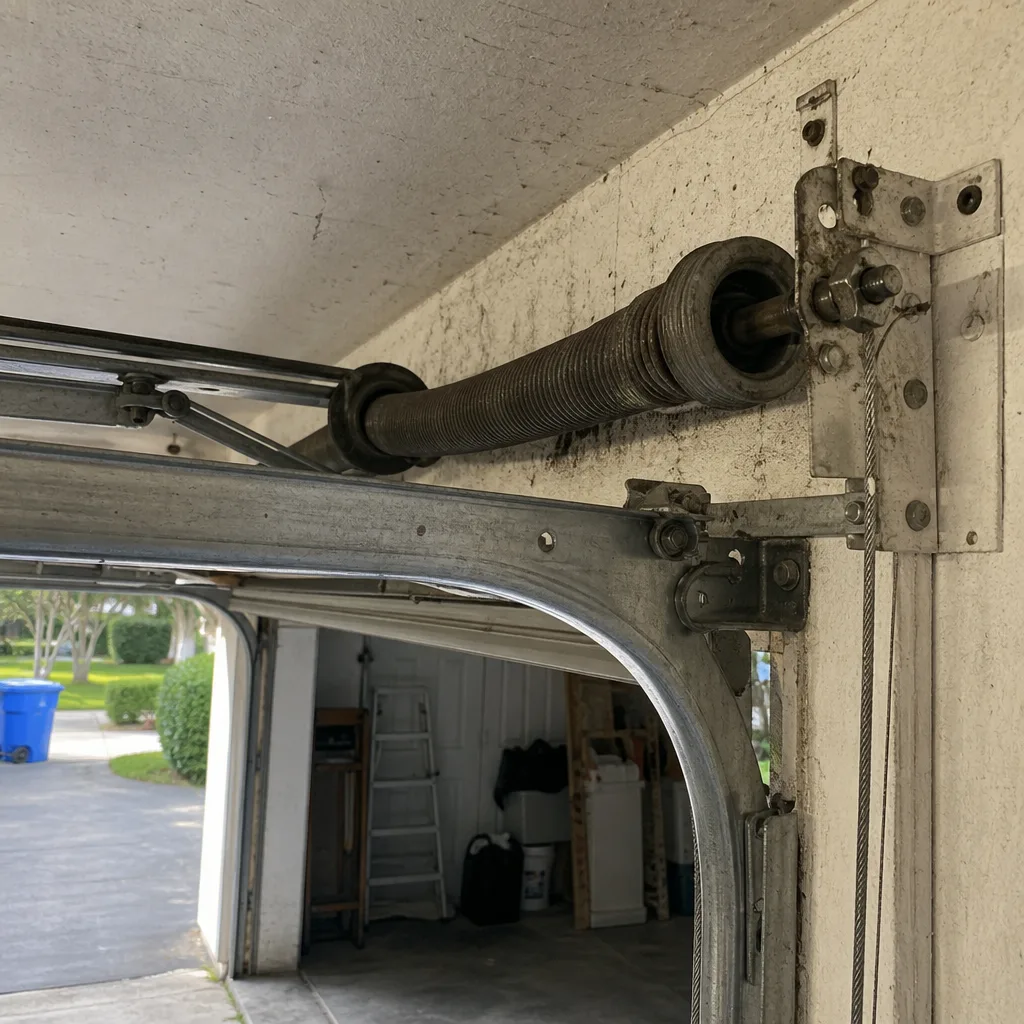 Before
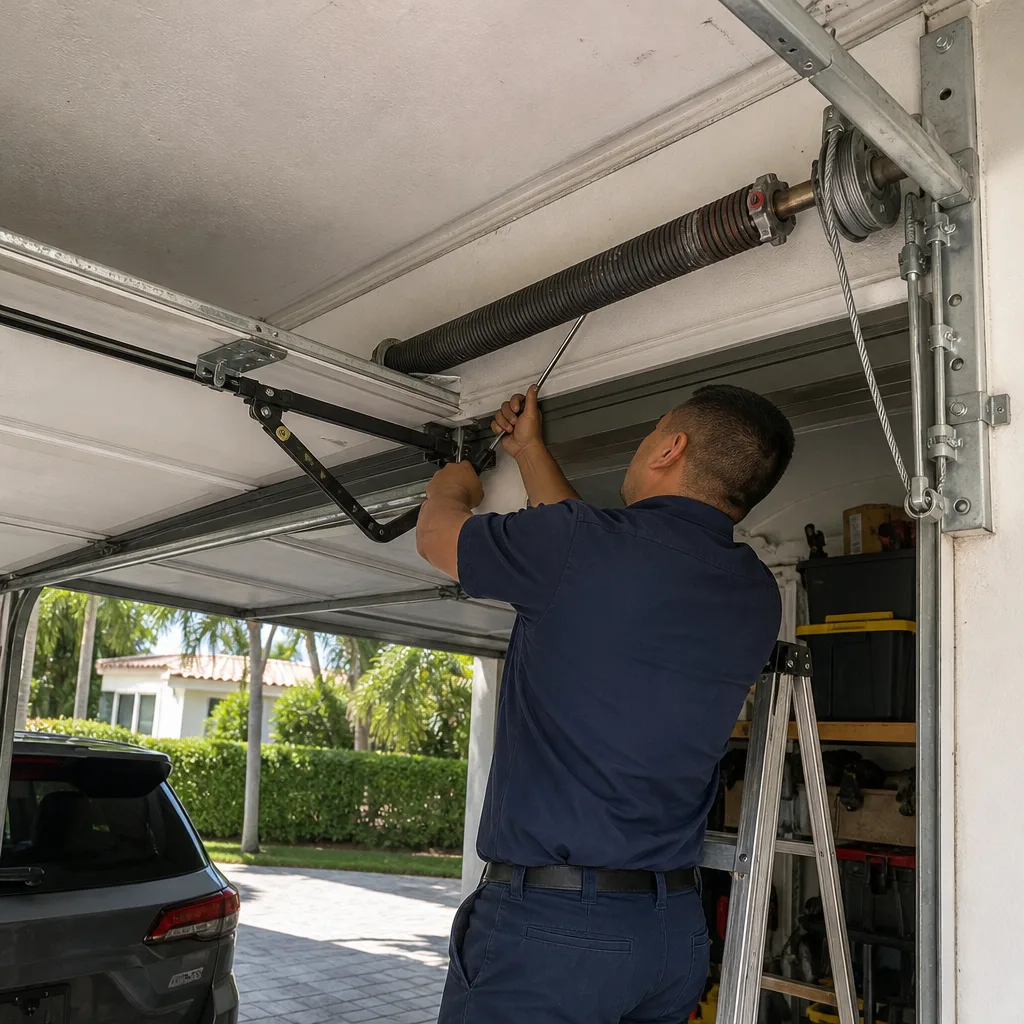 After
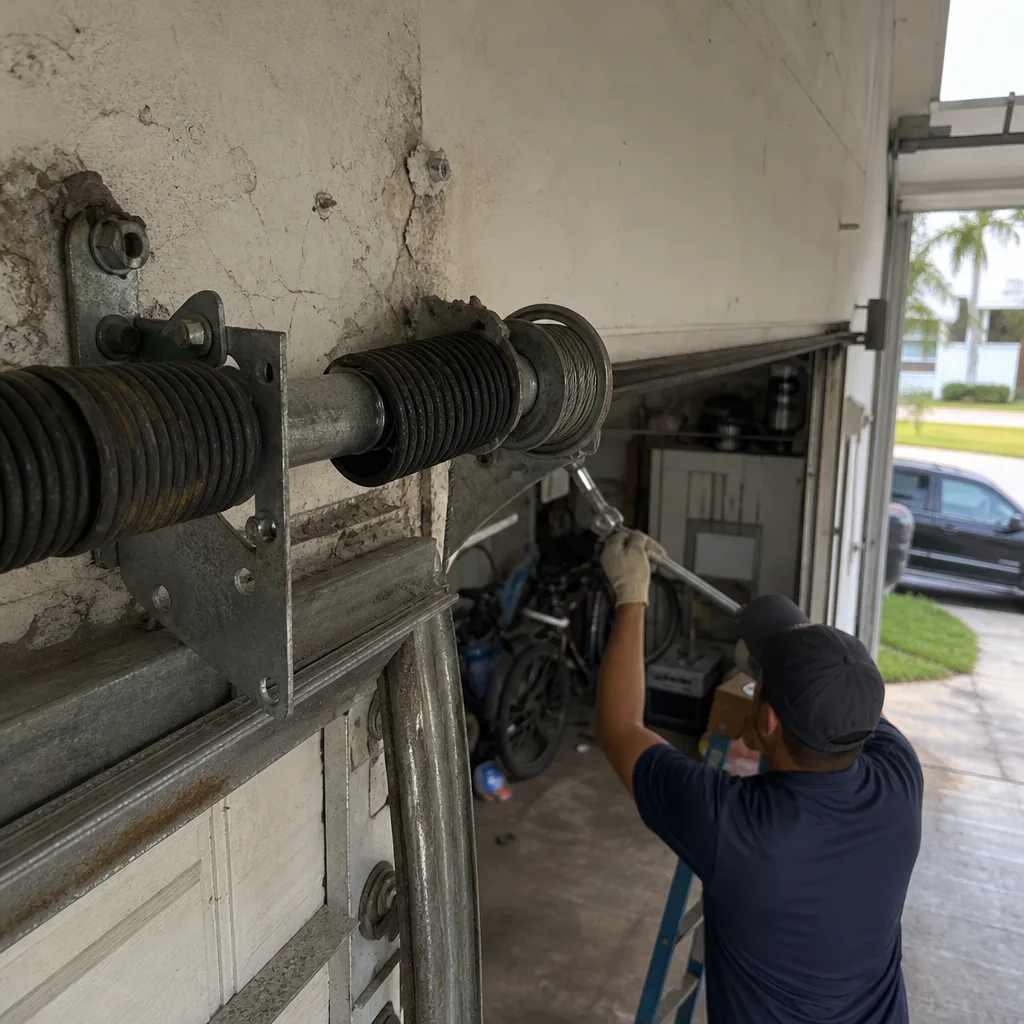 Before
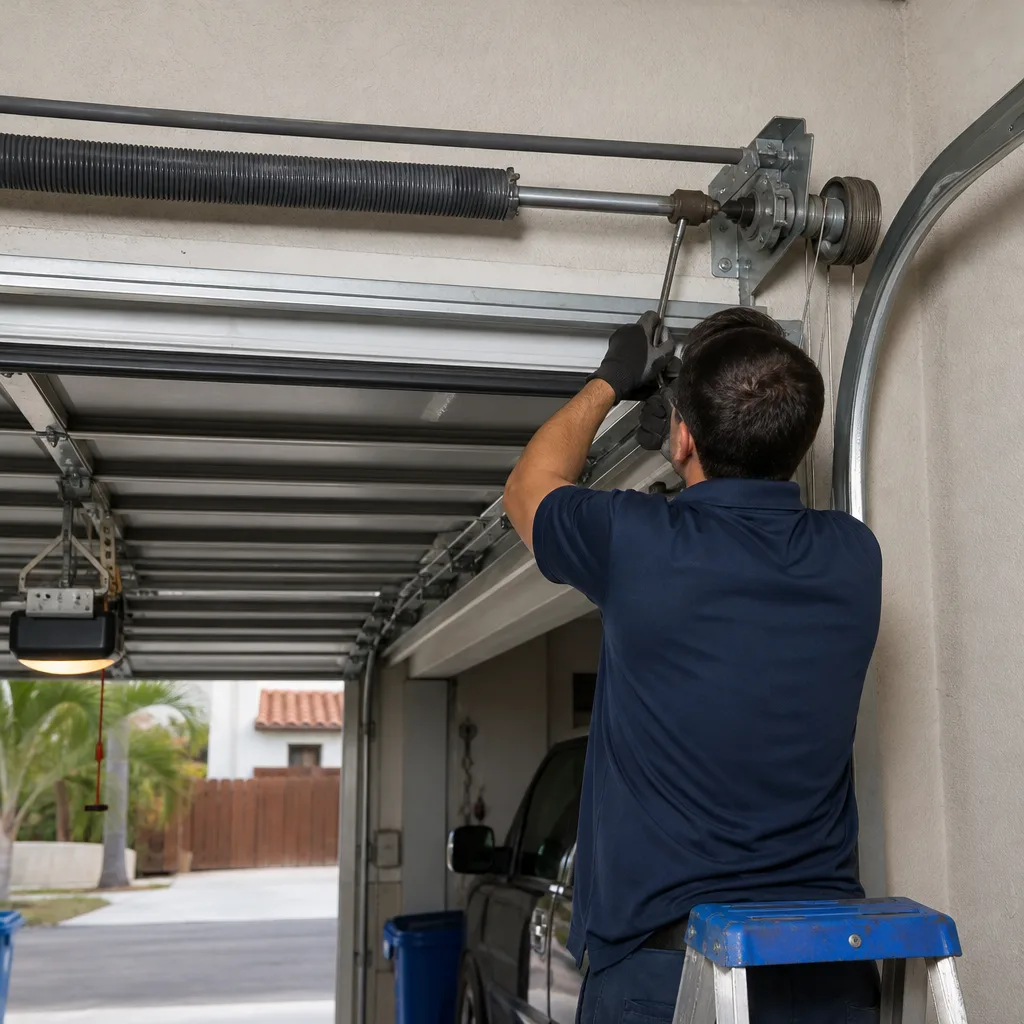 After
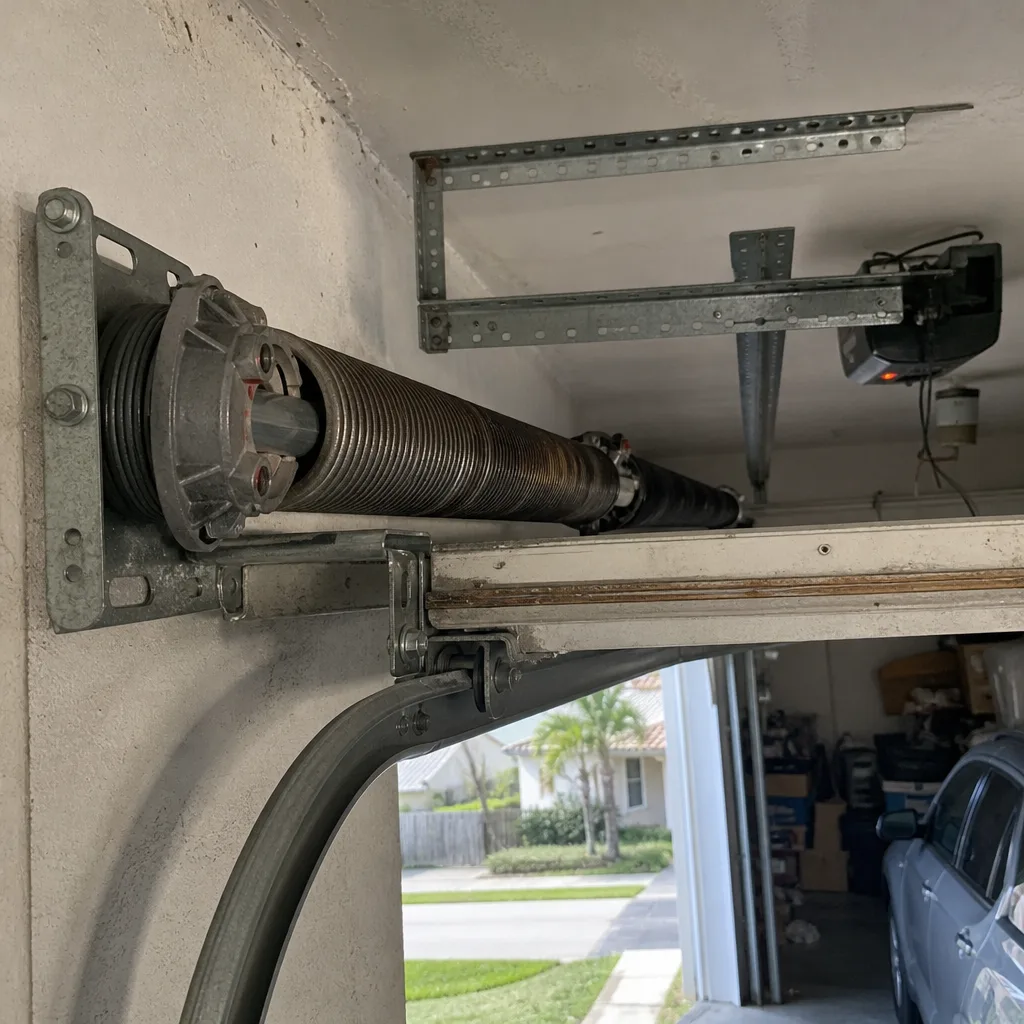 Before
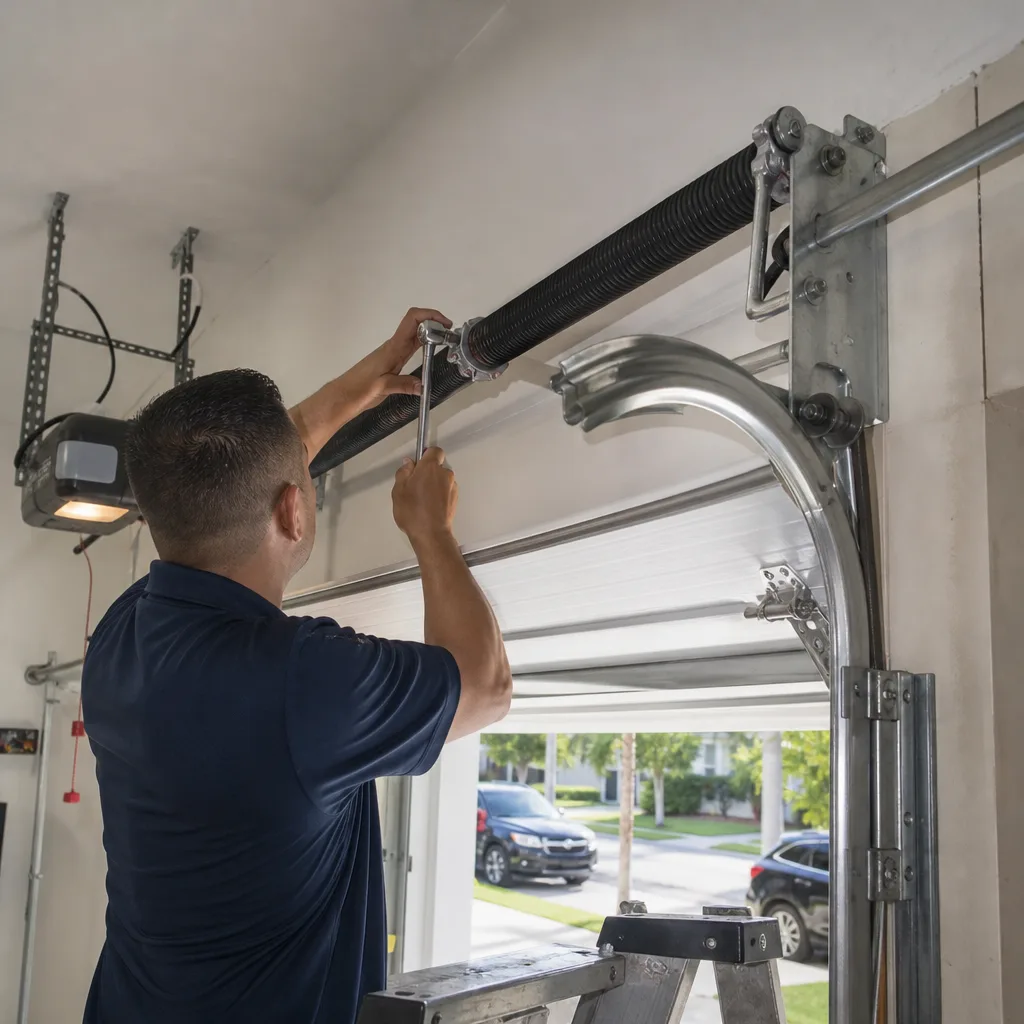 After
Frequently Asked Questions
Seasonal garage door tune-ups in Miami Beach typically cost between $79 and $149 per visit, depending on what’s included. A basic tune-up covers lubrication, hardware tightening, sensor testing, and a visual inspection. If the visit includes a bottom seal replacement or a spring adjustment, the price goes up, but the seal itself usually costs $40 to $80 installed. Call us for an exact quote, estimates are free.
Only if it’s failing or structurally compromised. A well-maintained garage door doesn’t need replacement just because it’s hurricane season. If it’s balanced, the seals are intact, and the hardware is in good shape, a tune-up is enough. If the door is rusted through, warped, or the panels are splitting, then replacement before June 1st is the safer play. We repair when possible and replace when necessary, never the other way around.
Most of the monthly maintenance in this guide, like rinsing the door, lubricating hinges, and testing the auto-reverse, is homeowner-friendly. Anything that involves the torsion springs, the cables, or the track alignment should be handled by a professional. Those components are under tension, and a mistake can cause serious injury. If you’re not sure which category a task falls into, call us and ask; we’ll tell you straight.
Twice a year: once in early May before hurricane season opens and once in early November after it closes. That schedule lines maintenance up with the times of maximum stress on the door instead of arbitrary calendar quarters. If you live within a quarter mile of the ocean, consider a third visit in August.
Yes. Salt air is the most aggressive environmental factor for garage doors in Miami Beach. It corrodes springs, rusts hinges and tracks, and eats through paint on steel doors. Men, the corrosion is constant and cumulative, which is why monthly rinsing and quarterly lubrication make such a measurable difference. Doors that get regular salt mitigation last noticeably longer than doors that don’t.
The most common problem is a snapped torsion spring, usually on a door that hasn’t been inspected in over a year. The spring rusts internally from salt air, weakens, and then snaps under the extra strain of storm-season use. The second most common is a failed bottom seal that lets storm water into the garage, which damages whatever is stored near the door. Both are preventable with the seasonal checks in this guide.
The Bottom Line
Seasonal garage door care in Miami Beach runs on a storm calendar, not a conventional seasonal calendar. The two critical windows are May, when you prepare for hurricane season, and November, when you assess the damage it did. Between those, the monthly habits really matter: salt-air rinsing, quarterly lubrication, regular seal checks, and prompt attention to small problems before they become hurricane-season emergencies. Garage doors are all we do, and the right fix the first time is the standard we work to. If your door hasn’t been checked this season, call (855) 754-6010 for a free estimate, or browse more guides & resources on keeping your door storm-ready.
Written by the team at Top Notch Garage Door Repair, serving Miami Beach since 2014.