
Last updated October 30, 2026
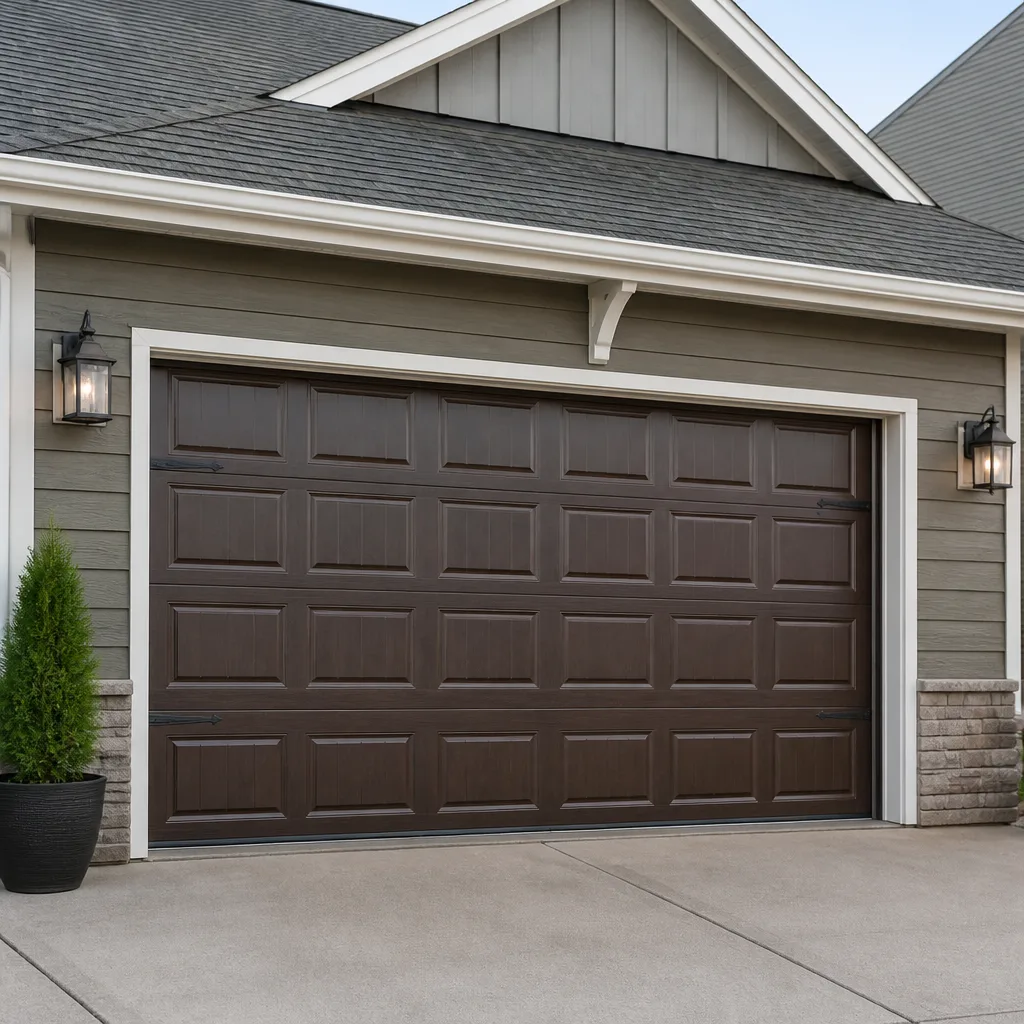 Raised-panel steel
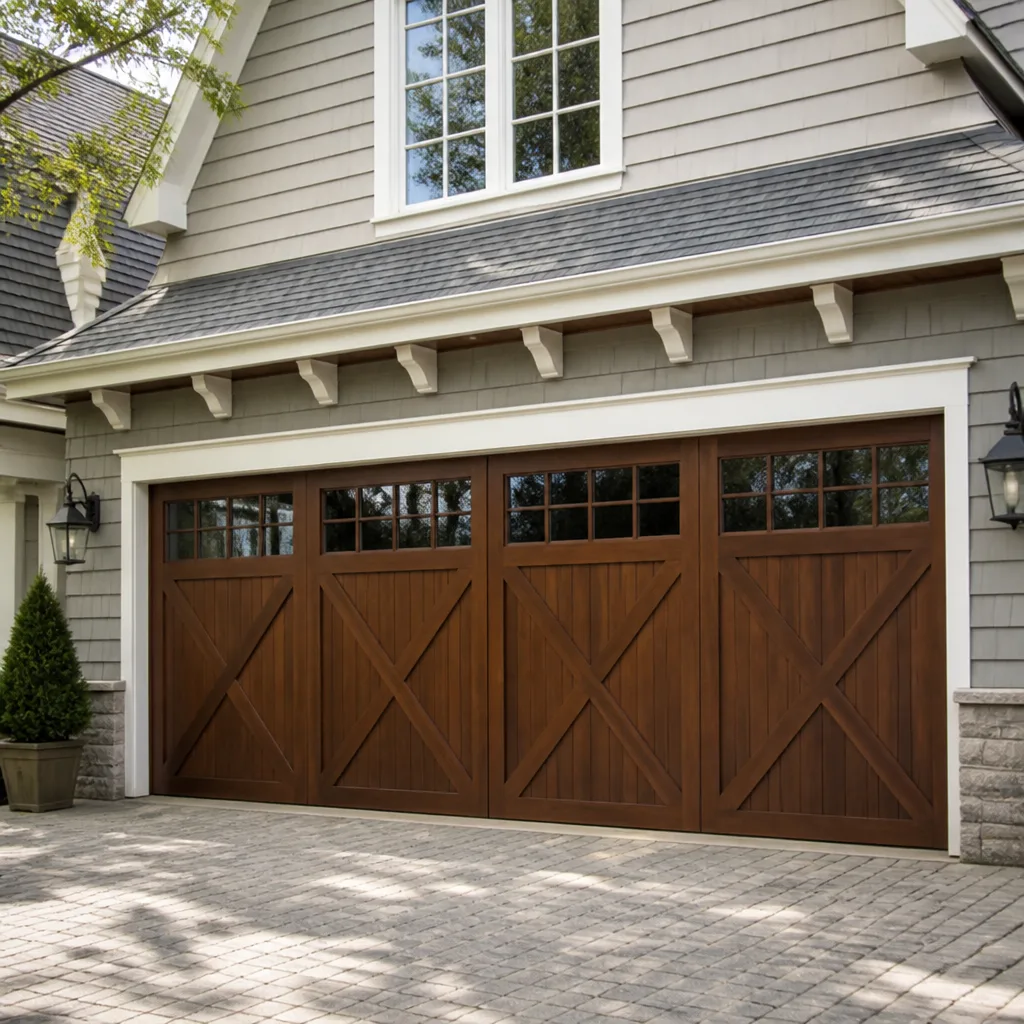 Carriage house
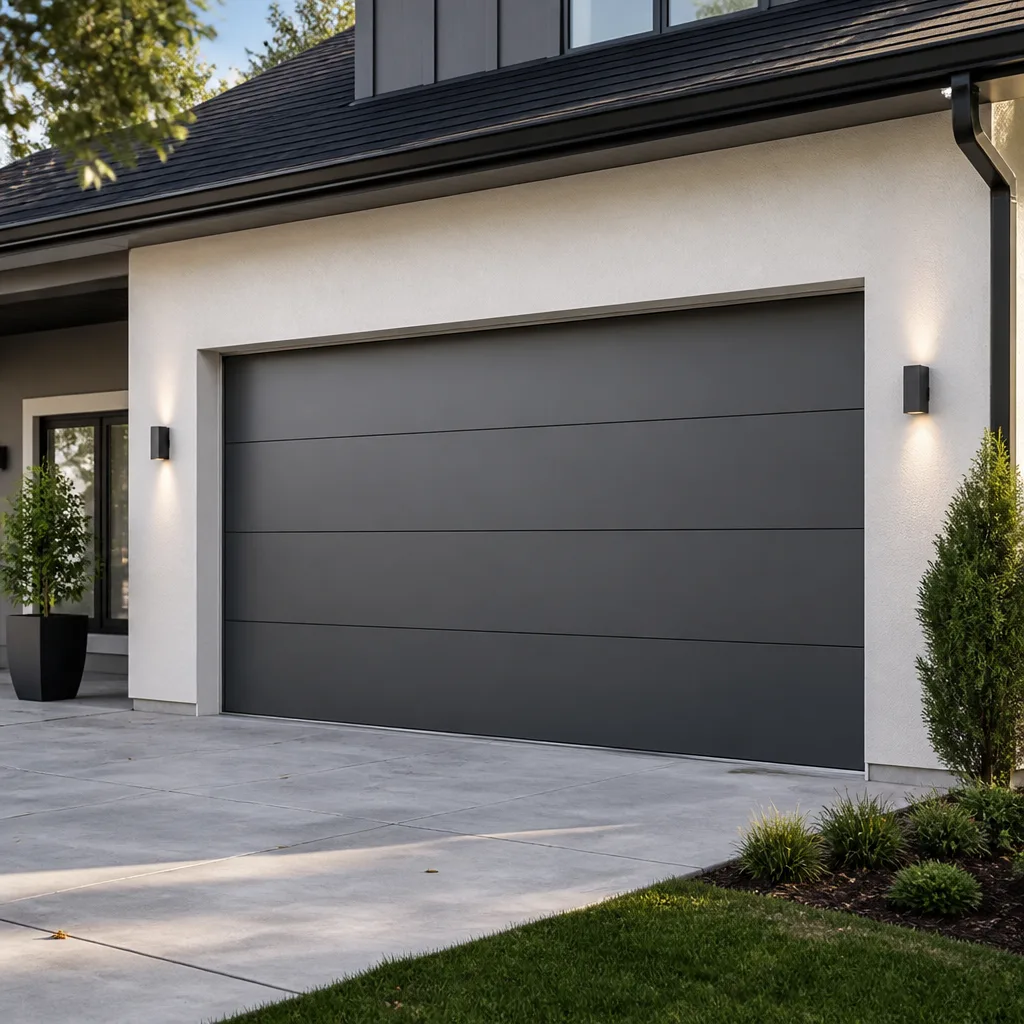 Modern flush
 Full-view glass
 LiftMaster openers
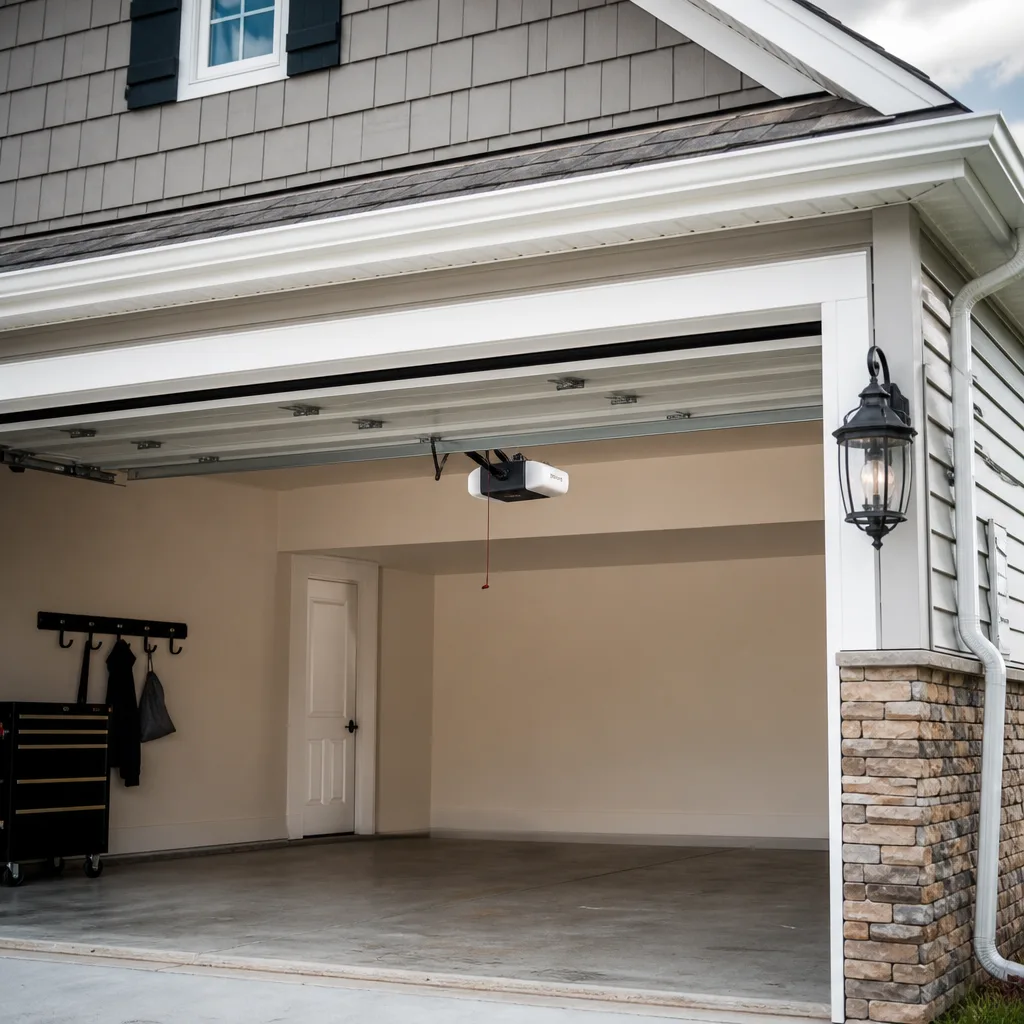 Chamberlain openers
Full 25-point door and opener safety check with every visit - springs, cables, rollers, tracks, and your LiftMaster or Chamberlain opener included
You get a price before we start. It does not change when the truck arrives.
Get your free estimateGarage Door Permits, Codes & Inspections in FL: What You Need to Know
A garage door swap that requires only a simple permit in Tallahassee requires a Miami-Dade product-approved door, a licensed contractor pull, and a passed inspection in Miami Beach. Skip any one step and your wind mitigation discount disappears. That’s not an exaggeration. It’s the single most expensive paperwork mistake we see homeowners make in Miami Beach, and it usually surfaces at the worst possible time: during a home sale or an insurance claim. This guide walks you through exactly when you need a permit in Florida, how Miami-Dade’s stricter rules change the equation, what inspectors actually check, and how to keep your wind mitigation credits intact.
Quick Answer
In most of Florida, a like-for-like garage door replacement on an existing opening generally does not require a permit, but in Miami-Dade County the rules are far stricter: any new door must be product-approved for wind load, and any structural modification, new opening, or door that changes the weight or anchoring system requires a permit, a licensed contractor, and a passed inspection. Even a “simple” replacement can affect your wind mitigation insurance credits if the product approval is missing. When in doubt, call your local building department in Miami Beach before you buy the door.
Styles & brands we work with
Table of Contents
- The Florida Baseline: When a Permit Is Required Statewide
- How Miami-Dade County Changes the Rules
- Product Approval Numbers: The Database That Saves You Thousands
- Florida Building Code Chapter 16: Wind-Load Rules in Plain English
- What the Garage Door Inspection Actually Checks
- Permitted vs. Unpermitted Work: Insurance, Resale, and Wind Mitigation Credits
- Common Mistakes to Avoid
- When to Call a Professional
- Frequently Asked Questions
The Florida Baseline: When a Permit Is Required Statewide
Florida’s permit requirements for garage doors come from the Florida Building Code (FBC), specifically the residential volume. Here’s the short version: if you’re replacing a garage door with one of the same size, weight, and anchoring method on an existing opening, most Florida jurisdictions treat that as maintenance, not construction. No permit needed. But if you’re enlarging the opening, adding a new door where one didn’t exist, converting a carport to a garage, or changing the door in a way that affects the structural load path, you need a permit. The line is drawn where the structure is touched.
Here’s the breakdown homeowners usually need:
- Like-for-like replacement: Same opening dimensions, same door weight class, same track and spring configuration. Generally no permit in most Florida counties. But Miami-Dade is the exception, as we’ll cover below.
- New opening or enlargement: Always requires a permit. You’re cutting into a load-bearing wall, installing a new header, and changing the structural frame. This is a structural permit, not a garage door permit.
- Changing the door type: Swapping a sectional steel door for a heavy wood carriage door changes the weight on the tracks, springs, and header. That can trigger a permit requirement in many jurisdictions because the anchoring and counterbalance system has to be re-engineered.
- Adding hurricane reinforcement: Retrofitting an existing door with bracing or upgrading to a wind-rated door may require a permit in some counties, especially if the work changes the anchoring points.
The practical takeaway: if you live in Florida but outside Miami-Dade or Broward, a straightforward replacement with the same specs might not need a permit. But “might not” is doing a lot of work there. Our advice is to call the local building department before you buy anything. It takes ten minutes and it eliminates a category of surprise that no homeowner wants.
For readers in Miami Beach, the calculation changes entirely. Keep reading.
How Miami-Dade County Changes the Rules
Miami-Dade County operates under the High Velocity Hurricane Zone (HVHZ) provisions of the Florida Building Code. That’s a separate section of the code that applies only to Miami-Dade and Broward counties. It exists because the wind speeds here are higher than anywhere else in Florida: the code assumes a 175 mph design wind speed in much of Miami-Dade, compared to 140 to 150 mph in places like Tallahassee or Jacksonville.
What that means in practice is straightforward. In Miami Beach, you cannot install a garage door that hasn’t been tested and approved for the HVHZ wind load. The door itself, the anchoring system, the tracks, and the hardware all have to bear a Miami-Dade County product approval number. A door sold and installed legally in Central Florida may be completely uninstalable in Miami Beach. It’s not a nuance of the trade; it’s a hard legal line.
Here’s what changes in Miami-Dade specifically:
- Product approval is mandatory: Every garage door installed in Miami-Dade must be listed in the county’s product control database with a valid approval. No approval means no legal installation, period.
- Even like-for-like replacements need scrutiny: In many Florida jurisdictions, a like-for-like swap is permit-exempt. In Miami-Dade, the replacement door still has to carry product approval. You may not need a permit for a pure like-for-like swap, but if the new door is not product-approved, you’ve created a code violation even without touching the structure.
- Contractor licensing is stricter: Miami-Dade requires any contractor pulling a garage door permit to hold a valid license recognized by the county’s Construction Trades Qualifying Board. The unlicensed handyman who can legally do the work in other states and some Florida counties is off the table here.
- Inspections are not optional: When a permit is issued, the inspection is mandatory. Fail the inspection and the work is not closed out. That open permit becomes a title issue when you sell.
The narrower line in Miami-Dade is this: if your replacement door changes the weight by more than a nominal amount, changes the anchoring system, or modifies the track assembly, you cross from “replacement” into “alteration,” and an alteration requires a permit and inspection in Miami Beach. We’ve had property owners in neighborhoods like Normandy Isle and North Bay Village assume a steel-to-steel swap is automatically exempt, only to learn the new door’s anchoring pattern required a permit after the fact—one of the Garage Door Warning Signs: A Miami Beach Homeowner’s Reference Guide covers in detail. That discovery usually happens at resale, and it’s never cheap to unwind.
Product Approval Numbers: The Database That Saves You Thousands
Before you buy any garage door in Miami Beach, look up its product approval number in the Miami-Dade County Product Control database. This is the most important pre-purchase step you’ll take, and it takes less than five minutes once you know where to look. The database is publicly accessible through the Miami-Dade County website under the Building and Neighborhood Compliance department, in the Product Control section.
Here’s how to use it, step by step:
- Go to the Miami-Dade Product Control search page. You can search by manufacturer name, product category (garage doors), or product approval number if you already have one.
- Find the exact door model you’re considering. The listing will show the maximum panel width and height the approval covers, the wind load rating, and the required anchoring system for that specific door.
- Verify the approval is current. Approvals can be suspended or revoked. A door that was legally installable in 2019 may have lost its approval after a product recall or a revised engineering standard. Check the status, not just the number.
- Print or save the approval document. This is the document your inspector will want to see, and it’s the document your insurance company may ask for when you apply for wind mitigation credits.
- Match the approval to your exact door size. Approvals are size-specific. A product approval for a 16×7 door doesn’t cover a 16×8. The inspector will check dimensions against the approval.
The reason this matters so much is that the product approval number is the legal bridge between the door and the building code. A door without an approval number is, in the eyes of Miami-Dade County, a door that hasn’t been proven to withstand the wind loads the code requires. You can spend $4,000 on a beautiful wood door, have it installed perfectly, and still fail inspection because the door itself was never tested for Miami-Dade wind speeds. The database check costs you nothing and prevents you from buying a door you legally cannot install.
We work with doors from LiftMaster, Chamberlain, Genie, Clopay, and other major manufacturers. The product approval question is one of the first things we check when a customer in Miami Beach asks us to install a door they’ve already purchased. If the approval isn’t there, we tell them before any work happens. It’s not a surprise anyone should discover at inspection.
Florida Building Code Chapter 16: Wind-Load Rules in Plain English
The wind-load rules in Chapter 16 of the Florida Building Code are written in engineering language. Here’s what they actually mean for your garage door in Miami Beach.
The code requires structures in the High Velocity Hurricane Zone to resist wind speeds up to 175 mph in Miami-Dade County, depending on the specific location and building height. For a single-family home in Miami Beach at ground level or slightly above, the design wind speed is typically 170 to 175 mph. The garage door is considered part of the building envelope, which means it carries the same wind resistance requirement as your front door, your windows, and your roof.
Practically, that translates into a few concrete requirements for the door itself:
- Panel strength: The door panels must be tested to resist wind pressure without permanent deformation. For a 16-foot-wide door, the total area exposed to wind is nearly 112 square feet. At 175 mph, the total load on that door is tens of thousands of pounds across the face.
- Anchoring system: The tracks and mounting brackets must be attached to the wall with anchors rated for the wind load. The number, size, and embedment depth of those anchors are specified in the product approval. Skimping on anchors is the most common code violation we see on DIY and handyman installations in Miami Beach.
- Latching and jamb brackets: The door’s guide tracks have to be attached to the jambs with brackets that resist both positive and negative wind pressure. Negative pressure is the suction force that tries to pull the door outward during a hurricane. Most people think about wind pushing in. The code is just as concerned about wind pulling out.
- Impact resistance: If your garage door contains glazing (windows), the glazing must be impact-resistant or protected by an approved shutter system. A non-impact-rated glass panel in the door can fail during a storm and create an opening for positive pressure that can lift your roof.
When a permit is pulled in Miami Beach, the inspector is checking for compliance with these exact requirements. The product approval document tells the inspector which anchors should be used, how many, where they go, and what size. If the installation doesn’t match the approval, the inspection fails even if the door itself is perfectly functional.
What the Garage Door Inspection Actually Checks
In Miami Beach, a permitted garage door installation triggers an inspection once the work is complete. The inspection is done by a county or municipal building inspector, and it’s specifically focused on wind-load compliance and the structural connection between the door and the building. Here’s what the inspector is looking for, in the order they typically check it:
- Permit documentation: The permit card must be posted on-site and the inspection must be scheduled through the proper channel. This sounds obvious, but missing paperwork is an avoidable failure we see too often.
- Product approval match: The inspector will compare the installed door’s make, model, and size against the product approval number listed on the permit application. A 16×8 door where the approval covers only 16×7 fails immediately, regardless of how well it’s installed.
- Anchor verification: The inspector checks that the track brackets are anchored with the type, size, and spacing the approval requires. This means they may count brackets, check anchor diameter, and verify embedment into the structural framing, not just the drywall or stucco.
- Jamb connection: The door’s vertical tracks must be attached to the wall jamb with the specified brackets at the specified intervals. Improvised brackets or missing fasteners are a direct code violation.
- Door operation: Once the structural checks are done, the inspector verifies the door opens and closes properly, and that the safety reversal system functions. This includes the photo-eye sensors, which must be mounted no higher than 6 inches from the floor.
- Wind-load compliance documentation: The approved product control document should be on site and available for the inspector to review. If you’re working with a licensed installer, they should have this document in hand at inspection.
The specific failure points inspectors cite most often on garage door installs in Miami Beach, from what we’ve seen in the field:
- Wrong or missing product approval number: The door installed doesn’t match the door permitted.
- Insufficient anchoring: The bracket spacing or anchor diameter doesn’t meet the approval requirements. This is especially common when a handyman reuses existing anchor holes instead of drilling new ones to spec.
- Non-compliant glazing: The door has glass panels that aren’t impact-rated, and the approval doesn’t cover them.
- Safety sensor issues: Photo-eyes mounted too high, misaligned, or bypassed. This is a safety violation under UL 325 and it fails inspection in every Florida jurisdiction.
- Unapproved hardware substitutions: The installer swapped the specified track or bracket set for a generic alternative to save money. The inspector will compare the hardware to the approval document and flag any substitution.
None of these failures require a complete redo in most cases, but all of them require a correction and a re-inspection, which adds time and cost. The cleanest installs we do in Miami Beach are the ones where the permit was pulled before the door arrived and the product approval was verified before the old door came off the tracks, as outlined in our Garage Door Repair Maintenance Checklist for Miami Beach Homeowners.
Permitted vs. Unpermitted Work: Insurance, Resale, and Wind Mitigation Credits
Here’s the part that actually costs money: the difference between a permitted, inspected, product-approved garage door installation and an unpermitted one in Miami Beach shows up in two places, and neither one is cheap.
Wind mitigation credits. Florida’s insurance market is built on the wind mitigation inspection. A certified inspector evaluates your home’s wind-resistance features, including your garage door, and assigns credits that reduce your premium. A garage door that meets the Miami-Dade product approval requirements with documented anchoring earns you a credit. A door that was installed without a permit, without a product approval, or without documentation earns you nothing. In Miami Beach, where windstorm premiums are already among the highest in the state, the difference between a credited and non-credited garage door can run into the hundreds of dollars per year. Over the life of a policy, it’s often four figures.
Resale and title. When you sell a home in Miami-Dade, the closing process includes a search for open permits and unpermitted work. An unpermitted garage door installation shows up as a discrepancy between the county’s property records and the actual condition of the home. The buyer’s lender can flag it. The buyer’s insurance company can flag it. And in many cases, the seller has to either pull a retroactive permit (which requires opening up finished work for inspection) or offer a credit to the buyer to cover the cost of bringing the work into compliance. We’ve had customers in Miami Beach call us after a sale fell through for exactly this reason. Fixing it after the fact is always more expensive than doing it right the first time.
The title search in Miami Beach will also catch open permits that were never closed. If you had a permit pulled for a garage door replacement and the inspection was never scheduled, that permit stays open indefinitely. Open permits are a defect on title. They have to be closed before the sale can proceed. The fix is usually simple if the work was done correctly: schedule the inspection, pass it, close the permit. But if the work was not done to code, you’re now looking at remediation before you can sell.
Our advice to anyone in Miami Beach buying a home with a garage: check the garage door’s permit history as part of your due diligence. Ask for the product approval number. If the seller can’t produce it, that’s a negotiating point and a future repair item. And if you’re the seller, get your garage door paperwork in order before you list. It’s far cheaper to close a permit or correct a code issue before the buyer’s inspector finds it.
This is also where working with a Top Notch Garage Door Repair home specialist pays off. We’ve handled enough Miami Beach installs to know exactly which doors carry product approval and which ones don’t, and we do the permit and inspection work as part of the job. You don’t have to become a code expert before you replace your door. You just have to work with someone who already is.
Common Mistakes to Avoid
- Buying the door before checking product approval. A homeowner in Miami Beach finds a deal on a door online, buys it, and then discovers it has no Miami-Dade product approval. The door is unusable, and restocking fees eat the savings. Check the approval before you pay.
- Assuming like-for-like means no permit in Miami-Dade. A same-size steel door swap may not need a permit in Miami-Dade, but it does need product approval. And if the weight or anchoring changes, a permit is triggered. The line is narrower than most people think.
- Reusing old anchor holes. The new door’s approval may specify different anchor spacing or diameter than the old door. Reusing existing holes because it’s faster produces a fastening pattern that doesn’t match the approval, and that fails inspection.
- Installing a non-impact-rated door on a wind-mitigation property. If your home is already earning wind mitigation credits, swapping to a door without approval can reduce or eliminate those credits at your next insurance renewal. The door you choose affects your premium.
- Bypassing the permit to save $200. The permit fee is small compared to the cost of an open permit on title or a retroactive permit after a failed sale. Skipping it saves pennies and risks thousands.
- Working with an unlicensed installer. In Miami-Dade, only a properly licensed contractor can pull a garage door permit. A handyman without the right license can’t legally do the work, which means your installation is unpermitted from the first day.
- Losing the product approval documentation. That document is what your inspector checks and what your insurance company may request for wind mitigation credits. Lose it and you may have to re-pull it from the county database, which is doable but can delay an inspection or a closing.
For readers in Miami Beach specifically: this list applies to you without exception. Other parts of Florida have more lenient rules, but the High Velocity Hurricane Zone provisions don’t allow shortcuts. If you’re replacing a garage door in Miami Beach, treat product approval and permit compliance as part of the price of the job, not optional extras.
When to Call a Professional
If your garage door project in Miami Beach involves any of the following, do not attempt it yourself: a new opening, an enlargement, a change in door weight or type, a retrofit for wind rating, or any installation in a home earning wind mitigation credits. The code requirements are specific, the inspection process is strict, and the cost of getting it wrong is not measured in one trip to the hardware store. It’s measured in failed inspections, denied insurance credits, and title problems.
Garage Door Installation in Miami Beach is work we do to code from the start, including the permit pull, the product approval verification, and the inspection coordination. If you already have a door that needs repair rather than replacement, our Garage Door Repair in Miami Beach service keeps your existing door in working order without triggering permit requirements, as long as the work does not change the door’s structural characteristics. And if your opener is the problem, Garage Door Opener Repair in Miami Beach handles the automation side without touching the structural envelope.
Top Notch Garage Door Repair offers free estimates in Miami Beach. Call (855) 754-6010 and we’ll tell you exactly what your project requires before you spend a dollar.
Frequently Asked Questions
A like-for-like replacement with a product-approved door may not require a permit, but any change to the door’s weight, anchoring, or structural opening does. Even when a permit isn’t required, the door itself must carry a Miami-Dade product approval number. If you’re not sure, call us at (855) 754-6010 and we’ll figure it out before any work starts.
A product approval number is a unique identifier in the Miami-Dade County Product Control database that certifies a specific door model and its hardware have been tested to withstand High Velocity Hurricane Zone wind loads. The door, tracks, brackets, and anchors are all covered under a single approval. Every garage door installed in Miami Beach must have one.
Search the Miami-Dade County Product Control database by manufacturer or model. The listing will show the approval status, wind load rating, and the exact sizes and anchoring systems covered. Print the approval document and keep it with your home records. If the door is not in the database, it cannot be legally installed in Miami Beach.
The inspector will cite the specific violations, usually related to anchoring, product approval mismatch, or safety sensors. You’ll correct the issues and schedule a re-inspection. The permit remains open until the inspection passes, and an open permit is a title defect when you sell. Working with an installer who handles the correction quickly is the fastest way to close it out.
Yes. Wind mitigation credits are tied to documented, inspected, product-approved installations. An unpermitted or non-approved door earns no credit and can reduce credits you already have, increasing your windstorm premium. In Miami Beach specifically, where premiums are high, this can cost hundreds per year.
You can list it, but the closing process will likely surface the unpermitted work in the title search. You’ll be required to pull a retroactive permit, correct any code violations, and pass inspection before closing, or offer the buyer a credit for the same. It’s always cheaper to do it right before you list. Call (855) 754-6010 for a free assessment.
The Bottom Line
Garage door permits in Florida are simple on paper: like-for-like replacements generally don’t need one. But Miami-Dade County’s High Velocity Hurricane Zone rules reset the entire conversation. In Miami Beach, the door you buy must carry a Miami-Dade product approval, the work must be done by a licensed contractor when a permit is required, and the inspection must pass before the permit closes. Skip any part of that chain and the cost shows up later, in your insurance premium, at your closing, or both. Check the product approval before you buy. Pull the permit when the work requires it. Keep the documentation. And if you’d rather not navigate any of it alone, Top Notch Garage Door Repair handles the entire process in Miami Beach, from product approval verification to final inspection. For more guides & resources, visit our blog.
Written by the team at Top Notch Garage Door Repair, serving Miami Beach since 2014.
See the difference
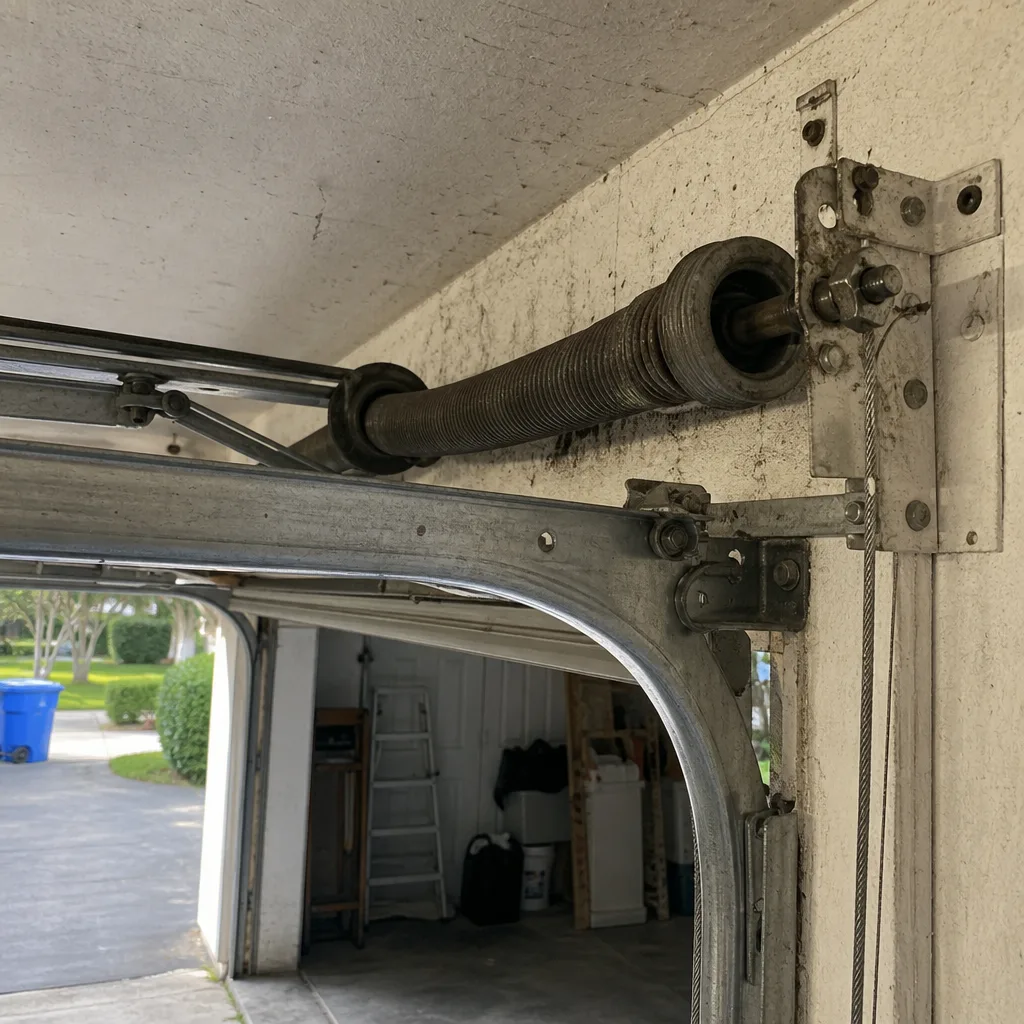 Before
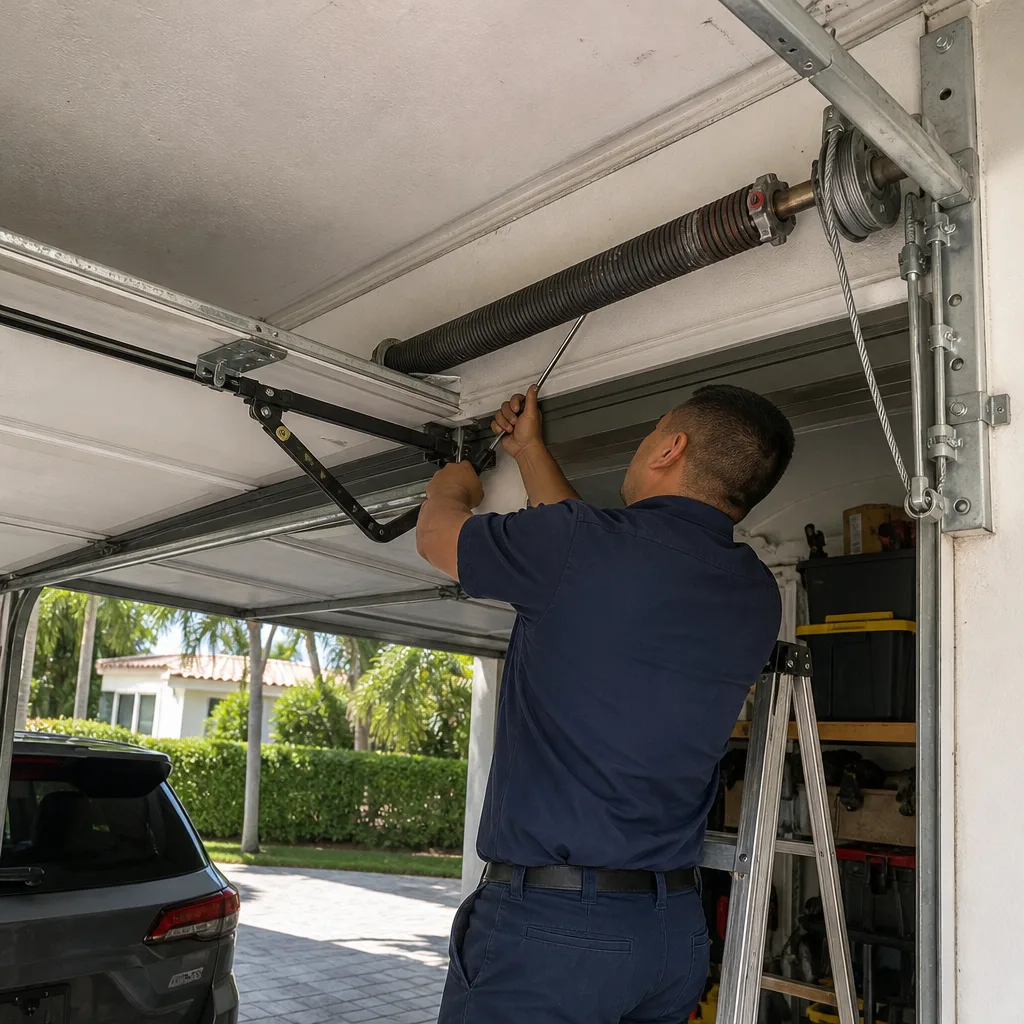 After
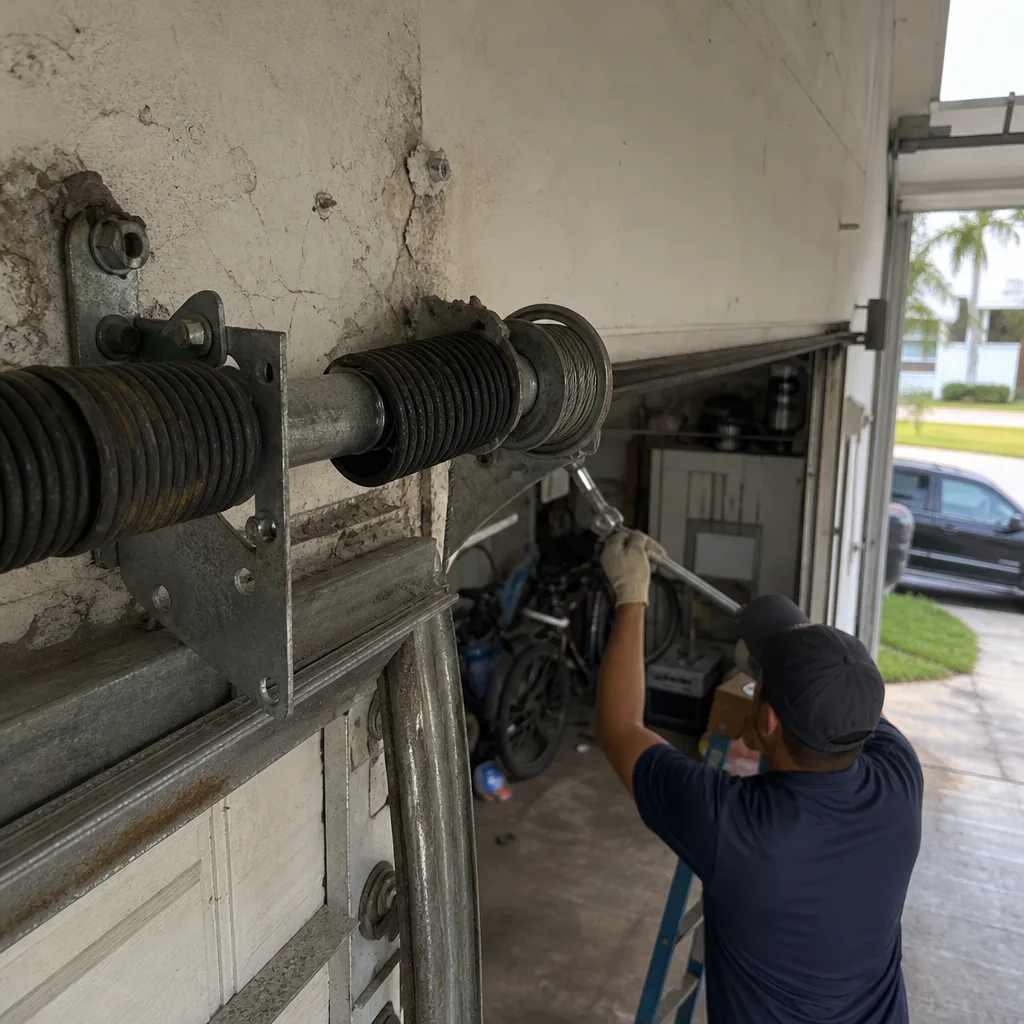 Before
 After
 Before
 After