
Last updated October 30, 2026
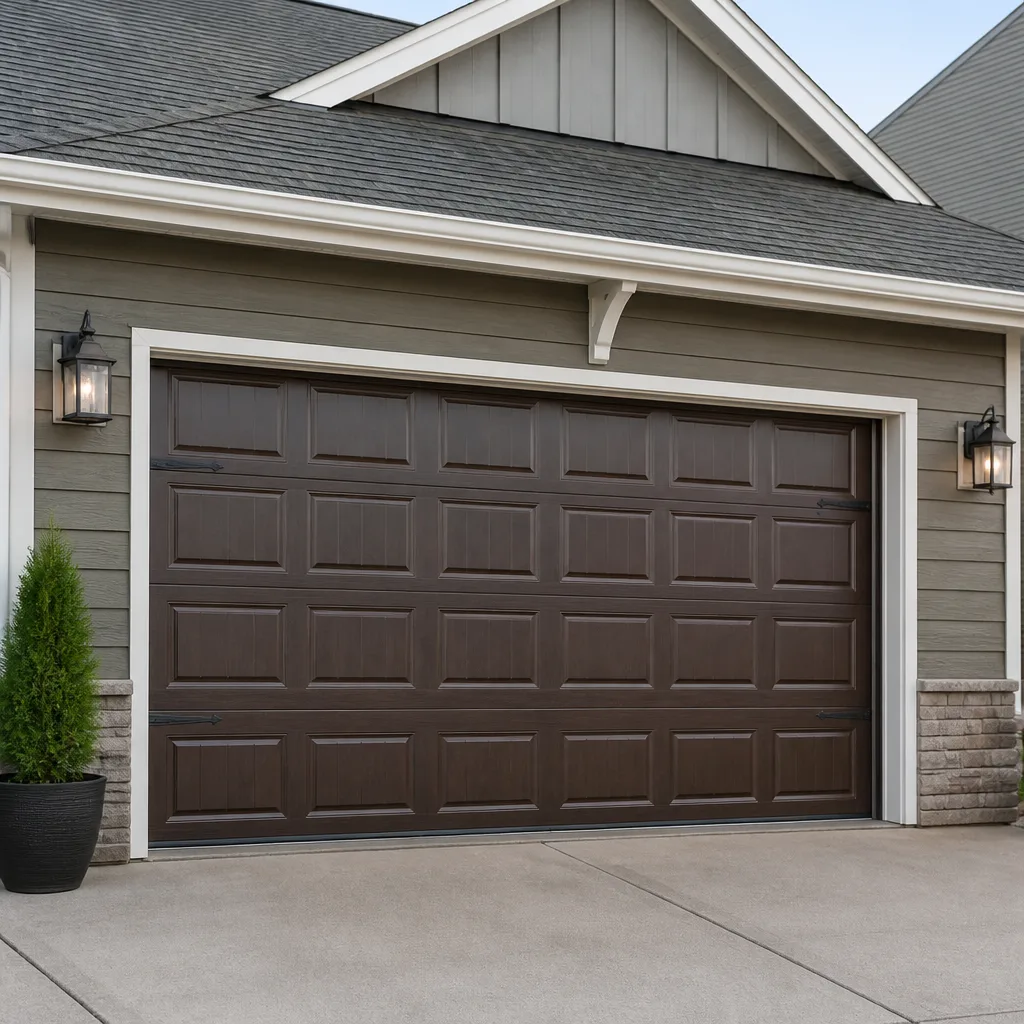 Raised-panel steel
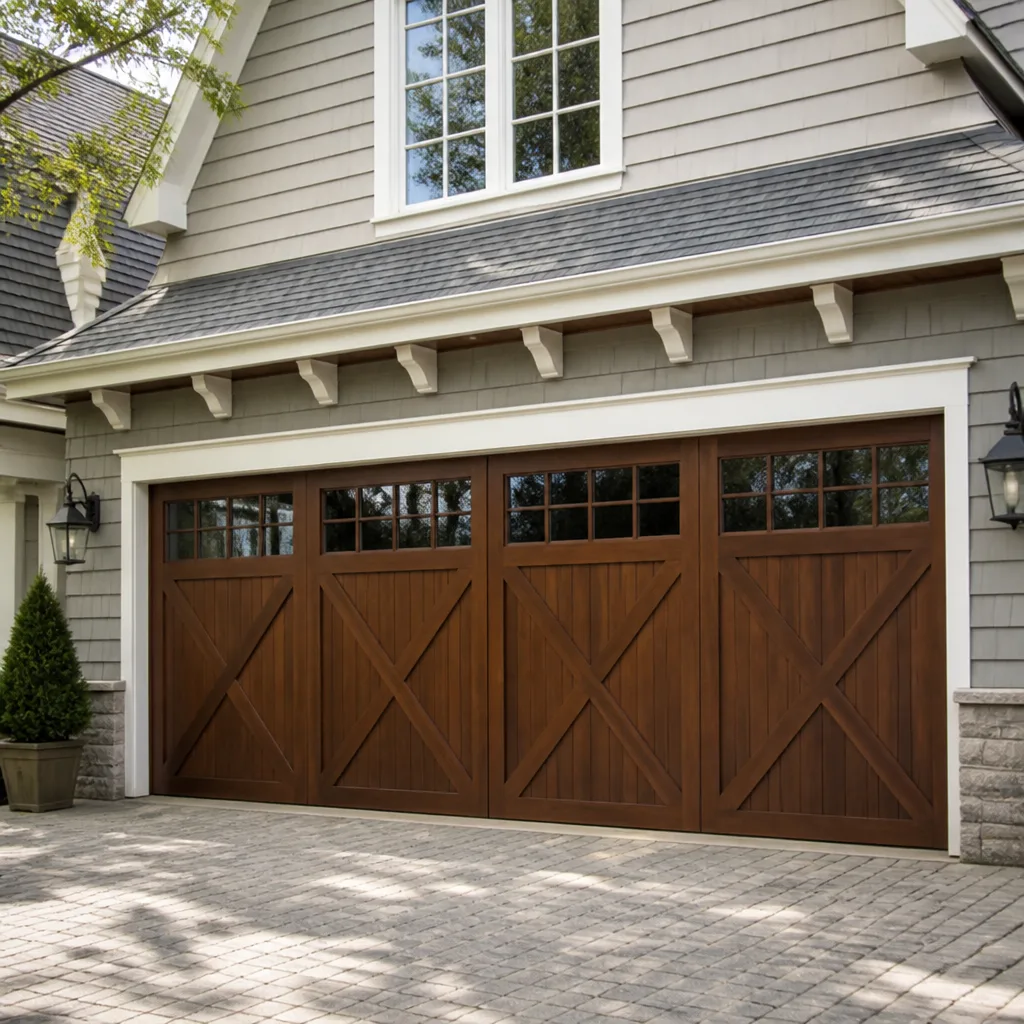 Carriage house
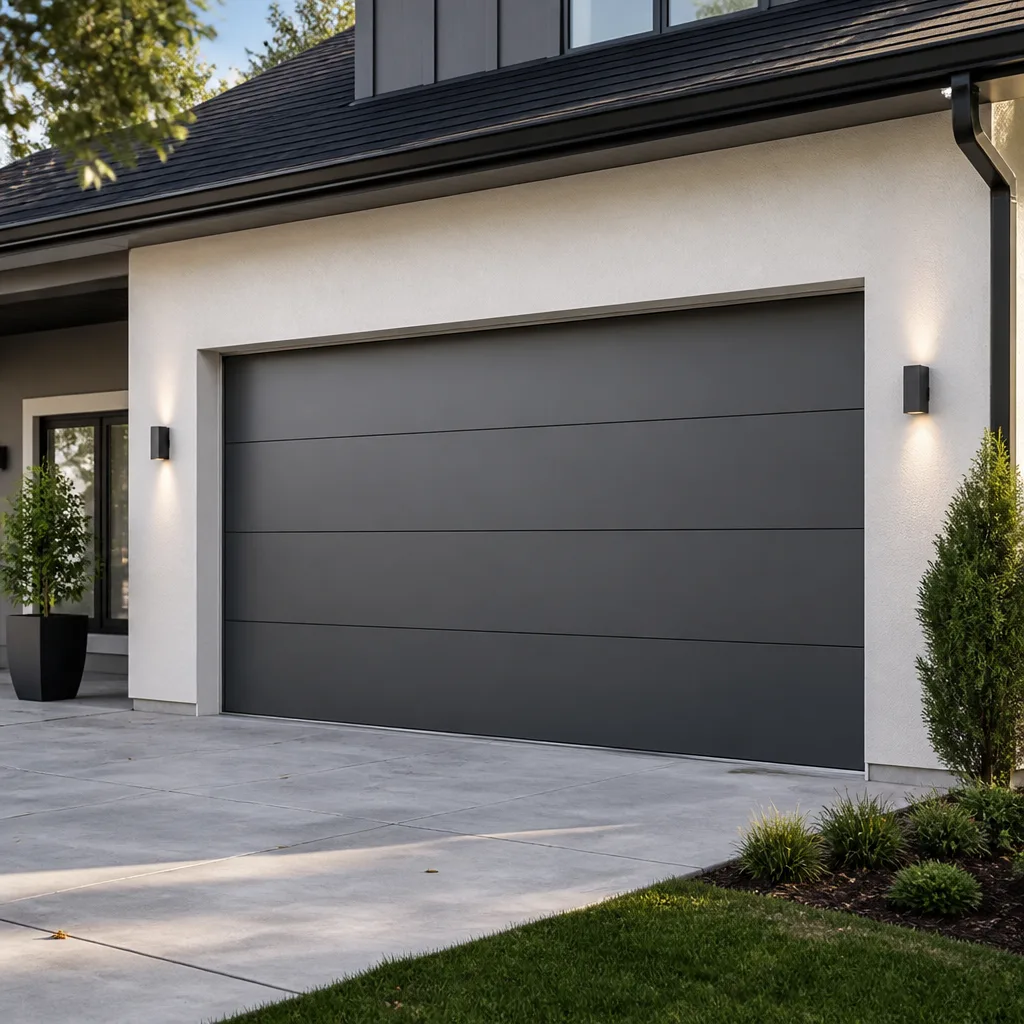 Modern flush
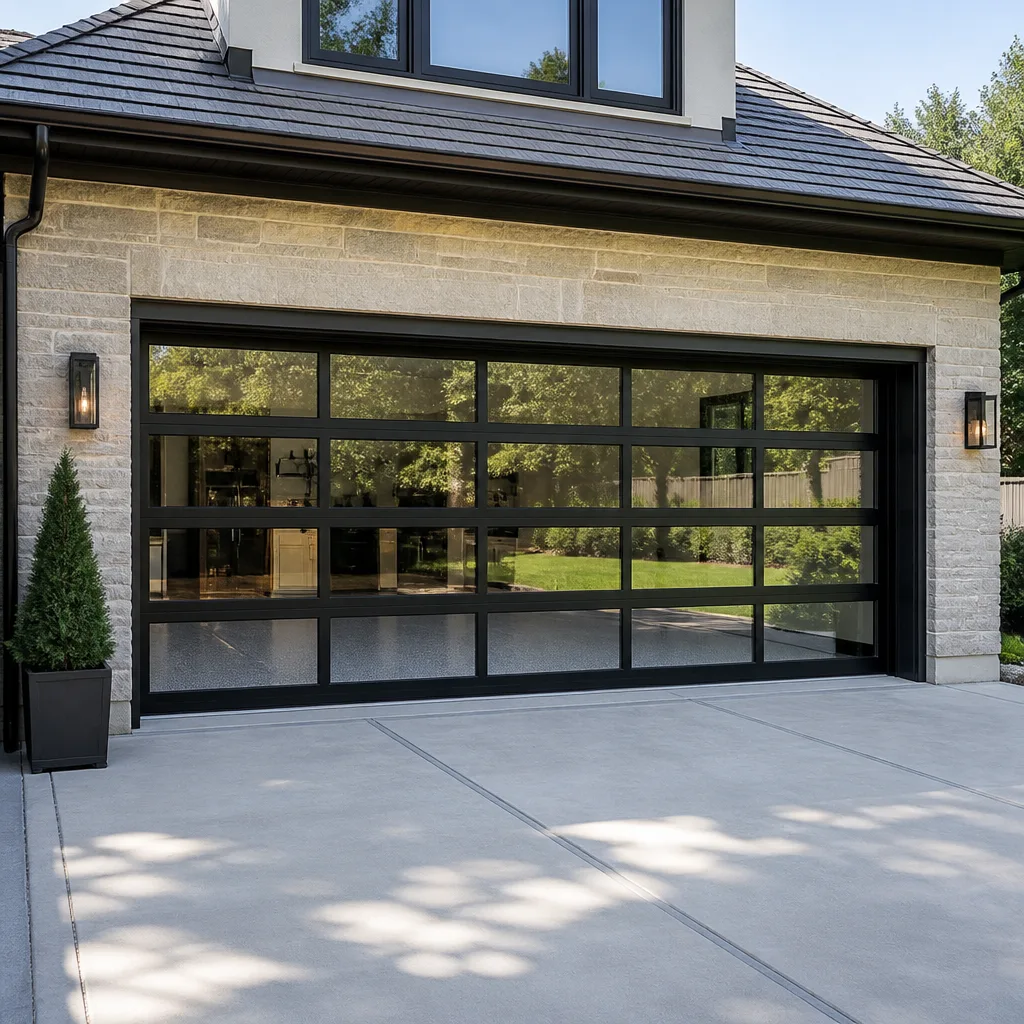 Full-view glass
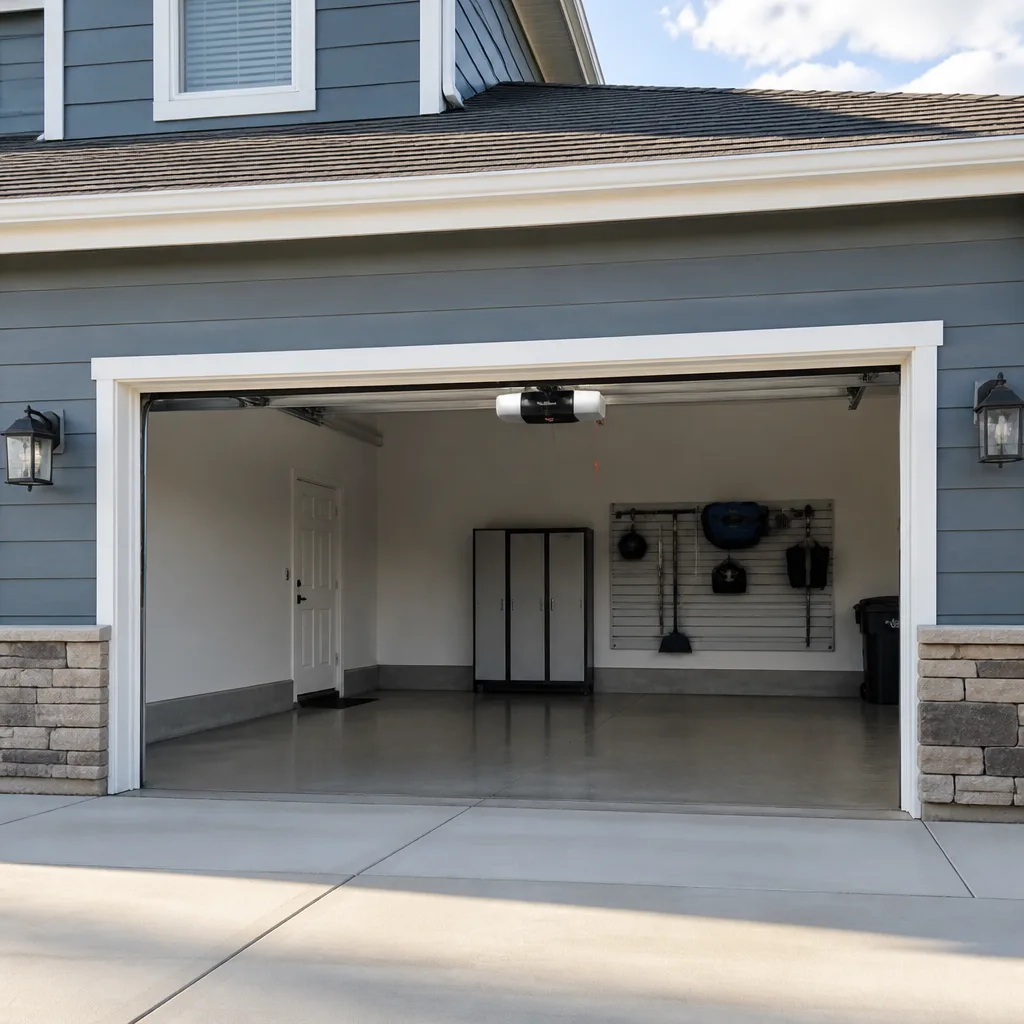 LiftMaster openers
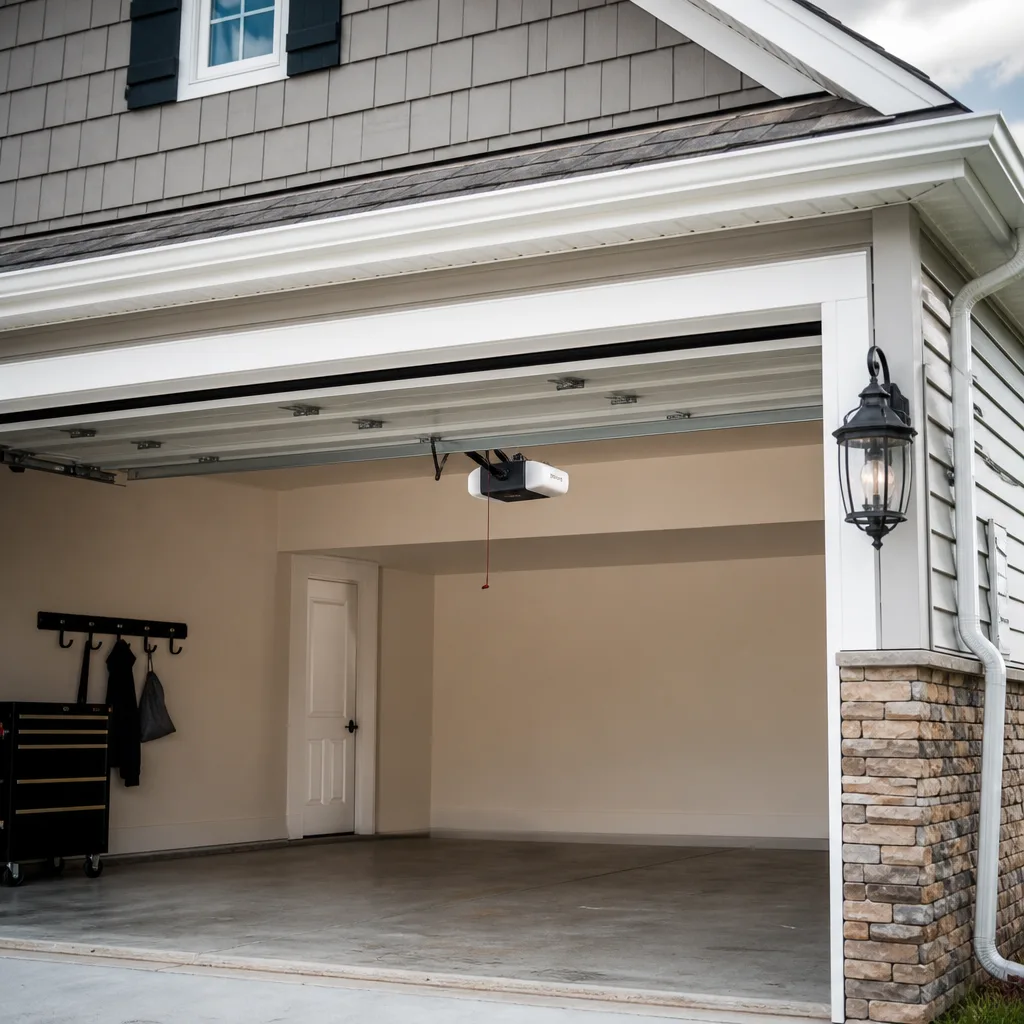 Chamberlain openers
Full 25-point door and opener safety check with every visit - springs, cables, rollers, tracks, and your LiftMaster or Chamberlain opener included
You get a price before we start. It does not change when the truck arrives.
Get your free estimateGarage Door Warning Signs: A Miami Beach Homeowner’s Reference Guide
Most garage door failures announce themselves weeks or months before they happen. The average homeowner doesn’t hear it. A garage door that will snap a spring in August starts making a distinct popping sound in March. A cable that will shred in September shows visible fraying in June. In Miami Beach, the ocean air compresses this timeline and adds a variable most national guides never mention: salt. By the time a door fails, the evidence has usually been visible for an entire season. This guide walks through what to look for, what it means, and when a Miami Beach garage door goes from “keep an eye on it” to “stop using it.” For how to hire a garage door contractor in Miami Beach: a step-by-step guide, see our dedicated resource.
Styles & brands we work with
Quick Answer
The most important garage door warning signs for Miami Beach homeowners are rust bloom on springs and cables, grinding or popping sounds during operation, a door that hesitates or reverses mid-cycle, visible cable fraying, and panels that flex under wind pressure. In a coastal salt-air environment, surface rust on hardware is never “just cosmetic” because it progresses into structural weakening faster than it does inland. If you see rust on any load-bearing component or hear a popping sound from the spring, stop using the door and call a professional.
Table of Contents
- Salt-Air Corrosion: What Every Miami Beach Homeowner Needs to Know
- Sound Diagnostics: Decoding Grinding, Popping, and Squealing
- Torsion and Extension Springs: The Four Warning Stages
- Cable Warning Signs: What Fraying Looks Like Before Failure
- Panel Damage: Structural vs. Cosmetic
- Opener Behavior: Slow Response, Reversals, and Mid-Travel Stops
- The Miami Beach Urgency Scale: Schedule vs. Stop
- Common Mistakes to Avoid
- When to Call a Professional
- Frequently Asked Questions
- The Bottom Line
We work on garage doors throughout Miami Beach, from South of Fifth up through North Beach and over to the Venetian Islands. The warning signs described here are the exact ones we see before most repair calls. For a deeper look at how we handle the repairs these signs point to, see our Garage Door Repair in Miami Beach page. If the issue involves your opener rather than the door itself, our Garage Door Opener Repair in Miami Beach page covers that side of things. And when a replacement turns out to be the right call, Garage Door Installation in Miami Beach walks through what that involves.
Salt-Air Corrosion: What Every Miami Beach Homeowner Needs to Know
Salt air is the single most underrated factor in Miami Beach garage door wear. Every building within a mile or so of the ocean gets a daily coating of salt-laden humidity. It settles into the powdery coating on torsion springs, works into the strands of cables, and accelerates oxidation on tracks and hinges. A garage door in inland Miami may show surface rust only after a decade. That same door two blocks from the beach in Mid-Beach or North Shore can show the same rust in three to four years.
Here is what salt-air corrosion actually looks like at each stage:
- Stage 1: Orange dusting on springs. Torsion springs get a fine orange-brown coating where the galvanized layer has begun to break down. This stage is cosmetic. The spring still carries load safely.
- Stage 2: Pitting on spring coils. The orange dusting becomes rough to the touch. Small divots form in the metal. At this stage the spring is weakening but will typically still hold. This is the last stage where corrosion can realistically be halted with lubrication and cleaning, and even then, replacement is often the smarter call.
- Stage 3: Flaking and scale on springs, tracks, and hinges. The metal surface visibly flakes. You can scrape rust off with a fingernail. Springs at this stage have lost a measurable percentage of their rated strength. Hinges bind. Rollers may no longer roll freely through radius sections of track.
- Stage 4: Cracking or thinning. A corroded spring or hinge develops visible cracks or visibly thinner sections. At this stage the component is in active failure. A spring showing cracks can snap without the usual warning sounds because the metal has degraded underneath the surface coating.
Stage 1 and early Stage 2 can often be addressed by cleaning and lubricating hardware, though the decision depends on the door’s age and spring cycle rating. Stage 3 and Stage 4 are replacement situations. The key point for Miami Beach homeowners: the gap between Stage 1 and Stage 4 is shorter here than inland because the salt never stops working. A door that looked fine last hurricane season may not be fine this one.
Garage doors are all we do, so this corrosion progression is something we evaluate on nearly every service call in Miami Beach. It’s also why we recommend checking your hardware at least twice a year in this climate, ideally in early spring and again before hurricane season peaks in August and September. Our seasonal garage door care for Miami Beach: year-round homeowner’s guide has a full schedule.
Sound Diagnostics: Decoding Grinding, Popping, and Squealing
Your garage door talks. Most homeowners tune it out. Here is what each sound is actually telling you, with Miami Beach humidity factored into what can make these sounds appear earlier than they would elsewhere.
Popping
A popping sound, especially when the door passes through the curved part of the track, almost always means a torsion spring is binding and releasing. This is the single most important sound to take seriously. Popping precedes spring failure in a large percentage of cases. The spring coils are sticking, then snapping free as the load shifts, and each pop is a micro-fracture event inside the coil. In Miami Beach, we see this accelerate because salt corrosion roughens the spring surface, making coils stick to each other that much more.
Grinding
Grinding during door travel usually points at rollers. Rollers with worn or seized bearings stop rolling and start dragging along the track. The sound is rough, like gravel being crushed. Humidity swells the nylon on nylon rollers and works its way into metal bearing rollers, accelerating the wear. A door that grinds is not about to fail catastrophically, but every cycle is wearing both the rollers and the track it drags across. Left long enough, a dragging roller can flat-spot the track and turn a simple roller swap into a track replacement.
Squealing
A high-pitched squeal is most often dry hinge metal rubbing against itself, or a dry roller spindle. This is the least alarming sound on the list, but in Miami Beach’s humidity, it is worth addressing sooner rather than later. Squealing means friction, and friction on humid, salt-dusted hardware generates more heat and accelerates wear more than the same squeal would in a dry climate. A silicone-based lubricant on hinges and roller spindles usually resolves it. The one place not to lubricate is the torsion spring surface itself; use a spring-specific lubricant and keep it light, or leave that to us.
The sound we don’t want you to chase
One more note: if you hear a sound you can’t locate, don’t stand under the open door trying to find it. A failing spring under the salt stress of Miami Beach can snap with enough force to injure anyone nearby. Close the door, note when the sound occurs (opening, closing, at the halfway point, first cycle of the day), and call for a diagnosis. We work on the brand you already have, so bring us the description even if you don’t know the model.
Torsion and Extension Springs: The Four Warning Stages
Most residential garage doors in Miami Beach use either a torsion system (springs mounted on a bar above the door opening) or an extension system (springs stretched along the horizontal tracks on each side). Both types fail. They fail in slightly different ways and make slightly different sounds before they go.
Torsion springs are rated for a cycle count, usually 10,000, 15,000, or 20,000 cycles. A cycle is one full open-and-close. In a typical Miami Beach household that uses the garage as a primary entry point, that’s 4 to 6 cycles a day, which translates to 10,000 cycles in about 5 to 7 years. Here are the four stages of spring failure, starting with the earliest visible clue:
- Gap between coils. Healthy torsion spring coils sit tight against each other. The first stage of wear shows as small gaps between individual coils, usually near the center of the spring. You can see this without touching anything.
- Rust bloom. As detailed above, orange dusting on the spring’s surface. In Miami Beach, combined with coil gaps, this is a signal the spring is entering its final third of life.
- Popping sound during operation. The spring surface has roughened enough that coils catch and release. This is the stage most people first call about. We consider it a warning sign that the spring is nearing failure, not a reason to keep using the door and “see what happens.”
- Visibly stretched or deformed coil section. One section of the spring looks slightly wider or thinner than the rest, or you can see one coil that is no longer parallel with its neighbors. At this point the spring is no longer safely load-rated and should be replaced before the next use.
Extension springs show the same rust progression, but instead of coil gaps, watch for a spring that no longer returns fully to its resting shape when the door is closed. A stretched extension spring has lost tension. It can still move the door, but it’s compensating, which places extra load on the cables and the opener.
One safety note that matters here: torsion and extension springs are under extreme tension. A spring under load can cause serious injury or death if handled incorrectly. This is not a DIY replacement job. The right fix the first time means having someone on site who knows exactly how to release and re-tension these systems safely.
Cable Warning Signs: What Fraying Looks Like Before Failure
Cables are the most visually checkable component on your door, and also the one most often ignored. On a torsion system, cables run from a drum at each end of the spring bar down to a bracket near the bottom of the door. On an extension system, they run alongside the springs and connect to the door through pulleys.
Here is what cable failure looks like in sequence:
- Fuzz. Individual wire strands begin to separate from the main cable body. You’ll see small fuzzy spots, usually where the cable passes over a pulley or through a drum. This is the earliest warning sign, and replacement at this stage is a ten-minute job.
- Barbs. Broken strands poke outward from the cable. If you run a gloved hand lightly along a cable while the door is closed and feel anything sharp, strands have already started to break.
- Birdcaging. A section of cable swells outward like a small cage where multiple strands have failed in the same area. On any door, this means replace the cable immediately. In Miami Beach, salt has usually contributed, because surface corrosion between strands accelerates exactly this kind of failure pattern.
- Shiny spot. A cable section that looks shinier than the rest is being polished by rubbing against something it shouldn’t touch: a misaligned pulley, a track bracket, or the door edge itself. The rubbing is generating heat and micro-cuts into the cable surface.
A cable that fails under load drops the entire weight of the door onto whatever is still holding. On a torsion system, that can be the other cable alone. On an extension system, if the safety cable is missing or badly corroded, a snapped spring can launch broken components. In either case, the right response is the same: stop using the door and have the cables inspected. Cable replacement is one of the most common repairs we perform across Miami Beach, and it’s almost always preventable when the fuzz stage is caught early.
Panel Damage: Structural vs. Cosmetic
Not all panel damage is created equal, and in Miami Beach, the difference matters more than most places.
A cosmetic dent is shallow, affects only the outer steel or aluminum skin of a single panel, and does not change how the door moves or how it holds its shape under pressure. You can push on the dented area and the panel doesn’t flex more than the surrounding material. Cosmetic dents are preference items. Fix them if the look bothers you, or leave them. They don’t affect safety.
A structural panel problem is different. These are the signs:
- Flex under wind pressure. Stand inside the garage on a breezy day and watch the door. If a panel visibly flexes with gusts, the panel’s internal reinforcement has compromised. This is the single most important wind-load warning sign for Miami Beach homes. Hurricane code requires garage doors in Miami-Dade County to meet specific wind-load ratings. A panel that flexes is no longer meeting that rating, regardless of what the door was originally rated for.
- Separation at the panel seams. The horizontal joint between two panels opens up slightly, or you can see daylight through it from inside. This means the hinge line is failing, not just the panel skin.
- Buckling around the strut line. A visible crease or buckle running horizontally or vertically across the back of the panel, especially near where a strut attaches. This is structural fatigue.
- Corrosion at the panel edges. On steel doors in Miami Beach, the bottom edge of the bottom panel is the early corrosion point. Salt spray from the driveway surface wicks up under the weather seal and sits against bare edge steel. Once the edge is soft enough to flake, water is getting into the panel core.
Here’s the practical distinction: a cosmetic dent can wait. A panel flexing under wind load cannot. In hurricane season, a failed garage door panel is the most common breach point for wind intrusion into a home, and once the garage door fails, the pressure differential can lift the roof. That’s not dramatic phrasing; it’s building science. If your door flexes in a Miami Beach summer storm, have it evaluated before the season peaks.
Opener Behavior: Slow Response, Reversals, and Mid-Travel Stops
Opener problems can be electrical, mechanical, or sensor-related. What matters for a homeowner is noticing the pattern. Here are the three opener behaviors we hear about most in Miami Beach, and what each one typically means.
Slow response
A door that hesitates for a second or two after you press the remote or wall button, then moves at normal speed, usually points to one of three things: a weakening remote battery, a logic board that’s beginning to fail, or a door that has become noticeably heavier due to rusted hardware or weakening springs, so the opener motor is straining more than it was designed to. The third cause is the one we see most often on older doors in coastal areas. The opener isn’t failing; it’s being asked to do more than it should.
Reversed directions
An opener that starts closing, then immediately reverses and opens again, is usually telling you the safety sensors do not have a clear line of sight. Check for nothing blocking the beam, wipe the sensor lenses with a dry cloth, and watch for direct morning or evening sunlight hitting one sensor, which can blind it. If the reversal happens only at a certain time of day, sunlight is almost certainly the cause. Miami Beach garages that face east or west get exactly this issue more often than homeowners expect.
Mid-travel stops
A door that stops partway through travel, then works normally after you press the button again, is telling you something different. On openers with logic boards and force detection like most LiftMaster, Chamberlain, Genie, and Craftsman units we service, a mid-travel stop is usually the opener sensing excessive force and shutting down to protect the system. In our experience, the underlying cause is almost always door-side, not opener-side: a rusted hinge, a dying roller, or a spring that’s lost tension. The opener is doing its job and telling you the door needs attention. Replacing the opener won’t fix it. Fixing the door will.
For a full breakdown of how we diagnose and repair opener issues like these, see our Garage Door Opener Repair in Miami Beach page.
The Miami Beach Urgency Scale: Schedule vs. Stop
Here is the practical triage system we tell every Miami Beach homeowner to keep in the back of their mind. It divides warning signs into three levels.
Level 1: Schedule this week
- Rust bloom on springs that is still Stage 1 or early Stage 2
- Squealing hinges or rollers
- Early cable fuzz with no broken strands
- Cosmetic panel dents
- Opener that hesitates for less than a second
These are not emergencies. They will become worse in Miami Beach’s salt air, but you have time to get them addressed on a normal schedule.
Level 2: Schedule within 48 hours
- Popping sounds from the spring during operation
- Grinding from rollers that has begun in the last month
- Cable barbs or visible broken strands
- A door that stops mid-travel more than once a week
- Rust that has advanced to flaking on hinges or bracket points
These are active degradation warnings. The component in question is losing integrity and will fail. You have a short window.
Level 3: Do not use the door
- Spring showing visible cracks, gaps, or deformation
- Cable birdcaging
- Panel flexing under wind load
- A door that has already partially dropped or caught during travel
- Any sound accompanied by visible debris falling from the door or hardware
At Level 3, the door is unsafe to operate. Use the side entry door or the front door. Keep vehicles out if possible. Call a professional immediately. If the opener is on a jackshaft system, consider cutting power to the opener until a technician arrives so no accidental opener activation happens.
We handle all three levels across Miami Beach. The repair-first approach means when a door at Level 3 can be safely restored with targeted repair work, that’s the path we recommend. We don’t push a replacement when a fix will do. When replacement genuinely is the safest long-term option, we’ll walk through that plainly.
Common Mistakes to Avoid
- Writing off rust as “just surface.” In Miami Beach, surface rust on a load-bearing spring or cable is a countdown. The salt keeps working every day. Stage 1 becomes Stage 3 faster than inland intuition predicts.
- Lubricating a popping spring. Popping is not a dry-hinge sound. Lubricating the spring hides the sound for a cycle or two and does nothing to address the micro-fractures happening inside the coils. The spring still fails; it just fails quieter.
- Replacing the opener when the door is the problem. Mid-travel stops and slow starts are usually the door loading the opener beyond its limits. A new opener on a rusted, heavy door will exhibit the same symptoms within weeks.
- Ignoring cable fuzz because “it still opens fine.” Cables fail suddenly. The fuzzy stage is the only reliable warning before a sudden failure. It costs very little to replace a cable at the fuzz stage compared to what it costs after a full failure.
- Testing panel flex by pushing on it with your hand. Hand pressure won’t reliably reproduce what a 90 mph wind gust does. Judge flex by watching the panel during actual windy conditions, from inside the garage.
- Assuming a builder-grade door is fine for hurricane season because it was fine last year. Doors degrade. Salt and humidity and cycle use add up. A door that met wind-load code ten years ago may not meet it now if panels have flexed, hinges have corroded, or struts have loosened.
- Waiting for a snapping sound before calling. By the time a spring snaps, it has usually been popping for weeks. The snap is the conclusion of the process, not the beginning.
When to Call a Professional
Any Level 2 or Level 3 warning sign deserves a professional look. More specifically, call when you see or hear any of these: popping from the spring, cable barbs or birdcaging, panel flex during wind, a door that stops or reverses unexpectedly, or rust that has progressed beyond a light dusting on hardware. Springs, cables, and wind-load panels are not DIY territory. A trained eye can tell the difference between a door that needs cleaning and lubrication and one that needs components replaced. Top Notch Garage Door Repair offers free estimates in Miami Beach. Call (855) 754-6010 and describe what you’re seeing and hearing. We’ll tell you over the phone whether it sounds like a priority, and we’ll quote the diagnosis visit before anyone comes out.
Frequently Asked Questions
Twice a year is the minimum in Miami Beach. We recommend a visual inspection in early spring and a second in July before hurricane season peaks. Each inspection takes five minutes: look at springs for rust or gaps, run a gloved hand along cables for barbs, watch the door cycle once listening for new sounds, and scan panel seams for separation.
Light orange dusting on a spring means the galvanized coating is degrading, but the spring may still have cycles left. Replacing it depends on its age, cycle rating, and how deep the corrosion goes. Flaking, pitting, or cracking on the spring surface is a replacement-level finding. In Miami Beach, we lean toward earlier replacement when corrosion is visible because the environment keeps working against the spring.
Popping is most often a torsion spring binding and releasing as coils stick to each other during movement. It indicates the spring surface has degraded and the spring is nearing failure. If your door pops while moving, stop using it and have the spring inspected before it snaps.
Garage door cables are load-bearing and under high tension. Replacing one requires unwinding and rewinding the spring system’s tension, which is dangerous without proper training and tools. A frayed cable means the component is actively failing; have it replaced by a professional before strands break further.
Spring lifespan is measured in cycles, not years. A standard 10,000-cycle spring on a door used 4 to 6 times a day lasts roughly 5 to 7 years. However, Miami Beach’s salt air can shorten the working life of the spring’s coating and surface, which is why we recommend inspecting springs at least twice a year no matter the cycle count.
Yes, and the warning signs are behavioral, not audible. A door that starts slowly, stops mid-travel, or reverses directions unexpectedly is telling you something. In many cases on Miami Beach doors, the opener is signaling that the door itself has become heavier or harder to move, not that the opener motor is failing. Addressing the door-side issue usually restores normal opener performance.
For any of these warning signs, call us at (855) 754-6010. We’ll help you figure out whether it’s urgent or routine, and the estimate is free.
The Bottom Line
Garage doors fail in predictable patterns, and in Miami Beach, those patterns are accelerated and amplified by salt and humidity. Rust on a spring is never just cosmetic here. A popping sound is never just a quirk. A panel that flexes in a coastal storm is a structural warning, not something to wait on. The good news is that most failures give you weeks of notice before they happen. The door tells you. The hardware shows you. The opener signals you. Pay attention to the signs, act on them at the right urgency level, and you’ll avoid the two things every homeowner in Miami Beach wants to avoid: a snapped spring and a door that fails during hurricane season. Repair when possible, replace when necessary, and when in doubt, call someone who looks at Miami Beach garage doors every day. For more guides & resources, visit our blog.
For all three of the core services we’ve referenced throughout this guide, you can start at our Top Notch Garage Door Repair home page and follow the path most relevant to your situation.
Written by the team at Top Notch Garage Door Repair, serving Miami Beach since 2014.
See the difference
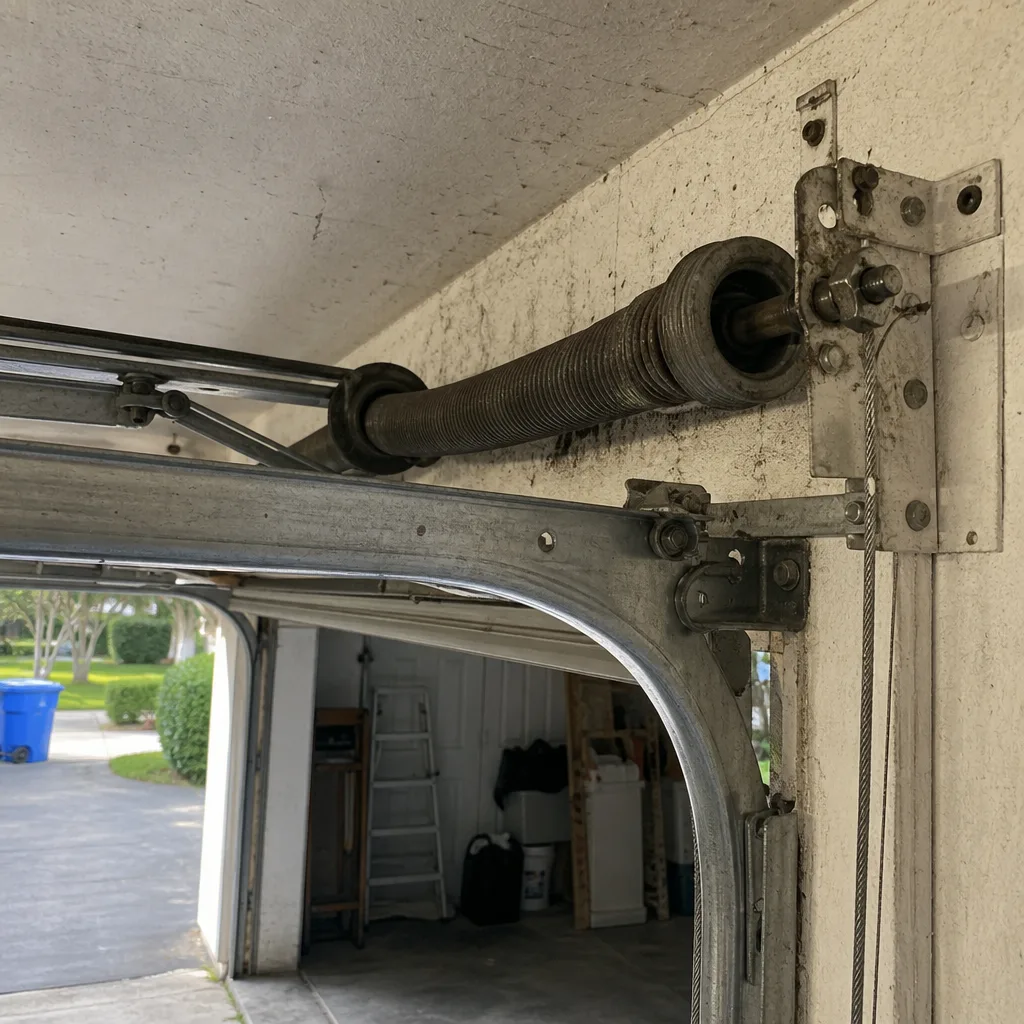 Before
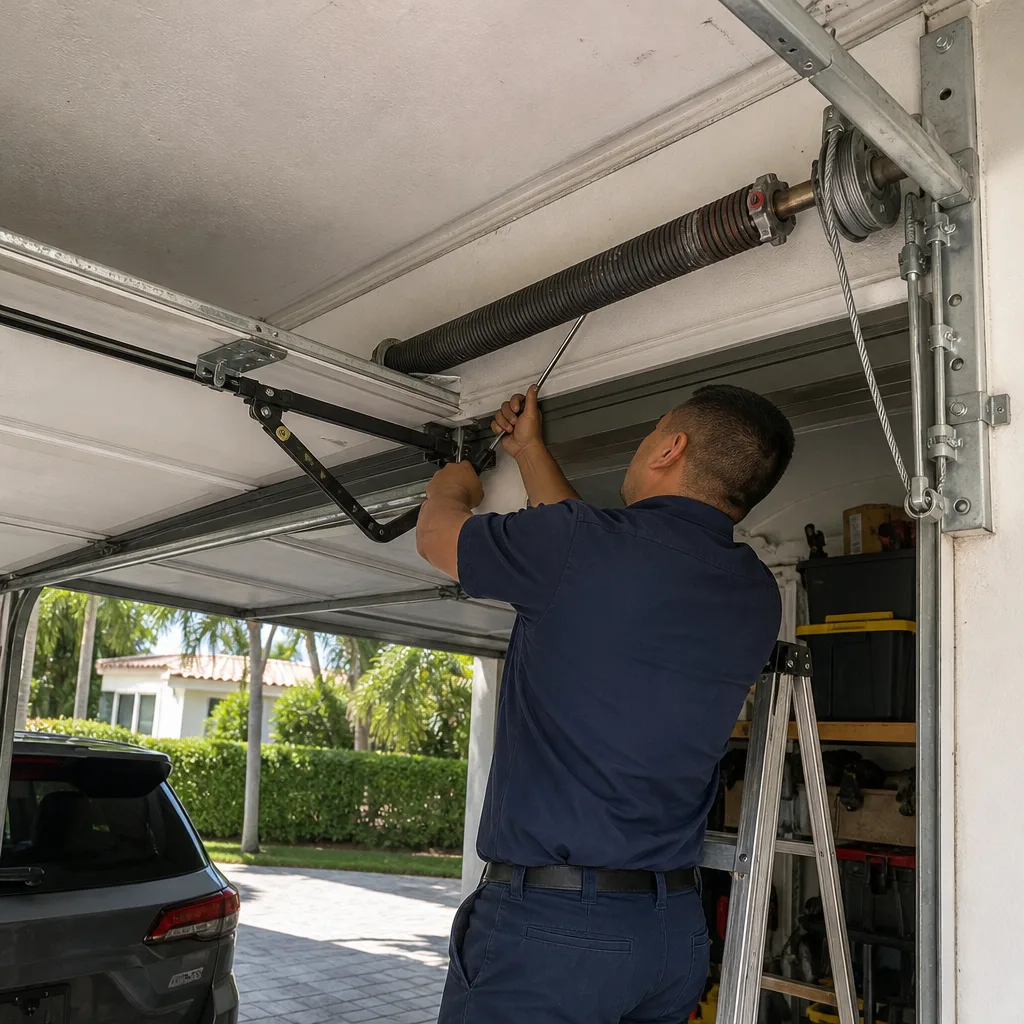 After
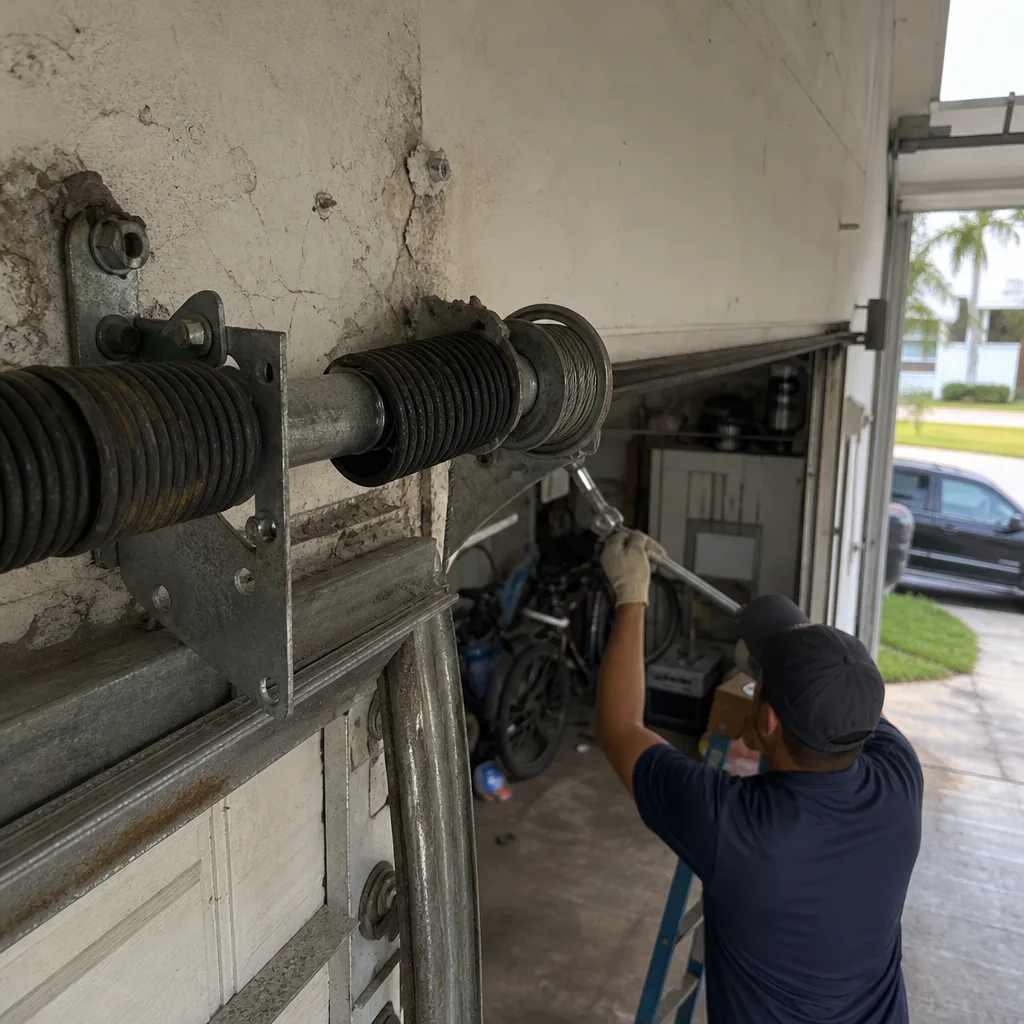 Before
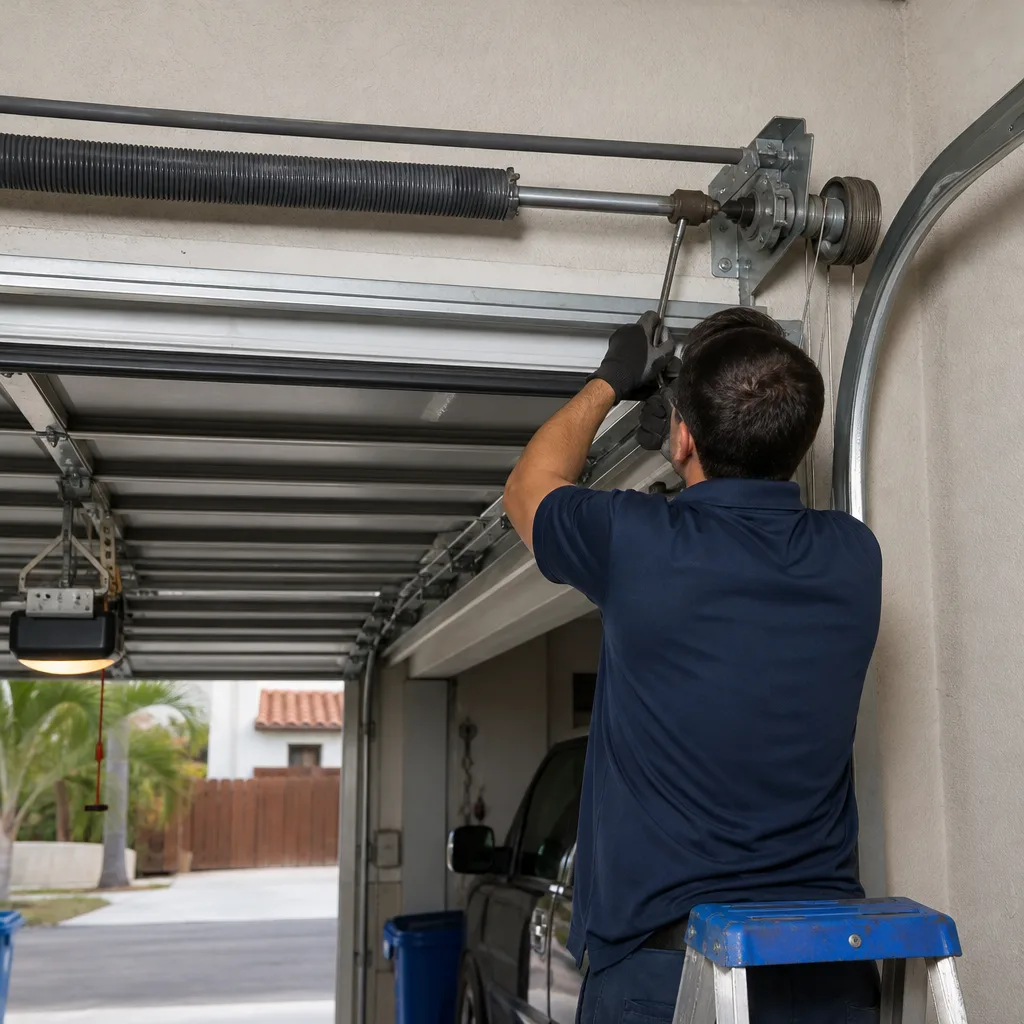 After
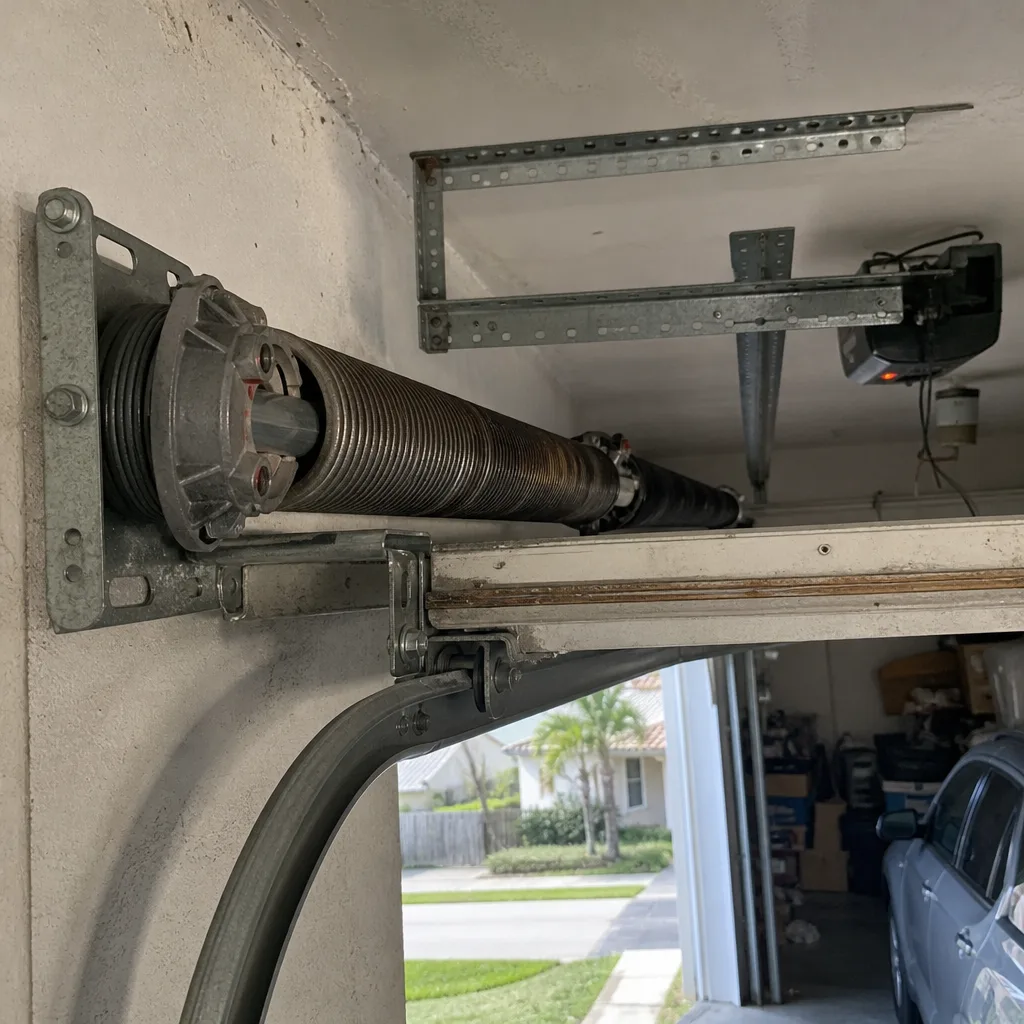 Before
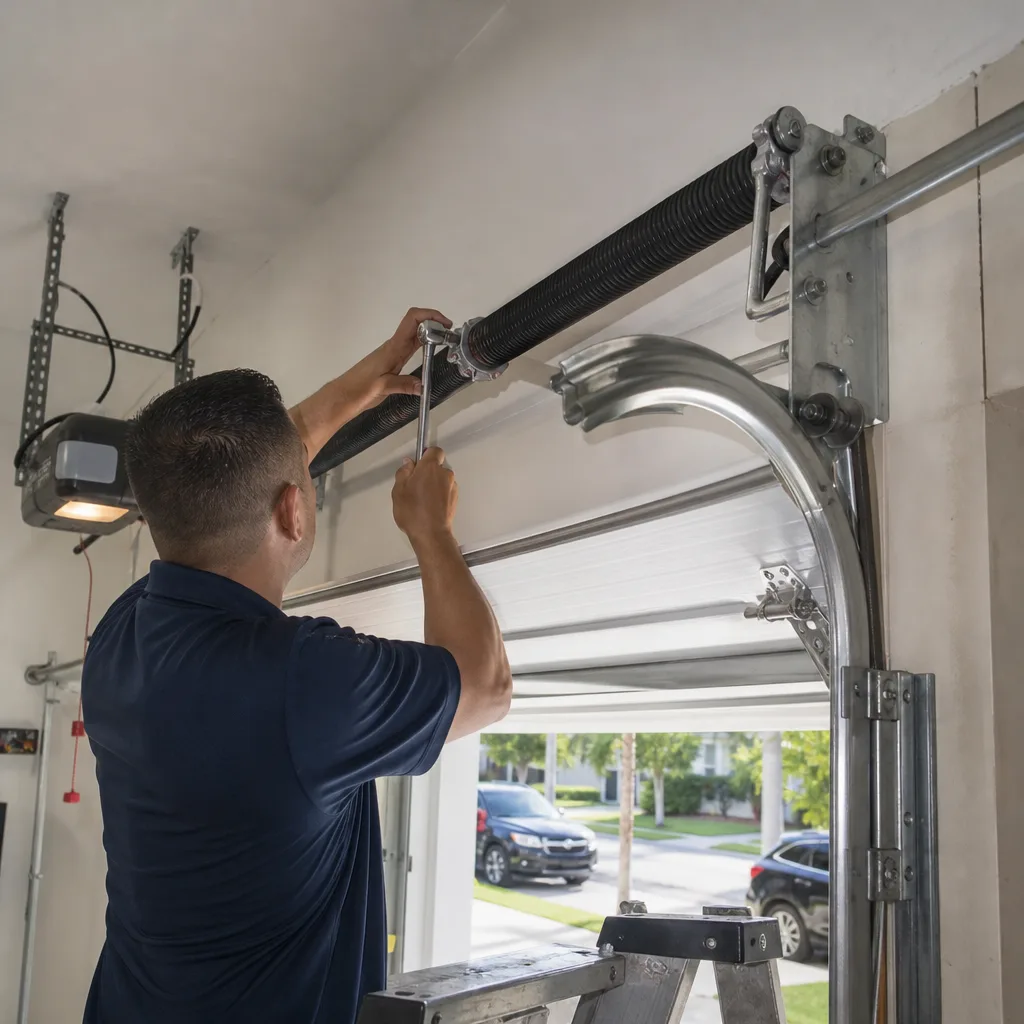 After